


Chippendale Tripod Wine Table
A chippendale tripod wine table is a sturdy timber pedestal surface designed for holding a glass or cup, valued for its carved details and tipping mechanism.
Chippendale Tripod Wine Table
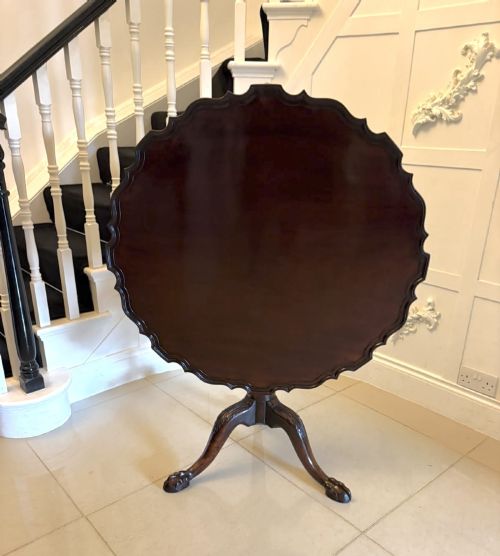
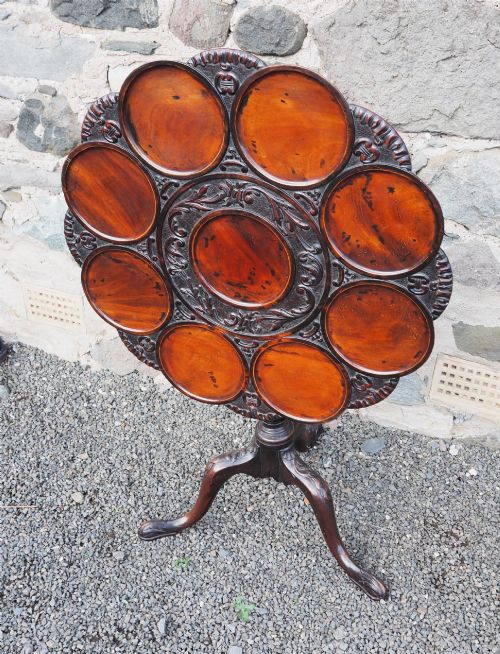
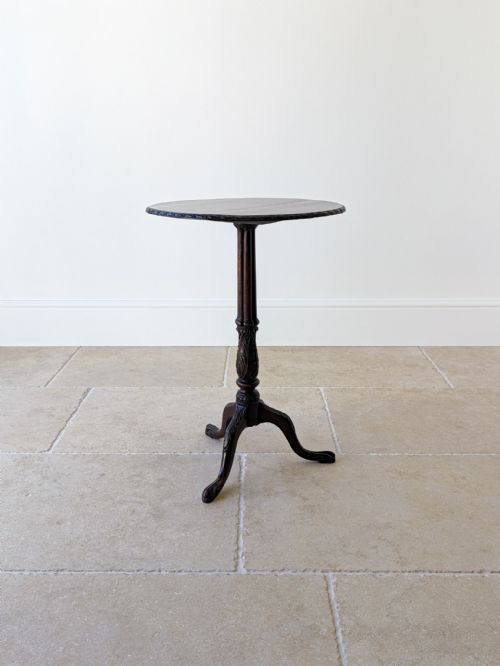
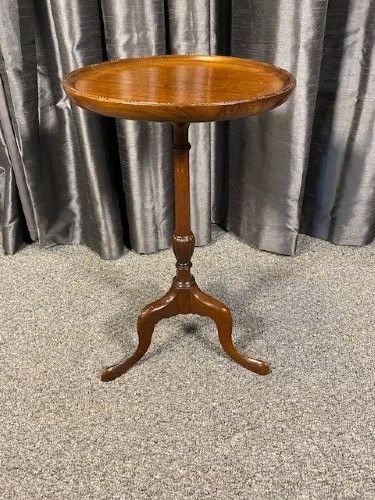
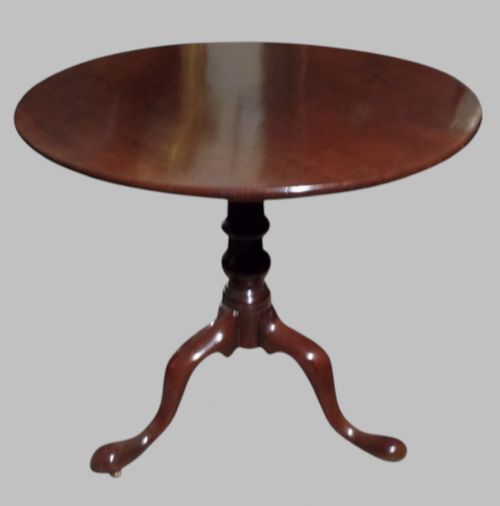
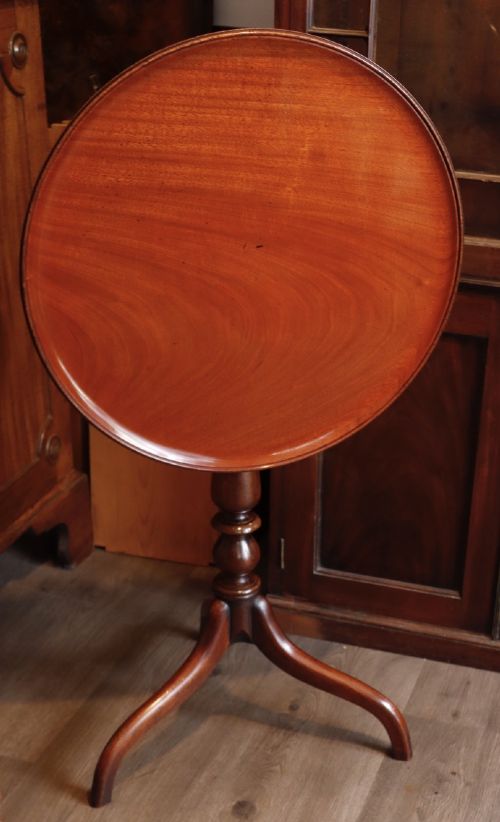
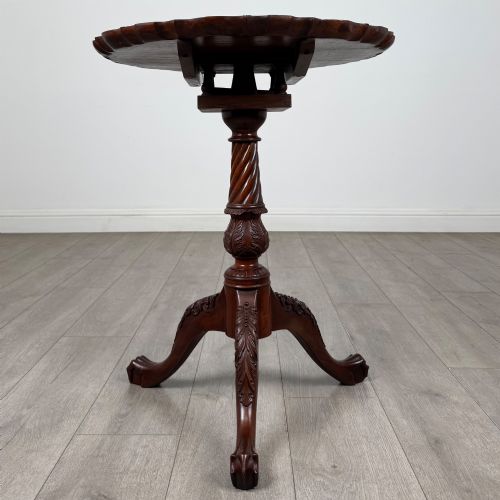
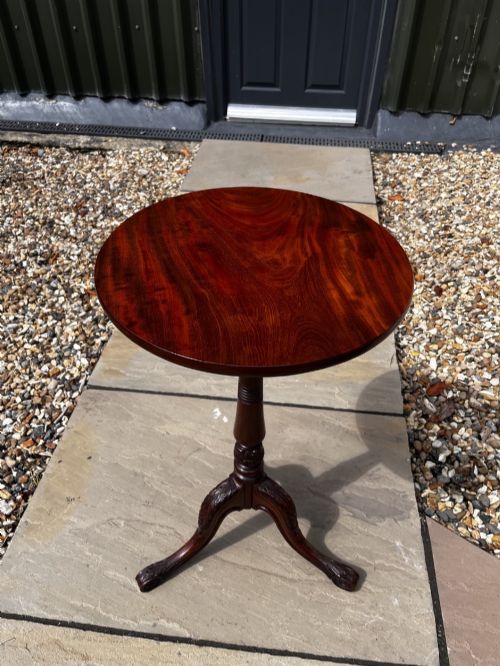
A chippendale tripod wine table is a compact pedestal stand primarily designed to hold small drinking vessels in a drawing room or parlour. The form typically stands on three splayed legs supporting a central column, with many examples featuring a tilting top for convenient storage against a wall.
The pieces on this page span several eras, originating most frequently from the eighteenth century during the Georgian and George III periods, alongside later Chippendale revival interpretations produced across the nineteenth and early twentieth centuries. While seventeenth and nineteenth century formats appear, eighteenth century examples anchor the traditional aesthetic.
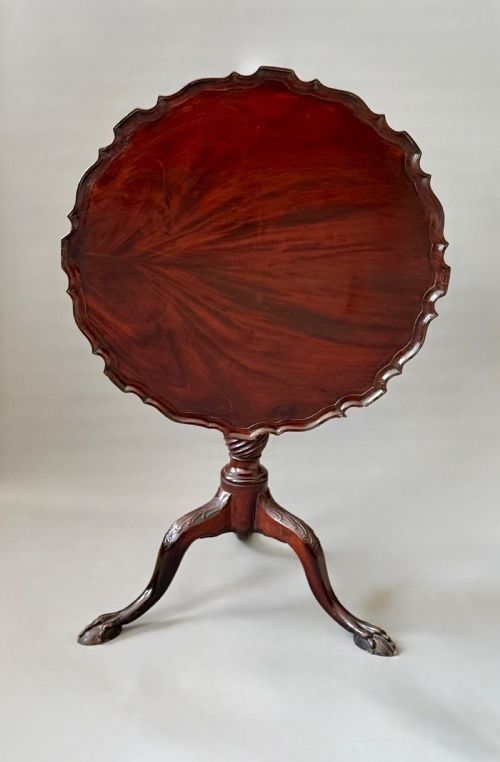
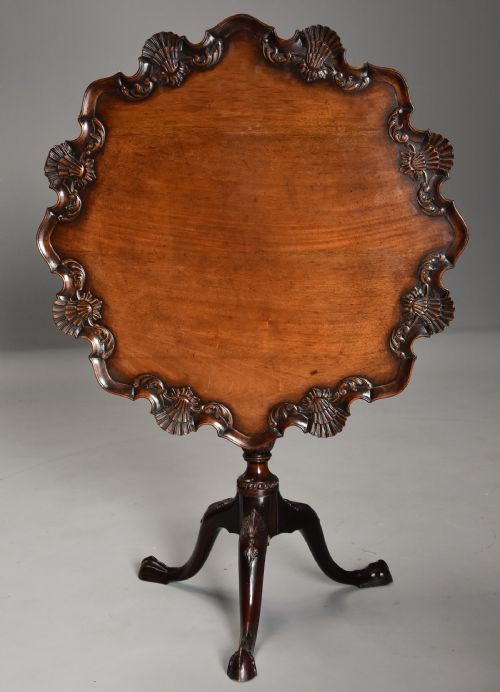
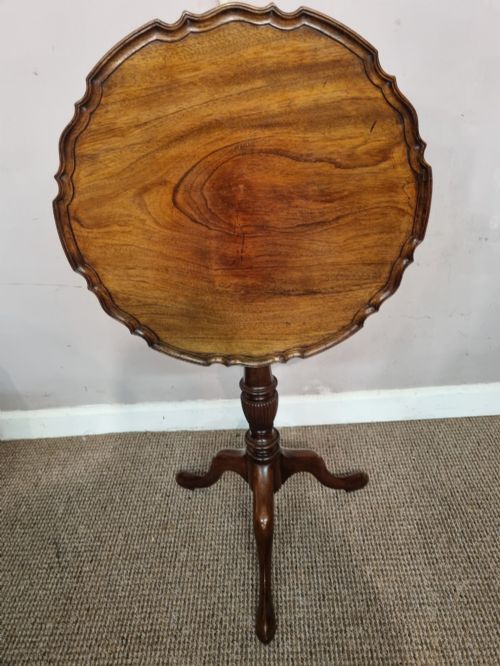
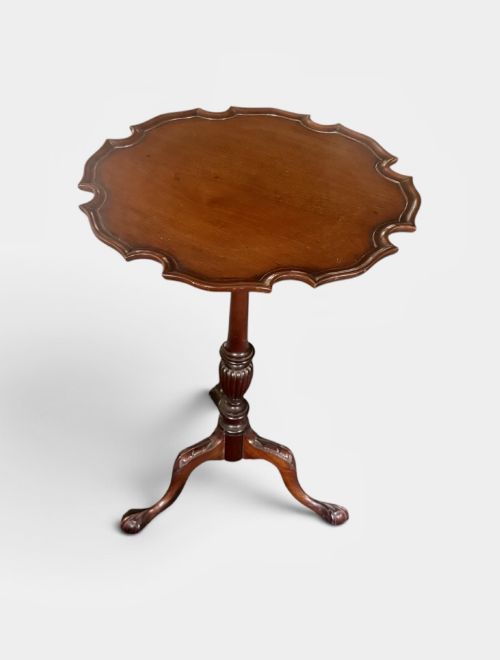
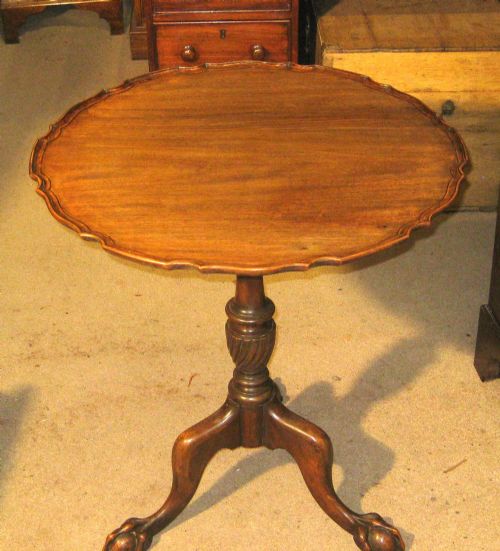
Makers utilised various timber forms, producing occasional tables, side tables, and kettlestands with circular, octagonal, or oval tops. Edges are often finished with shaped piecrust carvings or plain raised rims to prevent items from sliding off.
How they were made
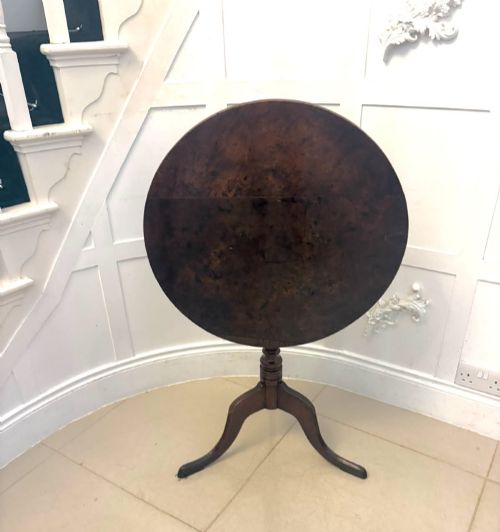
Cabinet makers built these tables primarily using mahogany, including Cuban and flame mahogany veneer, alongside burr oak, walnut, and occasional brass or iron hardware components. Timber selection dictated the weight and grain pattern of each pedestal and top.
Construction frequently incorporated a birdcage mechanism beneath the surface, allowing the circular or shaped top to rotate and tilt vertically on its tripod base. Joinery combined turned centre pillars with carved cabriole legs terminating in pad, claw and ball, or snake feet.
Materials recorded across the inventory include standard mahogany, Cuban mahogany, flame mahogany veneer, burr oak, walnut, brass, and iron.
What varies in quality
Quality rests in the crispness of the carving upon the knees of the tripod legs and the precision of the piecrust edge moulded around the tabletop. Early eighteenth century pieces often display deeper relief carving and richer surface patination than later revival items.
The integrity of the birdcage mechanism and the tight fit of the tilting pivot determine the mechanical success of the piece. Smoother rotation and firmer locking mechanisms indicate superior workshop construction.
The Chippendale Tripod Wine Table Glossary
- Tripod base
- A three-legged support structure that provides stability on uneven floorboards without rocking. The three splayed legs distribute weight evenly outward from the central pillar.
- Tilt-top
- A hinged tabletop design that enables the surface to fold vertical when not in use. This mechanism allowed tables to be tucked flat against room perimeters to save space.
- Piecrust edge
- A raised, decoratively carved perimeter moulded directly from the solid timber of the tabletop. The undulating rim resembles pastry work on a baking dish.
- Birdcage
- A timber box frame situated beneath the tabletop that houses a rotating axis and a pivot pin. This assembly permits both 360-degree rotation and vertical tilting.
- Kettlestand
- A diminutive height-specific occasional table intended to support a heavy tea urn or kettle. These diminutive surfaces often duplicate the tripod and tilt-top configuration of larger dining tables.
Chippendale Tripod Wine Table: Frequently Asked Questions
What is a birdcage mechanism?
A birdcage is a small wooden framing structure fitted underneath the tabletop that allows the surface to tilt and rotate independently.
This clever engineering allowed eighteenth century servants to store the tables flat against walls when rooms needed to be cleared for dancing or dining.
How do I spot a revival piece?
Revival tables are generally dated to the late nineteenth or early twentieth century, including Edwardian and 1920s productions, rather than the original Georgian era.
Clues lie in machine-cut timber grain, standardised brass fittings, and brighter, less mellowed patination compared to genuine eighteenth century timber surfaces.
Where were these placed originally?
These tables were positioned beside seating areas in reception rooms to hold cups of tea, wine glasses, or reading lamps.
Because they were lightweight and featured tipping tops, they moved easily from corner to fireside depending on where guests gathered.
What timber was used?
Mahogany is by far the most common wood encountered, occasionally specified as Cuban mahogany or highlighted with flame mahogany veneer.
Oak, burr oak, and walnut also appear across various periods, bringing different grain patterns and heavier structural tones to the tripod base.
What does piecrust mean?
A piecrust edge refers to the raised, undulating rim carved directly into the perimeter of a circular tabletop.
The sculptural curves served the practical purpose of keeping glassware secure while adding ornamental refinement to the silhouette.