

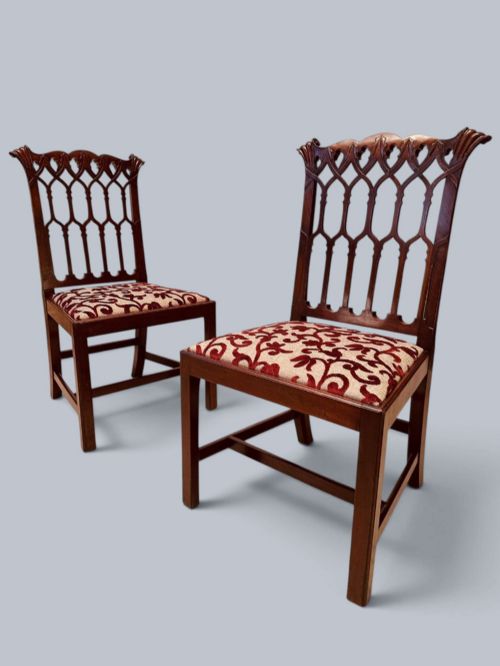
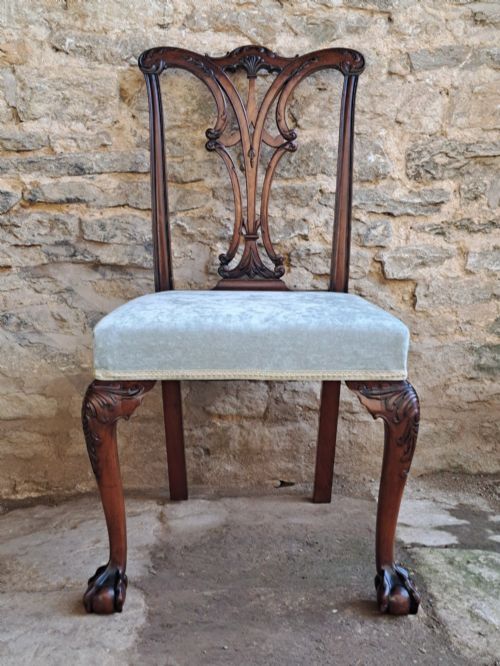
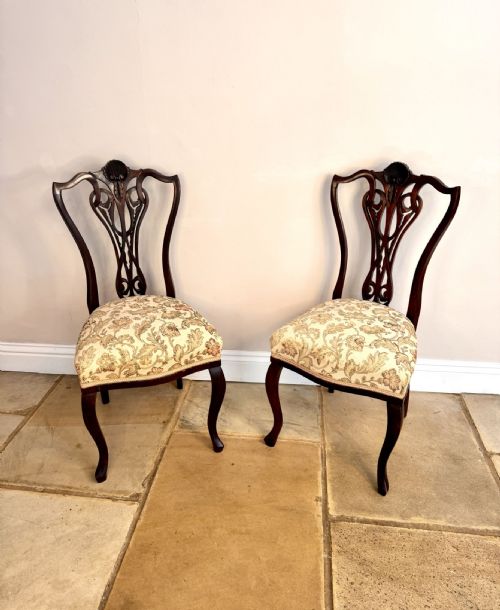
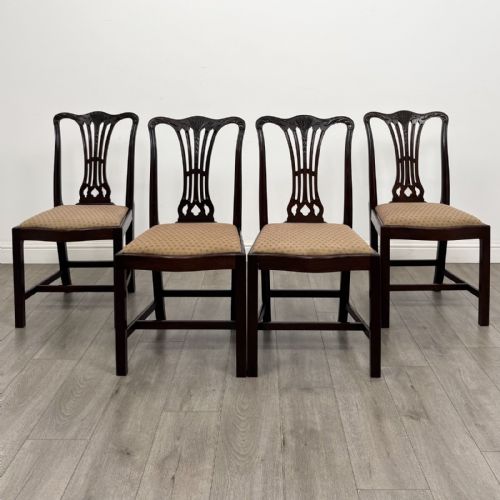
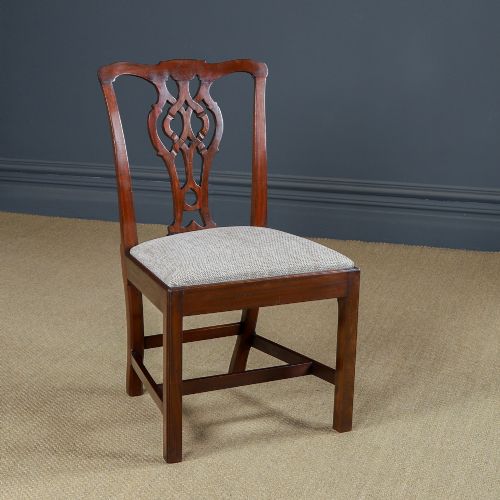
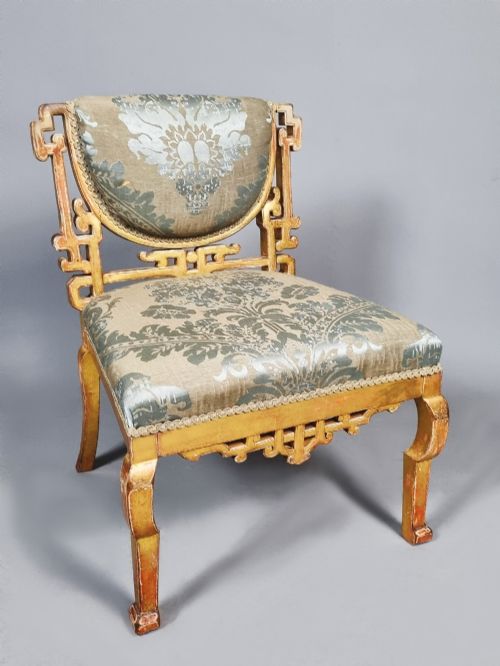
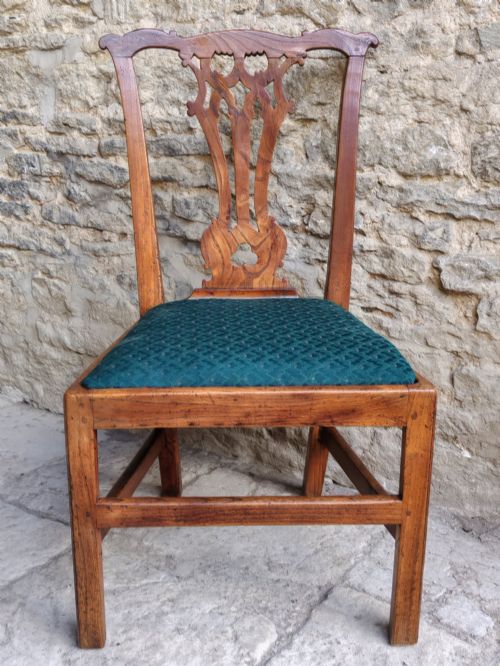
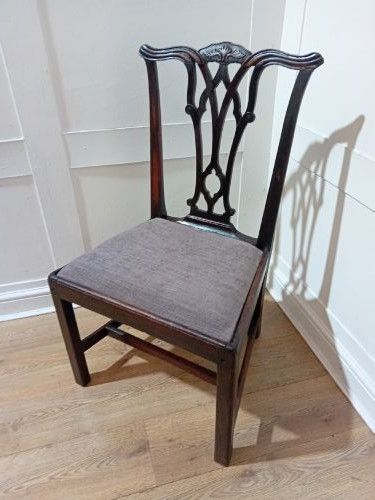
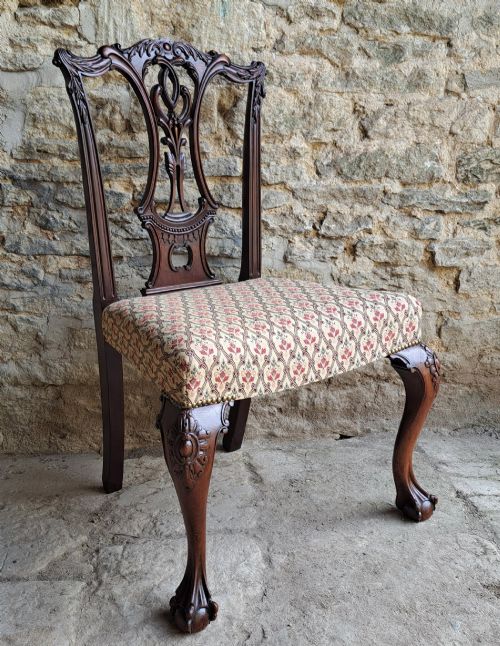
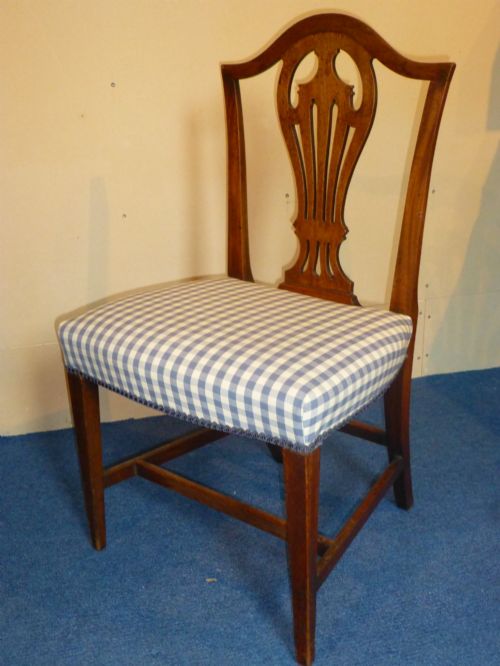
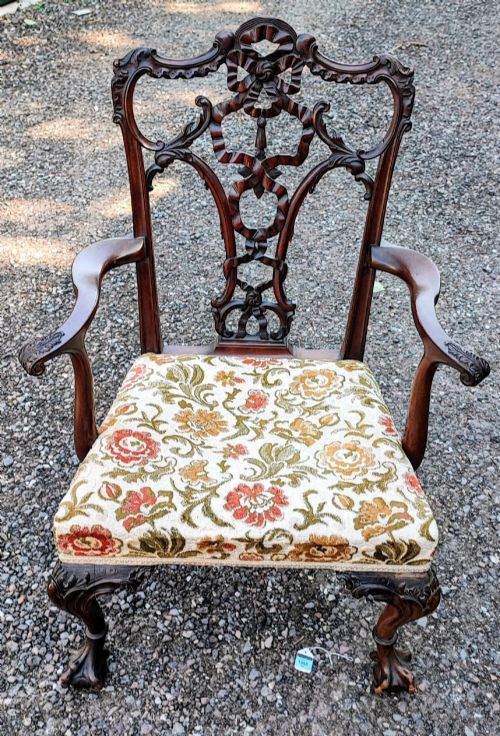
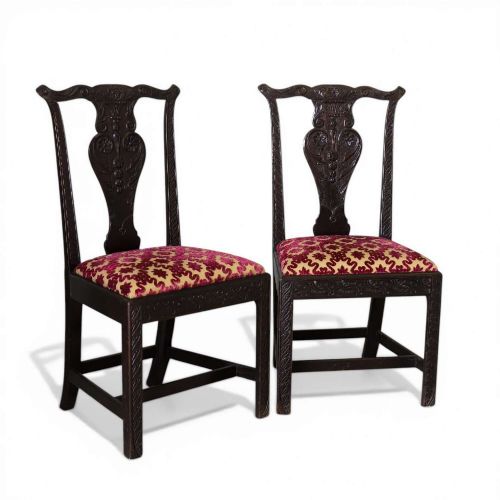
Chippendale Style Side Desk
These chippendale style side desk options combine robust eighteenth-century forms with later revival craftsmanship, offering both historic character and practical writing surfaces for study spaces.
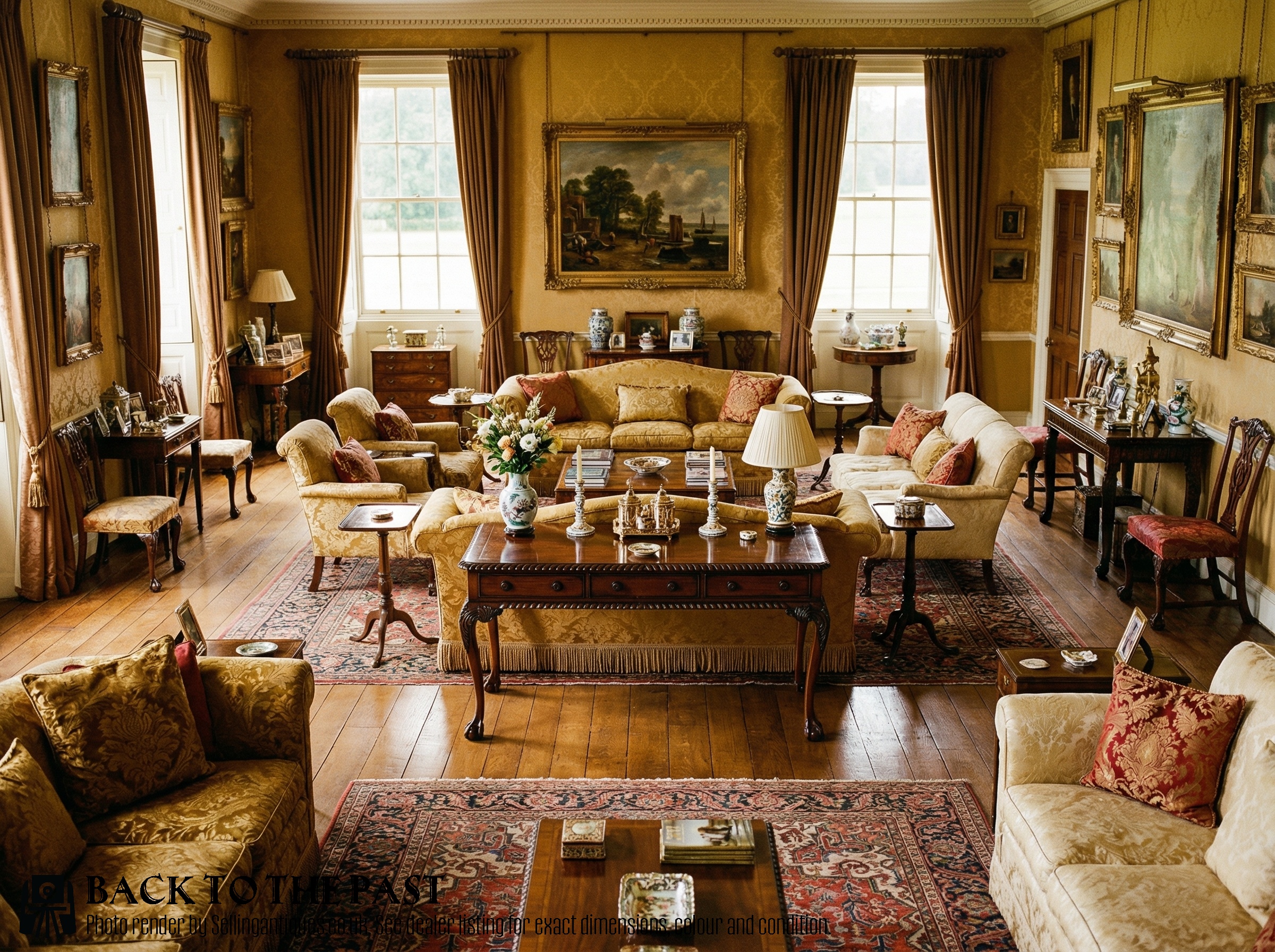
Chippendale Style Side Desk
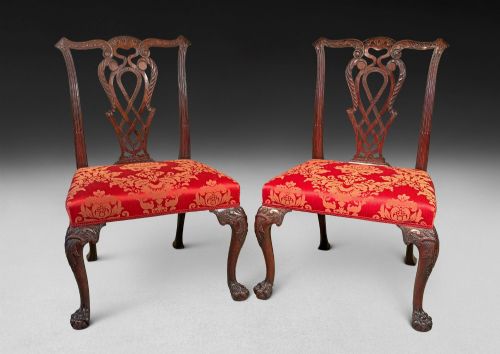
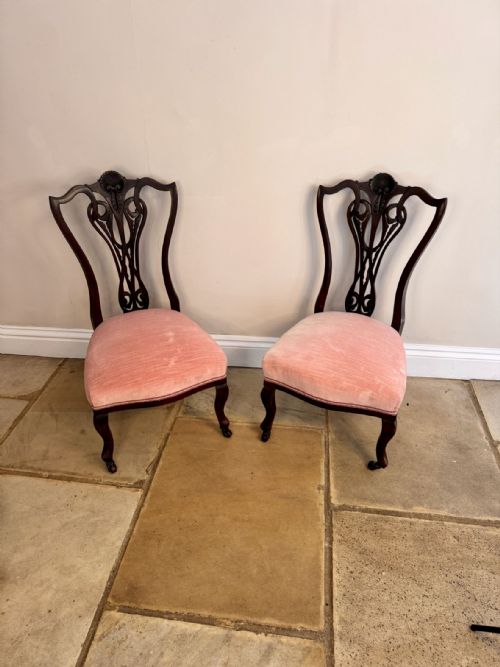
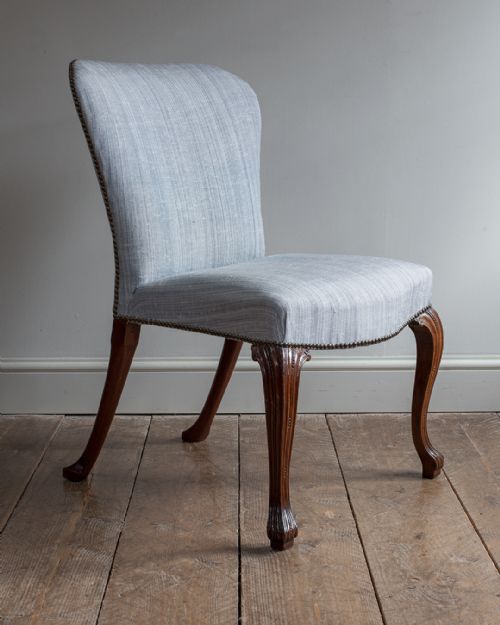
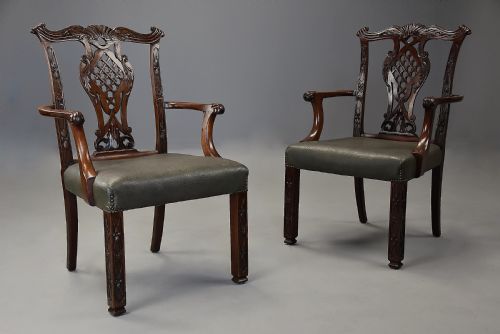
When searching for a chippendale style side desk, you encounter seating and writing surfaces originating from Georgian, nineteenth-century, and Edwardian periods. The selection frequently includes chairs suited for desk use alongside occasional tables and writing surfaces.
Makers and manufacturers produced these pieces in mahogany, walnut, and oak, often drawing on Chinese Chippendale and George III design idioms. Pieces range from formal library seating to compact side tables adaptable for writing.
How they were made
Craftsmen utilised dense hardwoods like mahogany and walnut, frequently carving intricate details directly into the timber frame. Brass hardware and inset leather surfaces appear on writing tables and partners desks.
Upholstered elements incorporate traditional textiles, velvet, and leather fixed to supporting frames. Joinery methods reflect the prevailing cabinet-making standards of Georgian and revival workshops.
Chippendale Style Side Desk Retail Price Guide 2026
Typical asking prices for chippendale style side desk among the pieces listed under this phrase on Sellingantiques today, from the lower quarter to the upper quarter. They describe what is for sale here now, not the wider market.
Listings feature mahogany, walnut, oak, and yew timbers across Georgian, Victorian, and Edwardian periods.
What varies in quality
The refinement of the timber carving distinguishes exceptional examples from standard production work. Crisp execution of motifs along chair splats and table edges indicates superior workshop output.
The choice of primary wood, such as figured mahogany or select walnut, influences the visual depth of the piece. Integrated details like leather writing inserts and original brass fittings further separate finer executions.
Waugh & Son·Wheeler Of Arncroach·Gill & Reigate
The Chippendale Style Side Desk Glossary
- Chippendale Revival
- A later period of furniture production that copied eighteenth-century designs. It gained popularity during the Victorian and Edwardian eras.
- Partners Desk
- A large double-sided writing table designed for two people to work opposite each other. These often feature drawers on both longitudinal faces.
- Lowboy
- A small colonial or Georgian side table with drawers, resembling the lower section of a highboy. They frequently served utility roles in bedrooms and halls.
- Ribbon Back
- A chair back design featuring carved wooden slats intertwined to resemble looped ribbon. This decorative technique appears on select Georgian seating.
Chippendale Style Side Desk: Frequently Asked Questions
How do I identify a revival piece?
Revival pieces often display machine-assisted finishing or timber preparation methods characteristic of nineteenth and twentieth-century workshops. Examining the secondary woods inside drawer boxes helps clarify the date.
Style markers also reveal the era of manufacture. Edwardian and Victorian revivals frequently interpret eighteenth-century proportions with slightly heavier framing.
Where were these desks placed?
These tables and desks served in libraries, studies, and private dressing rooms for correspondence and administrative tasks. Smaller side formats adapted easily to hallways and reception rooms.
Paired seating provided practical options for writing tasks near natural light sources. Their compact footprints suited multi-purpose domestic spaces.
What woods were used?
Mahogany remains the dominant timber across these listings, appearing in both solid construction and veneered surfaces. Walnut and oak also feature prominently in regional and period pieces.
Alternative materials like fruitwood and yew appear in specific country house or provincial examples. Secondary framing timbers often include oak or pine.
Are leather inserts original?
Leather writing surfaces on desks and tables are frequently replaced restorations rather than original factory installations. Tooling styles and leather texture help indicate the period of the hide.
Original surfaces show considerable wear consistent with age, while modern replacements appear clean and evenly coloured. Both types function well for daily writing use.