
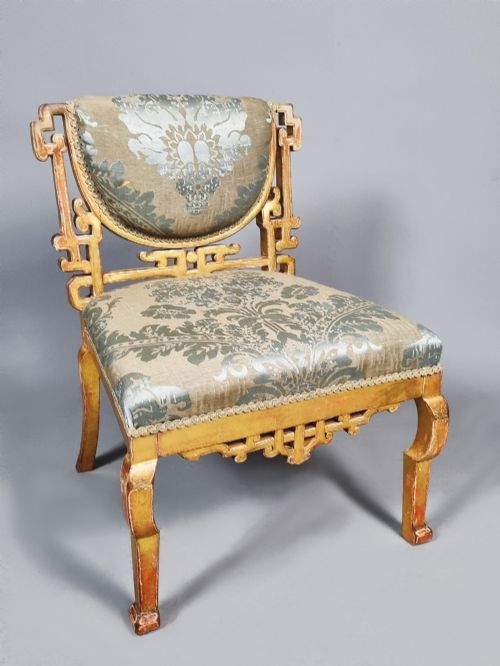
Chippendale Style Desk Chair
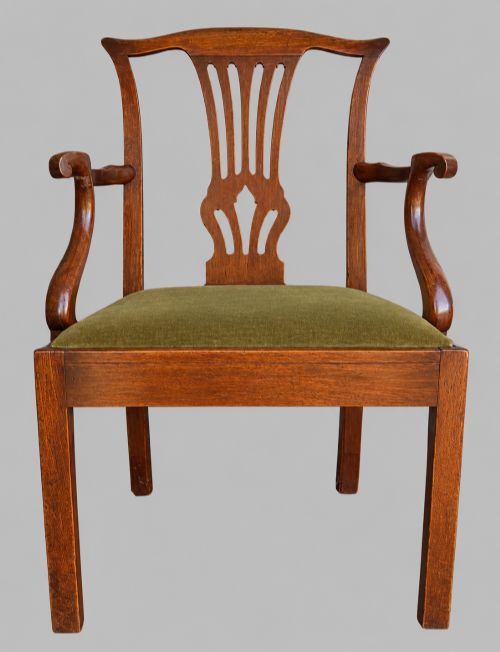
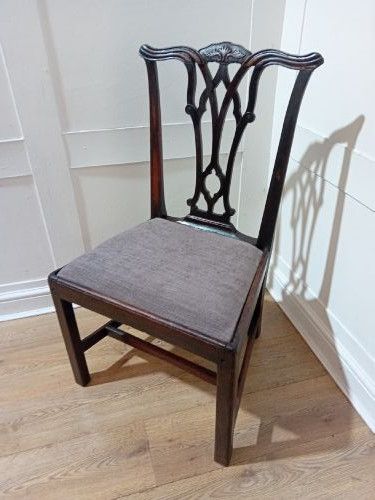
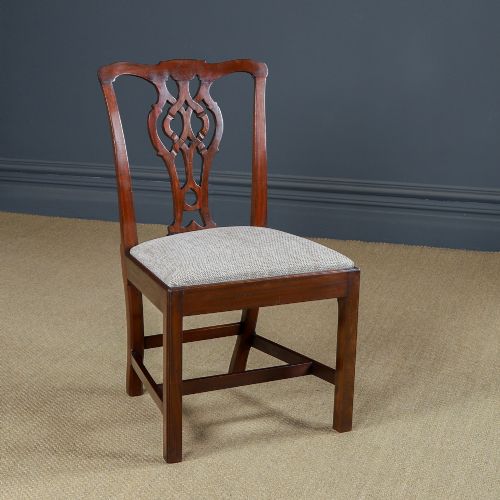
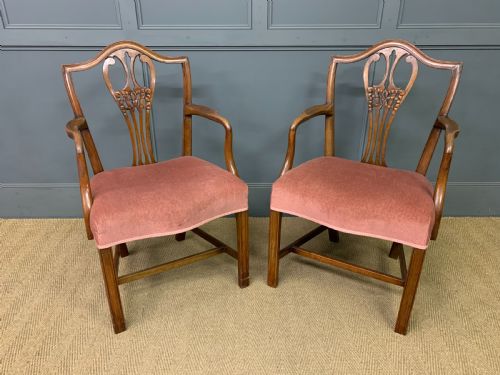
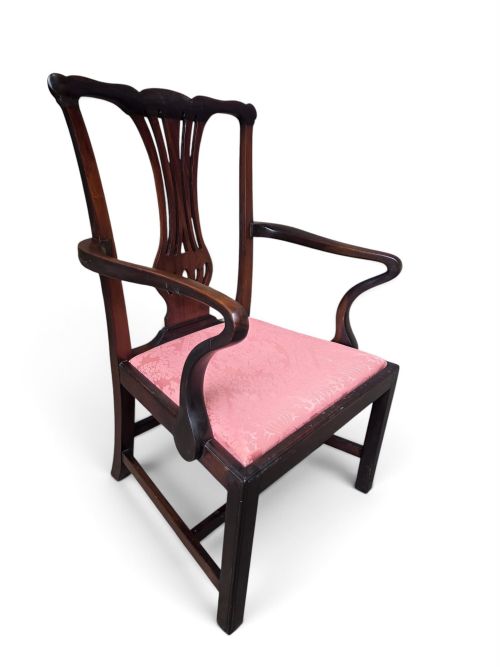
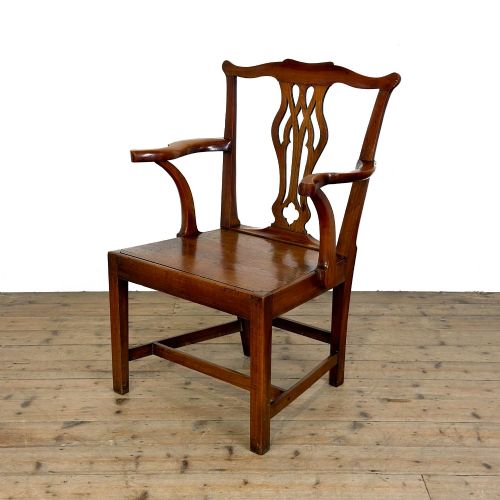
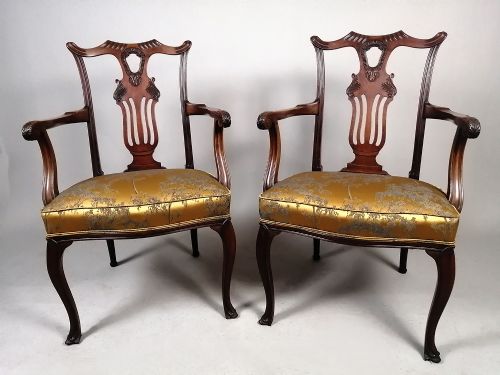
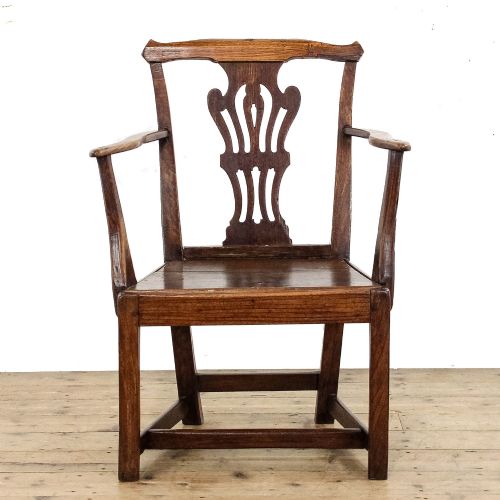
A chippendale style desk chair combines robust 18th-century proportions with carved splats and open arms, built for long hours at the bureau.
Chippendale Style Desk Chair
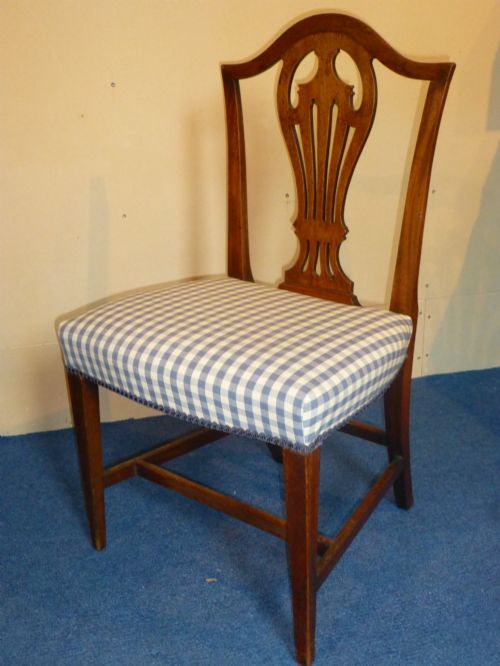
A chippendale style desk chair represents a practical convergence of classic cabinet-making forms and daily utility, appearing frequently in mahogany, fruitwood and walnut. Most examples bridge the Georgian period and later revival eras, spanning the eighteenth, nineteenth and early twentieth centuries. These seats function as robust office or library chairs, often featuring open arms, elbow rests or revolving mechanisms.
How they were made
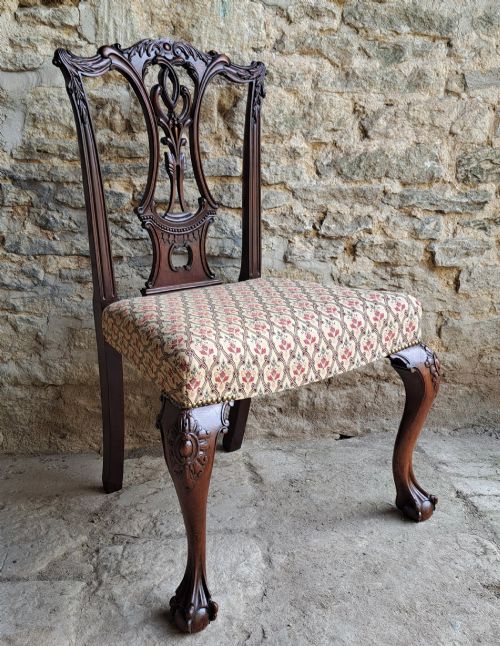
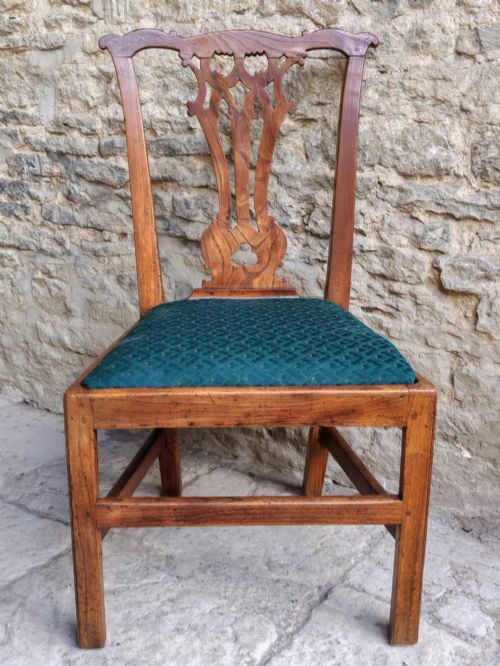
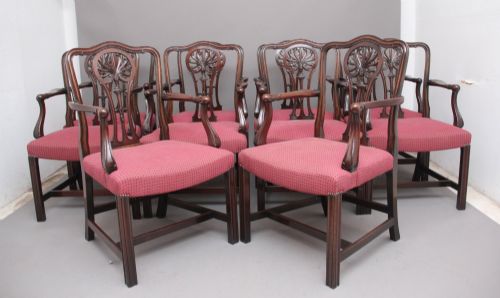
Cabinet-makers relied primarily on solid mahogany, supplemented by oak, walnut, fruitwood and elm to build the structural frames of a chippendale style desk chair. Joinery depended on traditional mortise and tenon joints, reinforced by corner blocks beneath the seat frames to withstand frequent movement. Carving was executed directly into the dense timbers, producing intricate interlaced ribbon backs, blind fretwork and foliage motifs.
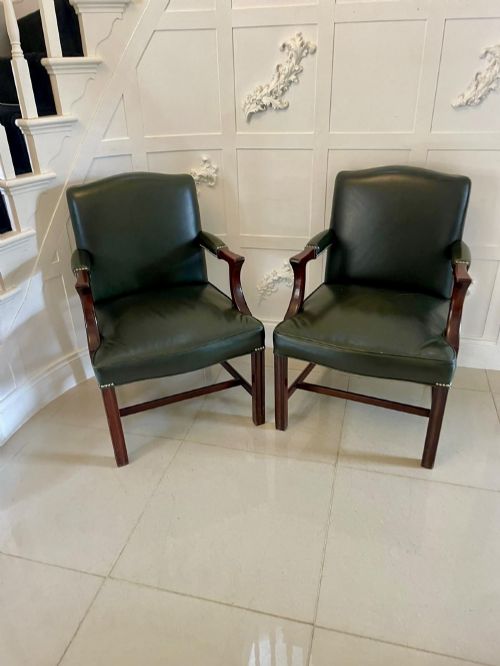
Upholstery techniques involved webbing and drop-in pad seats covered in leather, velvet, brass-studded hide or contemporary fabric. Brass nails and tacks secured the outer coverings to the wooden rails, while internal stuffing utilised horsehair and natural fibres. Giltwood accents occasionally appeared on high-status pieces, alongside hand-dyed English leathers for library and Gainsborough variants.
Listings span multiple eras from George III workshops to Edwardian revival studios, constructed predominantly in solid mahogany, oak and walnut.
What varies in quality
The distinction between ordinary and exceptional examples rests upon the crispness of the hand-carving and the density of the chosen timber. Superior specimens display deeply undercut ribbons, detailed acanthus leaves and finely moulded arm supports that retain their original sharp edges. Inferior versions often present softer, shallow carving executed in secondary woods with simpler turned elements.
Structural integrity also divides the range, distinguished by the retention of original framing blocks and untouched joinery. Pieces that maintain their heavy gauge mahogany and unaltered underpinnings command greater consideration among collectors than those with extensive timber replacement. The quality of the leather upholstery and the subtlety of the hand-dyeing further elevate the standing of library and Gainsborough variants.
Waugh and Son·Alfred Allen of Birmingham·Gill and Reigate
The Chippendale Style Desk Chair Glossary
- Carver
- An armchair, typically designed for the head of a dining table or for use at a desk, featuring integrated armrests. These chairs provide wider seats than standard side variants.
- Gainsborough armchair
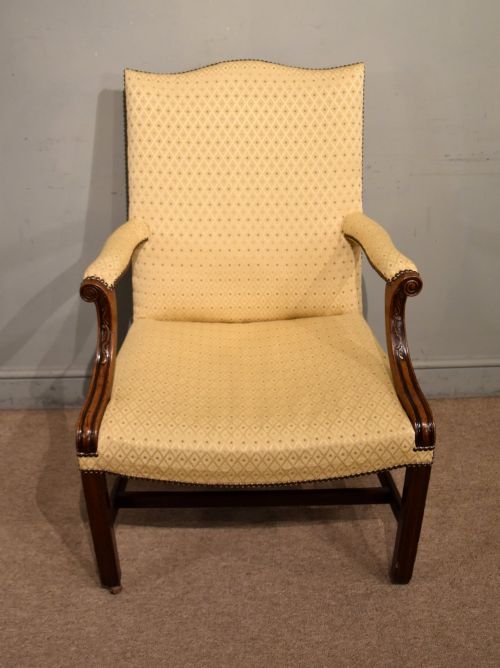
- A wide, low-backed upholstered armchair with open padded arms, standing on square or cabriole legs. This form gained popularity during the Georgian period for library and desk use.
- Blind fretwork
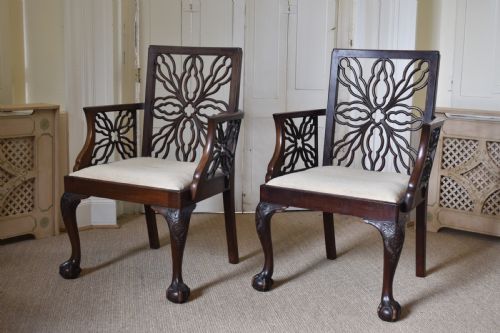
- Low-relief geometric or interlaced carved ornamentation applied to flat wooden surfaces. It mimics Chinese-inspired fret patterns without piercing the timber completely.
- Cockpen chair
- A lattice-work chair design inspired by Chinese Chippendale aesthetics, featuring a grid pattern in the back. This style emerged in British seating during the late eighteenth century.
- Ribbon back
- A chair back featuring an openwork splat carved to resemble cascading fabric ribbons and bows. This intricate joinery marks high-end eighteenth-century craftsmanship.
Chippendale Style Desk Chair: Frequently Asked Questions
Are these chairs comfortable for daily desk work?
The wider proportions and supportive open arms make these seats surprisingly practical for regular office use. Many models feature generous squabs upholstered in leather or durable fabric.
Buyers often select them for home studies because the sturdy mahogany frames and ergonomic eighteenth-century angles accommodate extended periods of sitting.
How do I distinguish an 18th-century original from a 19th-century revival?
Original pieces display period tool marks, timber shrinkage appropriate to age, and hand-cut joinery without modern steel fasteners. Examining the underside reveals the patina accumulated over generations of use.
Revival pieces from the Victorian era or later frequently utilise machine-sawn timber and standardised screws, even when the carving mimics Georgian styles closely.
What is the difference between a Gainsborough chair and a standard desk chair?
A Gainsborough chair is fully upholstered on the back and seat with distinct padded armrests, built primarily for library reading and writing desks. Standard desk chairs often feature wooden splats and open framing.
Both types share the low, broad proportions suited to positioning in front of a pedestal bureau.
Can I use a swivel mechanism on these antique chairs?
Certain late-nineteenth-century office variants were manufactured with integrated wooden and brass revolving mechanisms. However, the vast majority of Georgian and revival models are stationary side or elbow chairs.
Altering a fixed antique frame to add a modern swivel base diminishes both the historical integrity and the structural stability of the piece.