





Chippendale Revival Seat
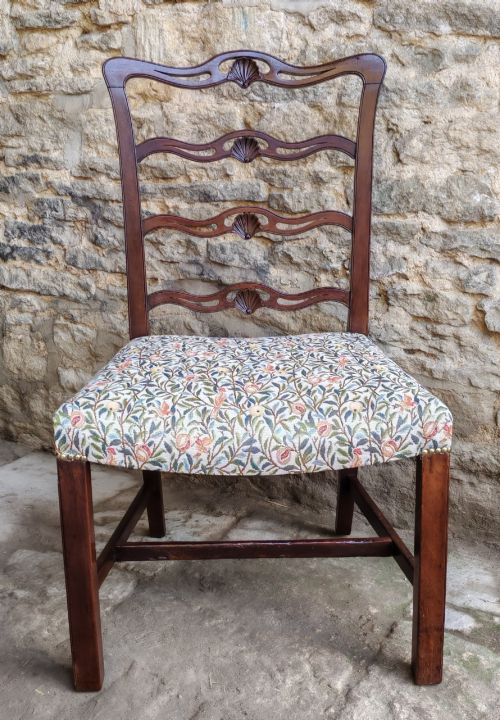
When you seek a chippendale revival seat, you are looking for nineteenth and twentieth-century mahogany craftsmanship built to echo eighteenth-century Georgian design.
Chippendale Revival Seat
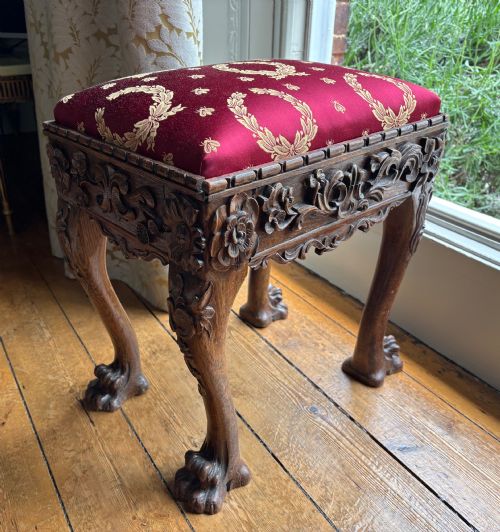
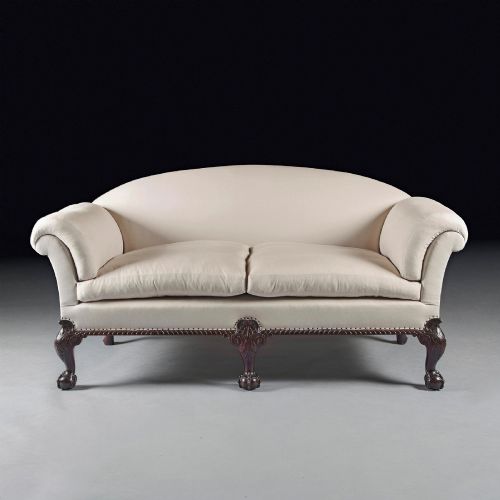
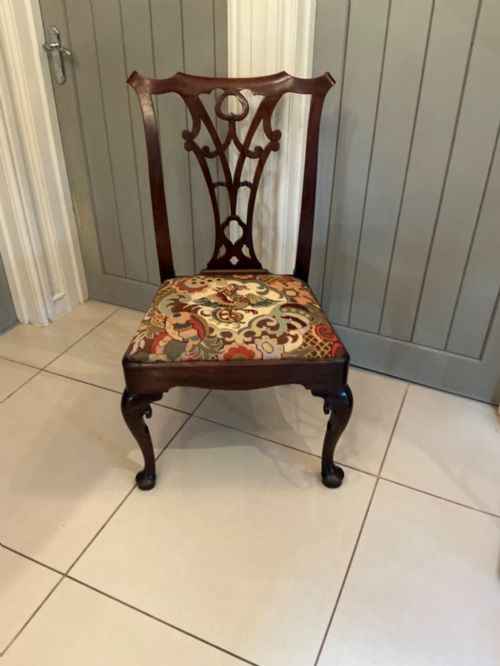
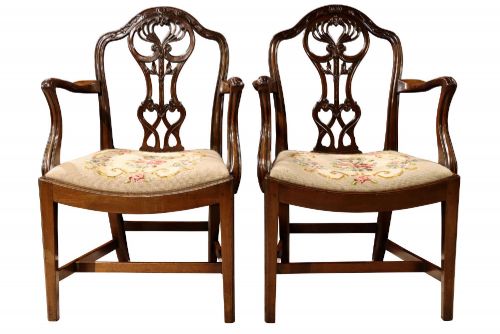
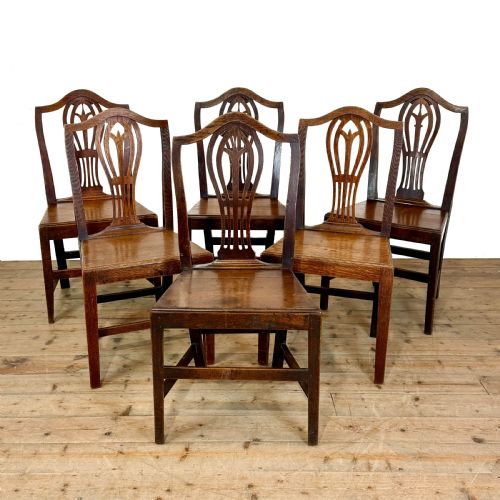
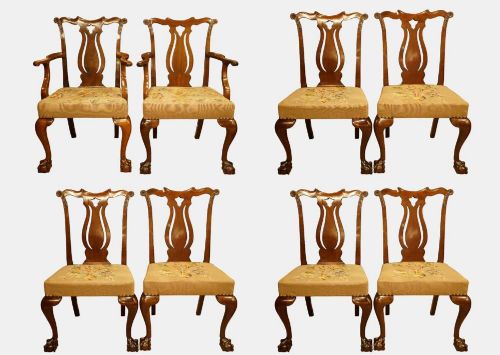
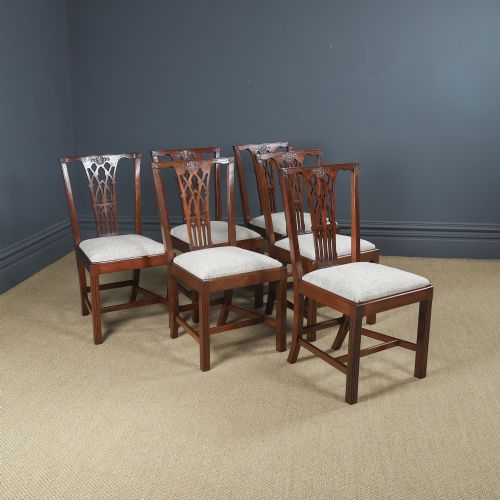
A chippendale revival seat brings historic eighteenth-century forms into Victorian and Edwardian parlours, dining rooms and libraries, drawing directly from George II and George III aesthetic traditions. Buyers searching for a chippendale revival seat will most frequently encounter mahogany dining chairs, armchairs, and matching sets dating from the nineteenth century up to the nineteen-thirties.
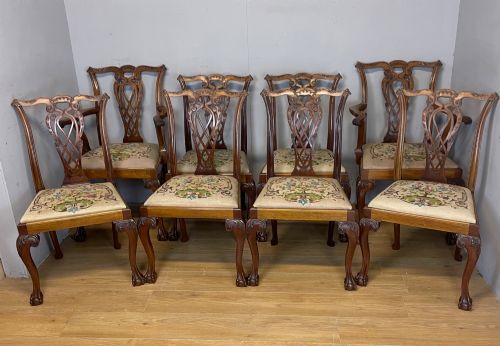
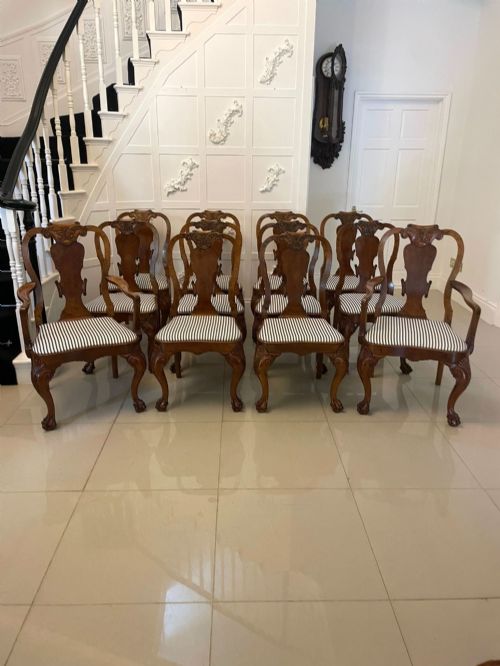
The objects span individual library desks chairs, stools, and sofas alongside larger matched sets of dining chairs numbering six, eight, twelve, or fourteen pieces. These later interpretations faithfully adopt historic silhouettes, particularly ladderback designs, ball and claw footings, and intricately carved rails.
Originating largely from English workshops alongside notable Irish makers such as Robert Strahan of Dublin, these pieces represent a sustained period of historical revivalism. They offer functional antique seating that bridges domestic utility with traditional cabinet-making heritage.
Materials and construction
Construction relies heavily upon solid mahogany, occasionally supplemented by burr walnut or oak, providing the dense foundation required for intricate hand-carving. Workshops shaped these timbers into sturdy frames featuring chair backs, elbow supports, and ball and claw feet.
Upholstery forms an integral part of the manufacturing technique, utilising traditional fabric, leather, velvet, tapestry, and damask to line the seats. Metal components such as brass appear in structural fastenings or decorative fittings where appropriate to the design.
Listings feature mahogany, oak, and burr walnut frames paired with leather, velvet, damask, and original tapestry seat upholstery.
Distinctions in quality
The standard of a chippendale revival seat depends largely on the depth and crispness of the hand-carving upon the mahogany frame and the integrity of the joinery. Pieces produced by documented firms or master cabinet-makers display superior timber selection and more rigorous attention to period proportions.
Upholstery choices also distinguish individual pieces, with original tapestries, quality leathers, and hand-stitched damask fabrics reflecting a higher grade of initial commission than standard commercial replacements.
Warings·Howard and Sons·Robert Strahan Dublin
The Chippendale Revival Seat Glossary
- Chippendale Style
- A decorative aesthetic drawing on the mid-eighteenth-century pattern books of Thomas Chippendale. It typically incorporates rococo, gothic, and chinoiserie motifs.
- Ball and Claw
- A furniture foot design depicting a bird's talon clutching a ball, commonly found on mahogany chairs and sofas from this tradition.
- Ladderback
- A chair back style featuring horizontal slats rising between two upright posts, frequently seen in revival dining chairs.
- Elbow Chair
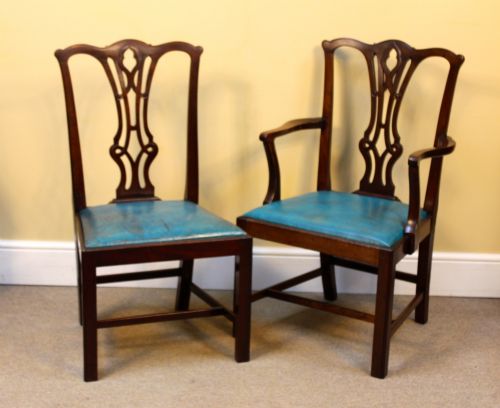
- A traditional term for an armchair, often used to describe seating designed to sit at the head of a dining table or beside a desk.
- Damask
- A reversible figured fabric traditionally woven in silk, wool, or linen, utilised extensively for antique seat upholstery.
Chippendale Revival Seat: Frequently Asked Questions
What periods do these seats cover?
The pieces span the Victorian and Edwardian eras, stretching from the mid-nineteenth century through to the nineteen-thirties. Most examples date specifically from the late nineteenth century when revivalism peaked.
Cabinet-makers during this period looked back to George II and George III designs, reinterpreting historical seating forms for contemporary Victorian homes.
How do I identify a dining set?
Matched dining sets typically comprise six, eight, twelve, or fourteen pieces, often split between single side chairs and a pair of armchairs. These sets maintain uniform mahogany frames and matching upholstery.
Individual chairs within a set share identical ladderback or carved splat details, reflecting production from a single workshop period.
What woods were used?
Mahogany serves as the primary timber across the vast majority of these chairs, sofas, and stools. Its strength allows for intricate carving along the legs and backs.
Oak and burr walnut also appear occasionally in specific pieces, providing alternative grains and darker tones for library or dining settings.
How should I care for the upholstery?
Original and period upholstery materials, including leather, tapestry, velvet, and damask, require gentle maintenance suited to their age. Regular dusting and avoidance of direct sunlight preserve the fabric fibres.
Professional textile conservation ensures that antique leather and woven seats retain their structural integrity without damaging the underlying wooden frame.