



Edwardian Carved Footstool
An edwardian carved footstool brings low seating and rich period timber into a room, offering both practical utility and fine decorative detail.
Edwardian Carved Footstool
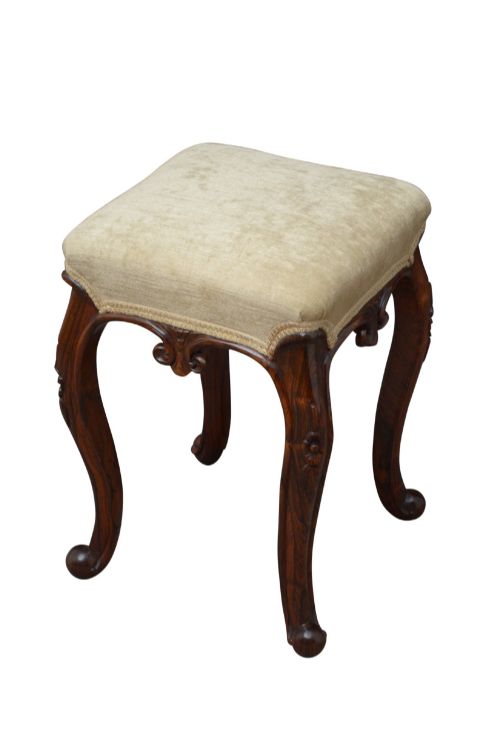
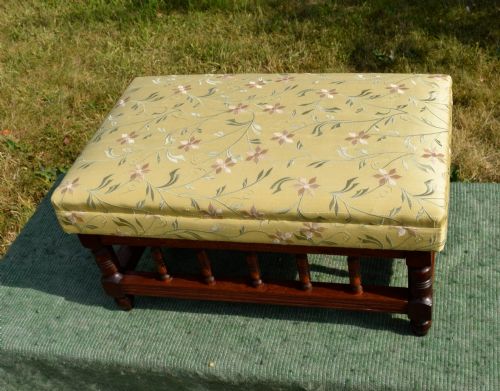
When searching for an edwardian carved footstool, buyers encounter low seating designed to support the feet or serve as compact dressing table seats. These pieces range from simple domestic forms to elaborate revival designs.
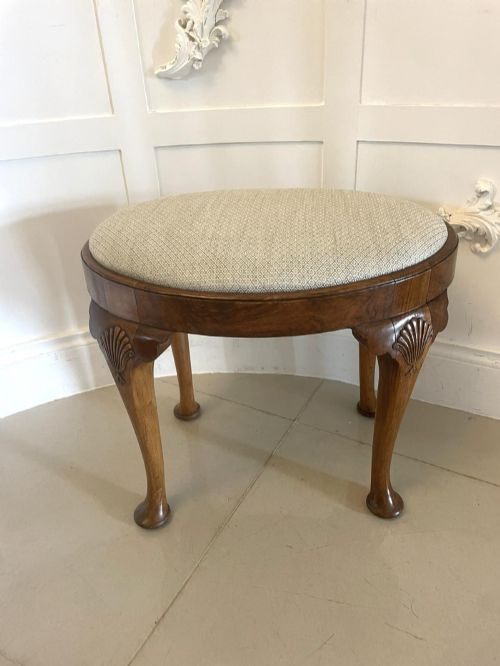
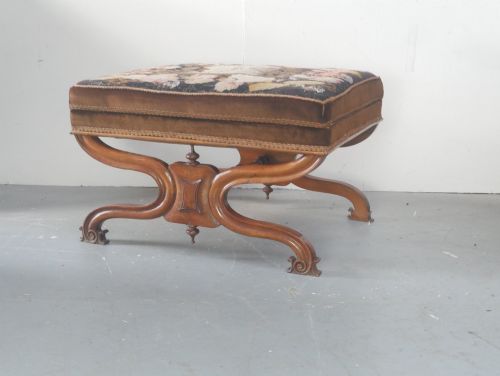
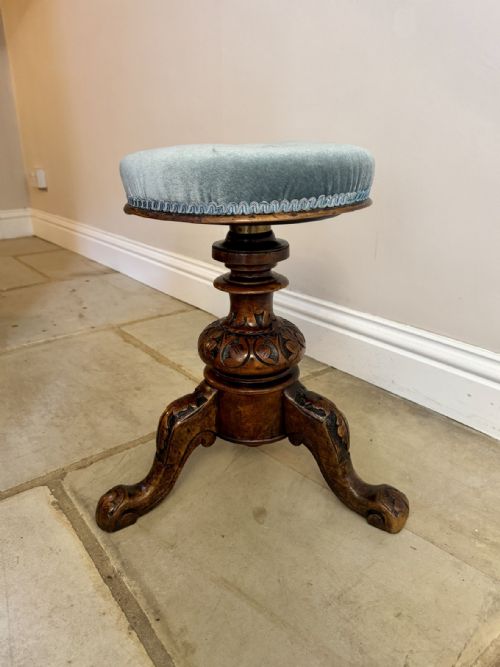
The selection includes oval, rectangular, and concave shapes alongside piano stools and window seats. Walnut and mahogany frame structures frequently appear alongside oak and beech timbers.
While true Edwardian examples feature, the selection also draws in Victorian and early twentieth-century pieces sharing similar carved wooden frames and upholstered tops.
Materials and Construction
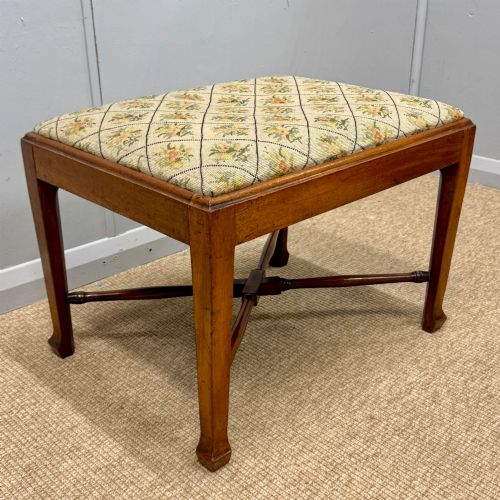
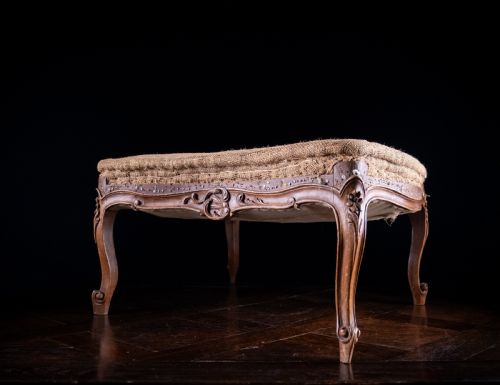
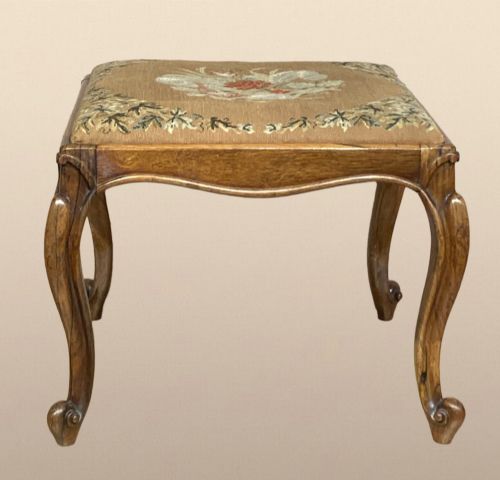
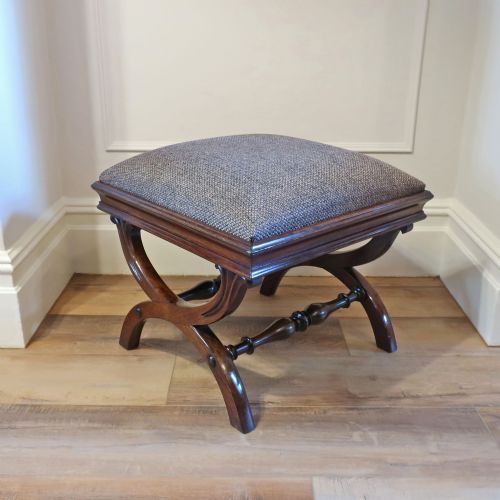
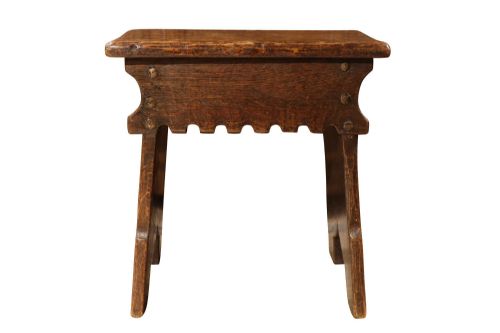
Makers shaped these frames from solid hardwoods like walnut, mahogany, oak, rosewood, and beech, often deploying cabriole legs, twisted rope supports, or cross stretchers for stability. Pegged construction and carved detailing demonstrate traditional joinery techniques.
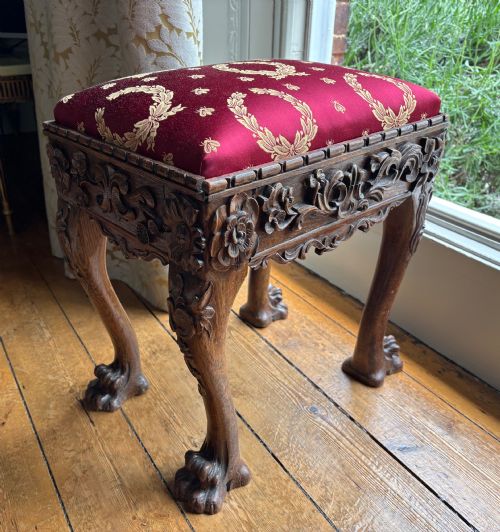
Upholstery materials vary from original needlework and tapestry to leather, wool, red damask, and modern fabric covers. Buttoned leather and needlework upholstery frequently top the carved wooden frames.
Listings feature walnut, mahogany, oak, rosewood, and beech frames paired with tapestry, leather, wool, and fabric upholstery.
Factors of Quality
Distinction across these stools lies in the crispness and depth of the wood carving, from lions' heads to classical motifs. Timber selection also dictates grade, with figured walnut and rich mahogany holding higher status than plain secondary woods.
Integrity of the frame structure and the quality of the upholstery finish separate everyday utility pieces from finer examples. Restored pieces with appropriate new covers maintain their structural soundness while preserving period character.
Jas Shoolbred·James Shoolbred
The Edwardian Carved Footstool Glossary
- Cabriole leg
- A furniture leg that curves outward at the knee and tapers inward toward the foot, mimicking an animal's limb. This form appears frequently on Victorian and revival walnut frames.
- Cross stretcher
- Horizontal wooden braces connecting the legs beneath a stool to provide structural rigidity. They often feature central turning or carving details.
- Needlework
- Hand-stitched textile work using yarn on canvas, commonly employed to upholster the top of period footstools. It provides a textured, decorative surface.
- Duchesse brisee
- An upholstered chair combined with a matching footstool or ottoman to form a chaise longue. The archive records Edwardian carved gilt-wood versions of this combination.
Edwardian Carved Footstool: Frequently Asked Questions
What is an edwardian carved footstool used for?
These low stools serve primarily as footrests or seating before a dressing table. Their compact size allows them to sit easily in front of armchairs or beside low salon seating.
They also function as decorative accent pieces in reception rooms, bringing carved timber and textured upholstery into small interior spaces.
How do I care for the upholstery?
Protect antique fabric and leather surfaces from direct sunlight to prevent fading and drying. Regular gentle dusting keeps the textile fibres clean.
For leather tops, occasional conditioning maintains suppleness. Professional cleaning is recommended for delicate needlework or tapestry covers.
Are these stools sturdy enough for daily seating?
Most solid hardwood frames constructed with pegged joints or strong corner blocks remain robust for regular use. Walnut and mahogany structures offer durable support.
Buyers should check that the leg joints and stretchers are secure. Pieces with restored frames often handle daily domestic weight without issue.
How do I distinguish Edwardian pieces from Victorian ones?
Edwardian pieces often display lighter proportions and refined Edwardian or neoclassical revival carving styles. Walnut and mahogany remain common across both eras.
Victorian examples frequently feature heavier rosewood or walnut frames, deeper buttoned leather, and more elaborate cabriole legs with pronounced scrollwork.