





Chippendale Hanging Corner Cabinet
A Chippendale hanging corner cabinet brings eighteenth-century proportion and rich mahogany grain to an awkward room junction.
Chippendale Hanging Corner Cabinet
When you search for a Chippendale hanging corner cabinet, you encounter wall-mounted storage pieces designed to fit snugly into room angles, predominantly originating from the Georgian and 18th century periods. These architectural cupboards make efficient use of dead space while offering display surfaces behind single or double doors.
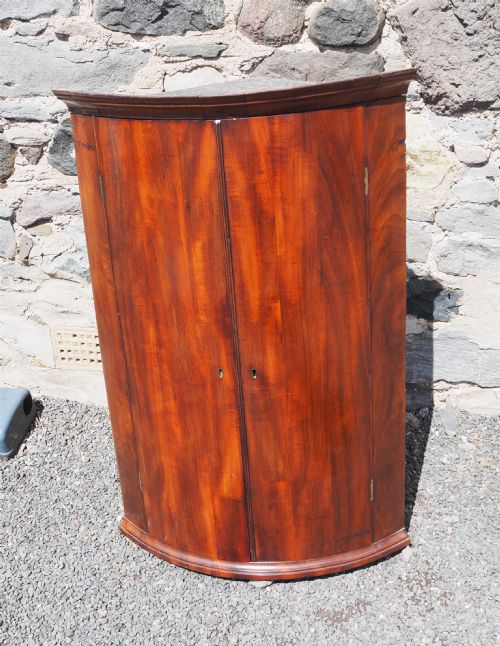
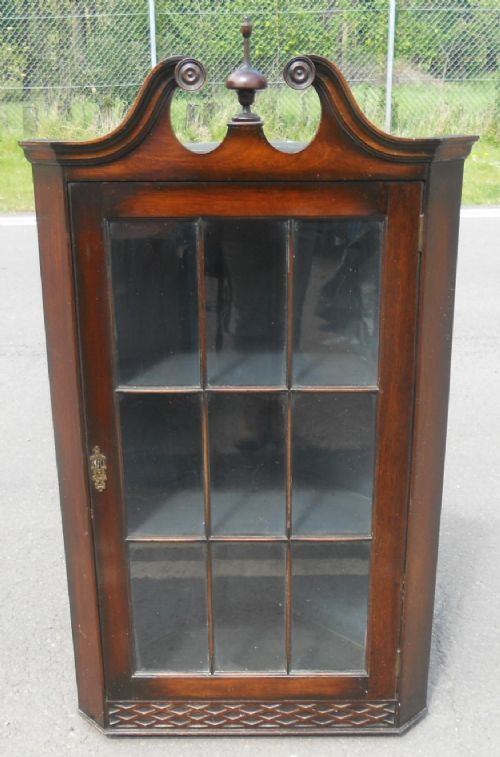
The versions most commonly met on this page range from authentic George III examples to later Chippendale Revival interpretations from the Victorian and Edwardian eras. Forms vary from simple fielded panel doors to elaborate pieces featuring broken arch pediments and bow fronts.
How they were made
Cabinet makers constructed these wall units primarily from solid mahogany and striking flame mahogany veneers, frequently accented with boxwood stringing and brass H-hinges or escutcheons. Interior shelving often sits behind glazed or panelled wooden doors designed to withstand daily domestic use.
Structural integrity relied on sturdy dovetail joints and sturdy oak secondary timbers for carcass backs and internal linings, ensuring the heavy timber could safely hang from wall fixings.
Chippendale Hanging Corner Cabinet Retail Price Guide 2026
Typical asking prices for chippendale hanging corner cabinet among the pieces listed under this phrase on Sellingantiques today, from the lower quarter to the upper quarter. They describe what is for sale here now, not the wider market.
Listings on this page span the 18th century, Georgian period, Victorian era, and Edwardian period, constructed mainly in mahogany, oak, and flame mahogany.
What varies in quality
The distinction between standard utility cupboards and finer pieces lies in the selection of timber grain, particularly the vibrancy of flame mahogany veneers across the door fronts. Architectural flourishes such as carved broken arch pediments or refined glazing bar arrangements elevate the visual weight and ambition of the design.
Original brass hardware, well-fitted internal drawers, and crisp mouldings rather than softened decorative details indicate superior workshop output and better preservation over the centuries.
The Chippendale Hanging Corner Cabinet Glossary
- Bow front
- A convex curved cabinet front that projects outward from the corner walls. This curved form requires advanced timber bending and joinery skills.
- Broken arch pediment
- A triangular pediment whose sloping upper moulding is left open at the apex. It often frames a central plinth or urn decoration.
- Flame mahogany
- A figured mahogany veneer showing a distinctive flickering flame pattern. Cabinet makers reserved this timber for principal display surfaces.
- H-hinge
- A surface-mounted brass hinge shaped like the letter H. These hinges were standard on many Georgian hanging cupboards.
Chippendale Hanging Corner Cabinet: Frequently Asked Questions
How do I hang a heavy corner cabinet safely?
These wall cabinets require secure fixing directly into masonry or solid wall studs using heavy-duty brackets rather than simple picture hooks. The weight of the timber and internal contents demands proper structural support.
Professional installation ensures the cabinet stays level and securely anchored, protecting both the antique timber and your walls from strain.
What is the difference between Georgian and revival pieces?
Georgian pieces date from the eighteenth and early nineteenth centuries, displaying period timber patination and construction methods authentic to the era. Revival pieces were manufactured later, such as during the Victorian or Edwardian periods, copying earlier aesthetic styles.
Examination of secondary woods, nail types, and internal fixings helps distinguish original eighteenth-century workshops from later revival cabinet making.
How were corner cupboards used historically?
Domestic interiors utilised these wall units to store and display precious glassware, ceramics, or household provisions in dining rooms and parlours. Elevating them off the floor kept contents away from damp flagstone floors.
They maximised floor space in smaller rooms while keeping everyday dining items within easy reach of the table.
Does wax polish protect antique mahogany?
Regular applications of traditional beeswax nourish dry timber and build a protective surface barrier against minor scuffs and atmospheric moisture. Avoid modern silicone sprays that can damage historic polishes.
Gentle buffing with a soft cloth maintains the natural lustre of the mahogany grain without harming the original patination.