





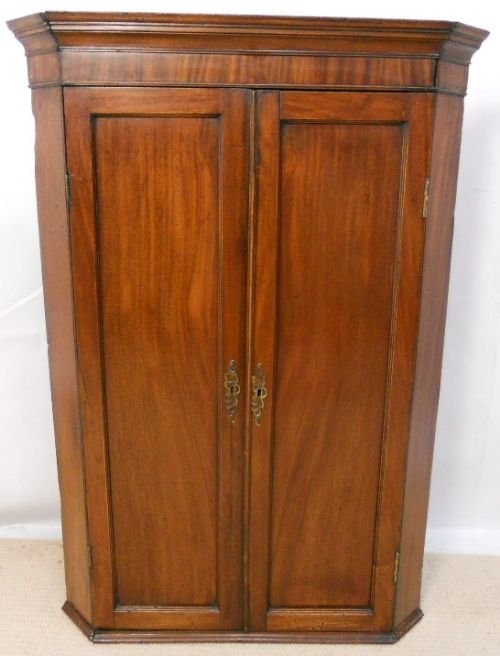
Georgian Timber Wall Cupboard
A georgian timber wall cupboard is a period hanging storage piece built to fit a room junction, offering practical storage with distinct historical presence.
Georgian Timber Wall Cupboard
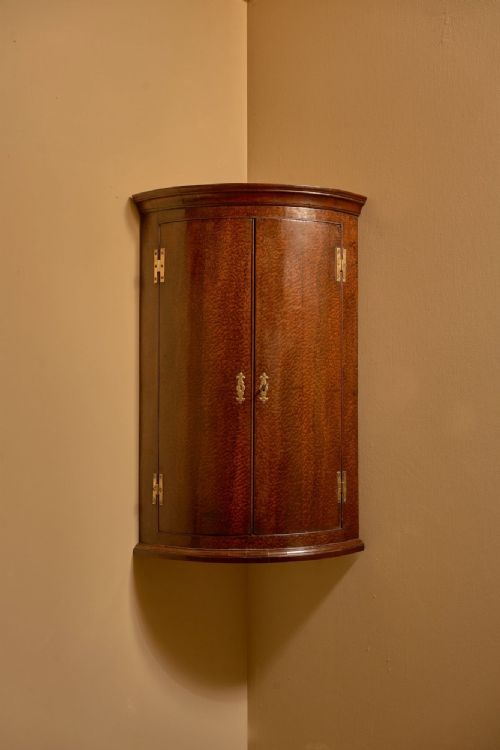
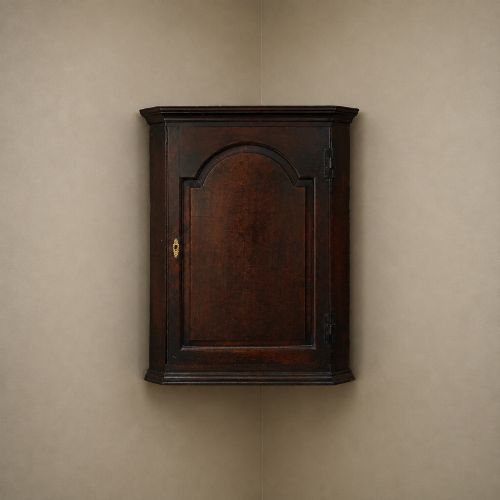
When you search for a georgian timber wall cupboard, you encounter hanging storage forms designed to utilise corner spaces in period interiors. The pieces on this page span the eighteenth and nineteenth centuries, including revival items alongside earlier examples.
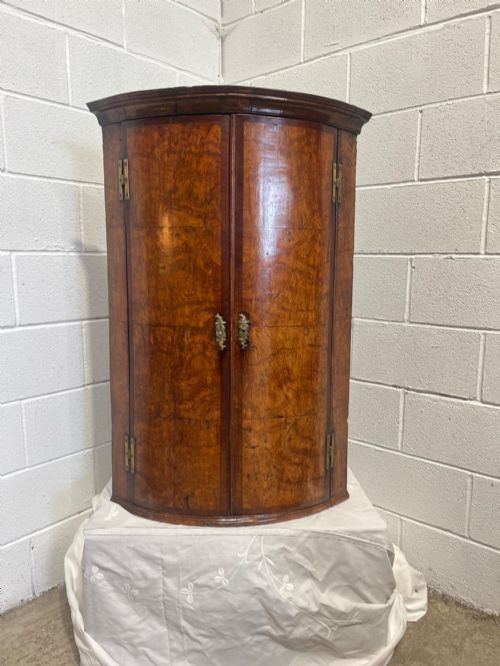
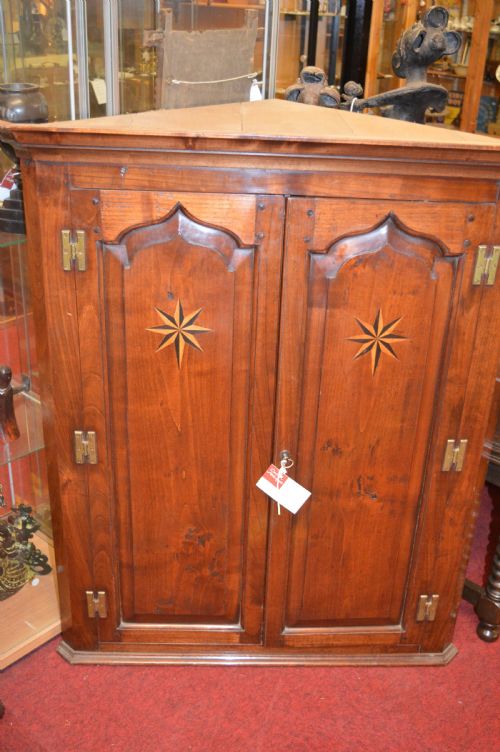
The selection ranges from compact single door units to larger double door variants. Many take the form of corner cupboards and cabinets intended to mount directly to the wall.
Origins stretch across English country and formal metropolitan styles, reflecting varied domestic needs from simple spice storage to grander display cabinets with glazed doors.
How they were made
Cabinet makers constructed these cupboards using native and imported timbers, relying heavily on oak, mahogany, fruitwood, burr oak, and yew. Timber selection dictated whether the piece received a plain finish, decorative paint, or detailed inlay.
Surface ornamentation often incorporates satinwood inlay and brass fittings such as hinges and escutcheons. Glazed doors appear on select refined formats to permit the display of contents.
Georgian Timber Wall Cupboard Retail Price Guide 2026
Typical asking prices for georgian timber wall cupboard among the pieces listed under this phrase on Sellingantiques today, from the lower quarter to the upper quarter. They describe what is for sale here now, not the wider market.
Early spice cupboards were built small enough to tuck safely away, keeping precious nutmeg out of sticky fingers.
What varies in quality
Quality in a georgian timber wall cupboard rests on the selection of timber figures and the precision of the construction. Superior examples exhibit carefully matched veneers, such as burr oak or figured mahogany, alongside delicate satinwood inlay.
The integrity of the original brass hardware and the crispness of mouldings distinguish higher tier pieces from simpler vernacular items. Interior layout and the condition of original glass panels further separate standard utility cupboards from more ambitious cabinet work.
The Georgian Timber Wall Cupboard Glossary
- Hanging corner cupboard
- A wall mounted storage unit built with an angled back to fit snugly into the corner of a room.
- Glazed door
- A door fitted with glass panes to display the interior contents, commonly seen on eighteenth and nineteenth century display cabinets.
- Satinwood inlay
- A decorative technique using contrasting light satinwood timber to create geometric or floral patterns within the primary wood surface.
- Escutcheon
- A protective plate surrounding a keyhole, usually fashioned from brass on period cabinetry.
Georgian Timber Wall Cupboard: Frequently Asked Questions
How do I hang a heavy timber corner cupboard safely?
Wall hanging requires locating solid masonry or substantial internal timber studs behind the plaster. Secure fixing points through the backboards ensure the weight of the timber and its contents distributes evenly.
Professional installation is often advisable for heavier hardwood pieces to prevent strain on historical joints.
What rooms suit a wall hanging cupboard?
These units perform well in kitchens, dining rooms, and hallways where floor space remains at a premium. Their angled design makes effective use of otherwise neglected room junctions.
They also serve as practical display storage in living areas for ceramics and glassware.
How do I tell an 18th century piece from a later revival?
Construction methods, timber ageing, and secondary woods inside the carcass offer key indicators of age. Eighteenth century examples often display hand cut joinery and native secondary timbers.
Later nineteenth century revival items tend to feature more uniform machine tooling and different construction signatures.
How should I clean antique wood surfaces?
Regular dusting with a dry, soft cloth prevents particle buildup on the timber and brass fittings. Avoid modern silicone sprays that can damage historical finishes.
Application of traditional beeswax helps nourish dry wood and maintains a natural sheen over time.