


Chippendale Dining Table
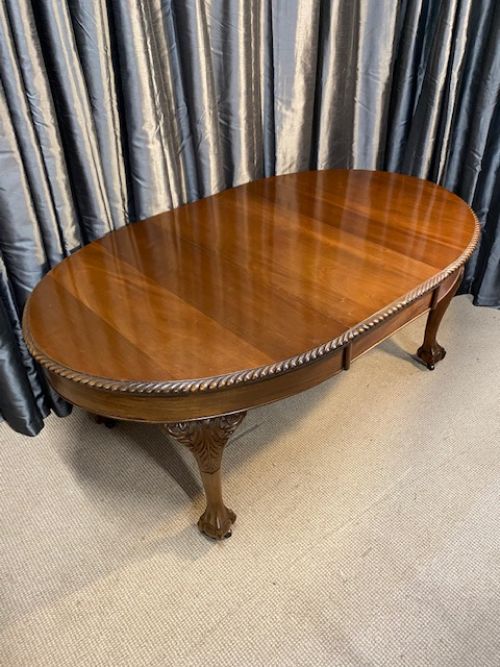
A chippendale dining table brings classic proportions and solid mahogany to the dining room, offering an enduring centrepiece for formal meals.
Chippendale dining table forms and periods
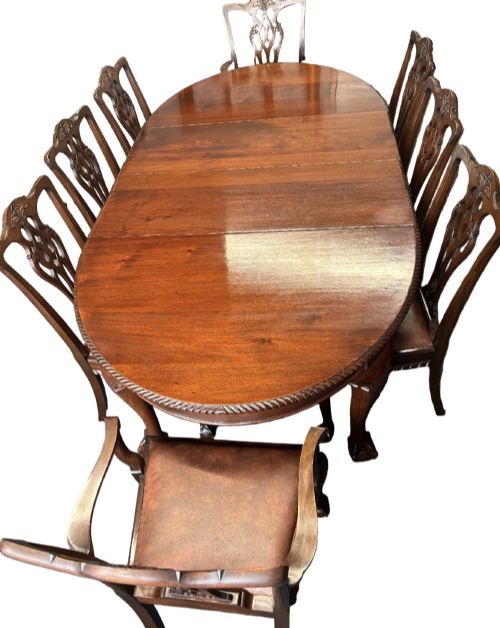
A chippendale dining table is a dining table influenced by eighteenth-century designs, appearing on this page across eighteenth-century originals and nineteenth-century and twentieth-century revivals. The listings include examples from the Victorian and Edwardian eras, alongside pieces dated around 1890, 1900, 1905, 1910, 1920, and 1930.
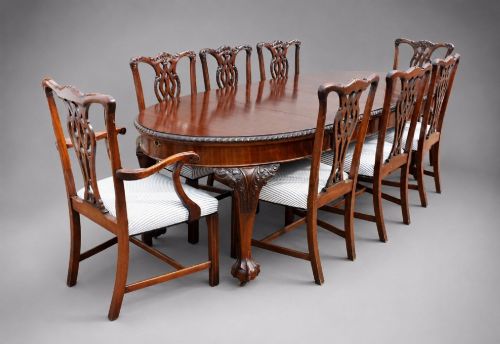
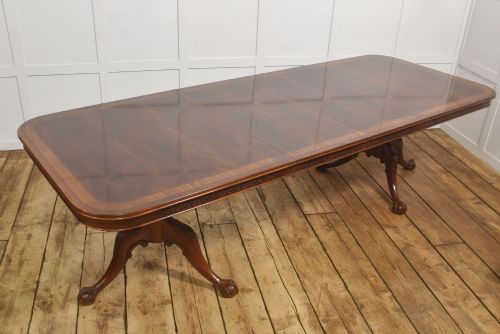
The most common formats found here are extending dining tables, console combinations, and oval or round configurations designed to seat multiple guests. Many examples incorporate wind-out mechanisms with leaves to accommodate larger gatherings of eight to ten people.
Judging quality and craftsmanship
Quality rests on the depth of timber selection and the precision of the extending mechanism, separating standard production from superior cabinet work. Heavier timber frames and smooth-running wind-out screws indicate higher standards of manufacture.
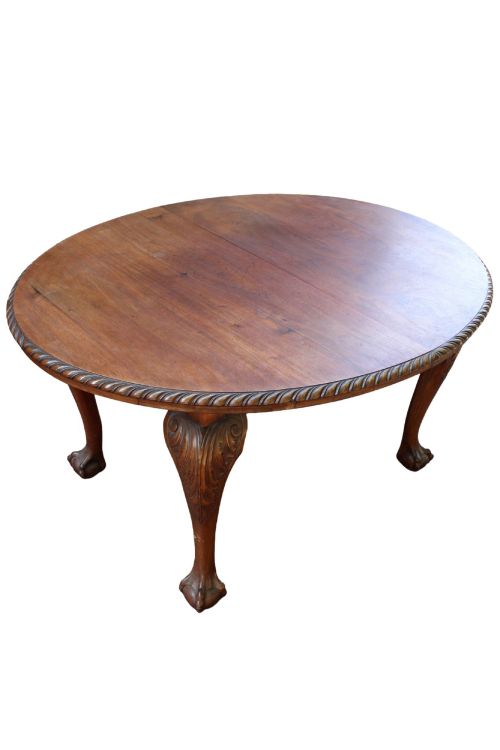
Carved detailing, such as ball and claw feet, demonstrates the artisan's skill level. Finer examples balance robust structural joinery with delicate surface ornamentation.
Retail Price Guide 2026
Typical UK retail prices for chippendale dining table, calculated from the Sellingantiques database of over a million retail prices indexed since 2003. This retail price guide relies exclusively on Sellingantiques data; no external sources or auction records are used, so the figures do not describe the wider market.
Materials recorded across the archive include solid mahogany, walnut, satinwood, and brass hardware.
Waring and Gillow
The Chippendale Dining Table Glossary
- Chippendale Revival
- A style period spanning the nineteenth and twentieth centuries that reinterprets eighteenth-century furniture designs. Makers during this time reproduced classic proportions and carved ornamentation.
- Wind out
- A mechanical system using a handle and threaded metal rod to open the table frame. This allows additional leaves to be inserted into the centre.
- Extending dining table
- A table designed with a segmented top and internal runners to increase surface area. It accommodates varying numbers of diners.
- Ball and claw
- A furniture foot carved to resemble a bird's talon clutching a ball. This motif frequently appears on antique dining table legs.
- Console
- A side table designed to stand against a wall, which in some antique formats combines with dining sections. It converts into a larger surface when pulled apart.
Frequently Asked Questions
How do I operate a wind out dining table?
Insert the winding handle into the socket beneath the table skirt and turn it slowly to separate the halves. This action creates the gap needed to drop in additional timber leaves.
Once the leaves rest securely on the internal alignment pins, turn the handle in the reverse direction to close the frame tightly together. Ensure the mechanism remains lightly lubricated for smooth movement.
What periods do these tables come from?
The selection includes genuine eighteenth-century pieces alongside Victorian, Edwardian, and twentieth-century revival pieces. Revival dates span from the late nineteenth century through the 1930s.
Construction details and timber ageing help distinguish between original eighteenth-century work and later revival interpretations from the 1900s to 1930.
How many people do these tables seat?
Many listings specify capacities for six, eight, or ten diners, depending on the presence of extension leaves. Oval and round formats generally suit smaller rooms.
Fully extended tables with multiple leaves provide adequate length for larger dinner parties and formal gatherings.
How should I care for a mahogany dining table?
Keep the timber away from direct heat sources and strong sunlight to prevent the polished mahogany surface from drying out or fading. Use coasters and placemats to protect the finish during meals.
Apply a quality beeswax periodically and buff gently with a soft cloth to maintain the natural lustre of the wood.