

Chippendale Back Dining Chairs
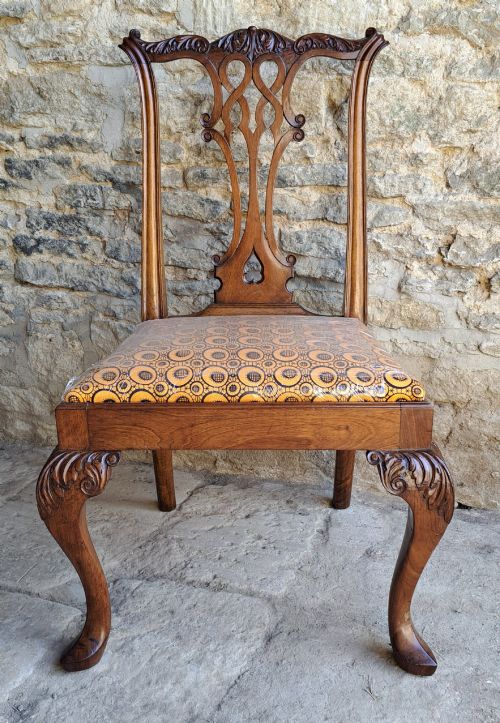
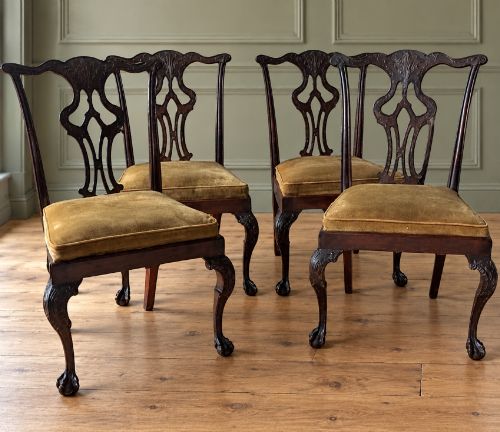
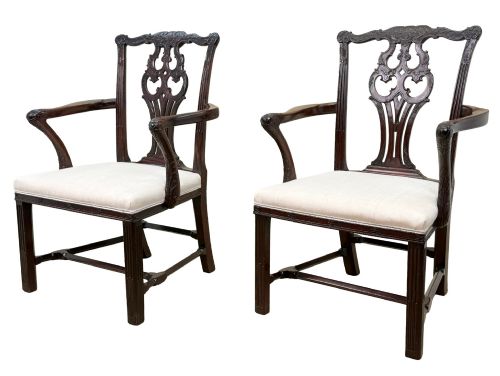
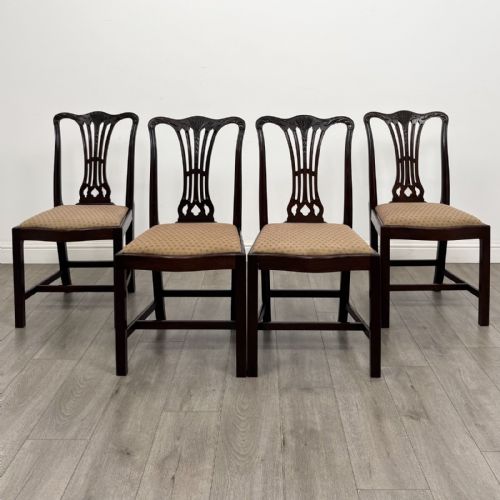
Chippendale back dining chairs bring unmistakable presence to a room, defined by their pierced splats and rhythmic silhouette.
Chippendale Back Dining Chairs
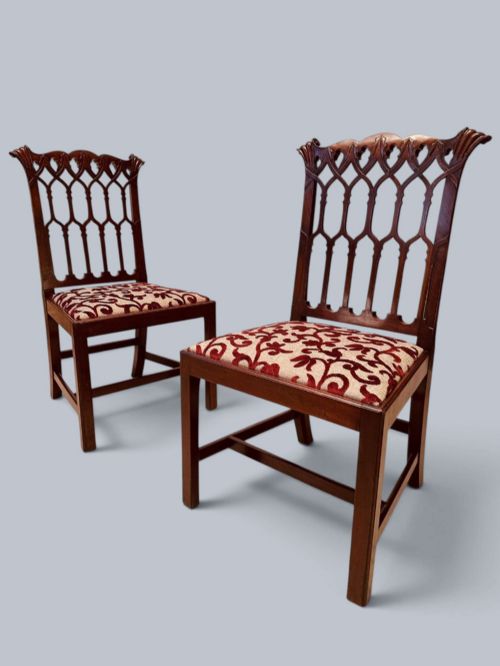
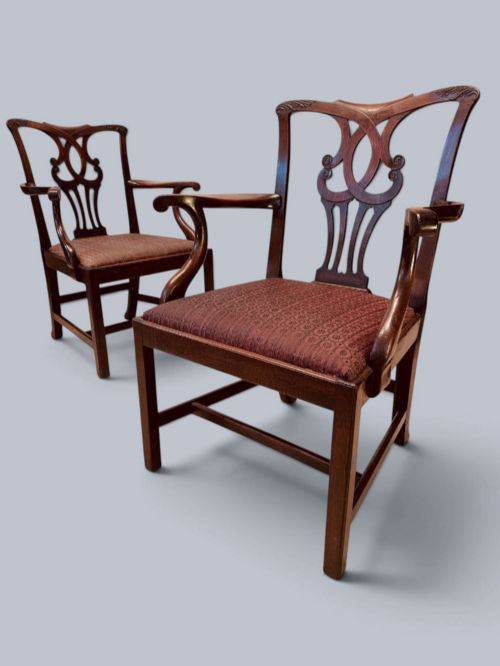
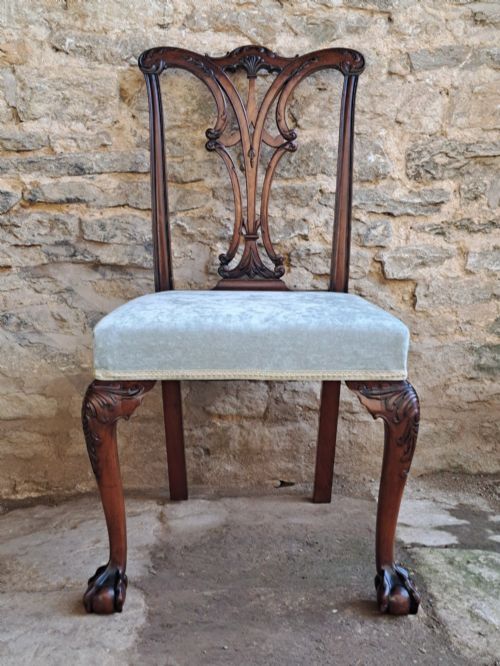
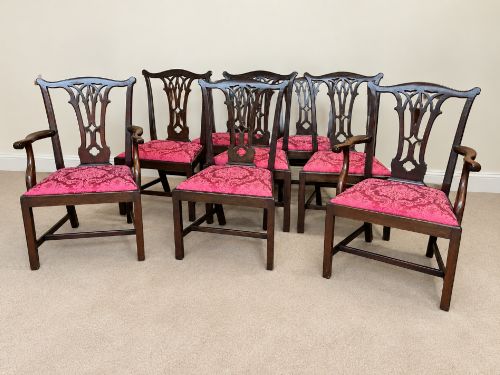
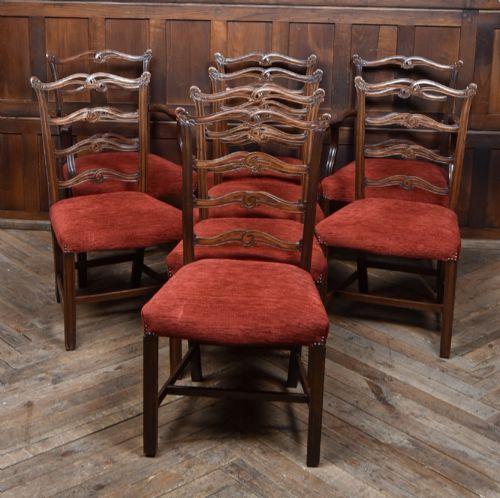
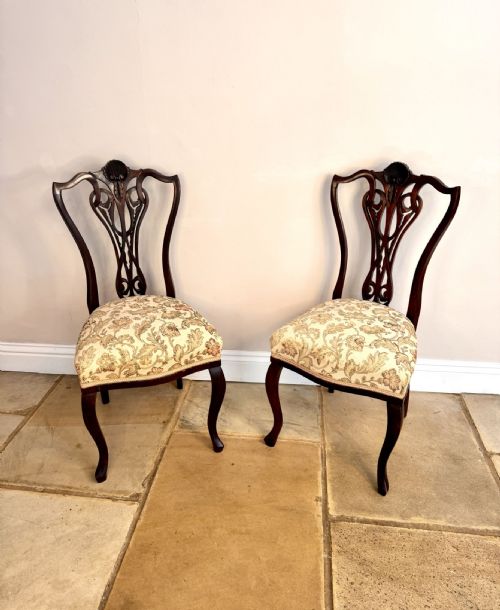
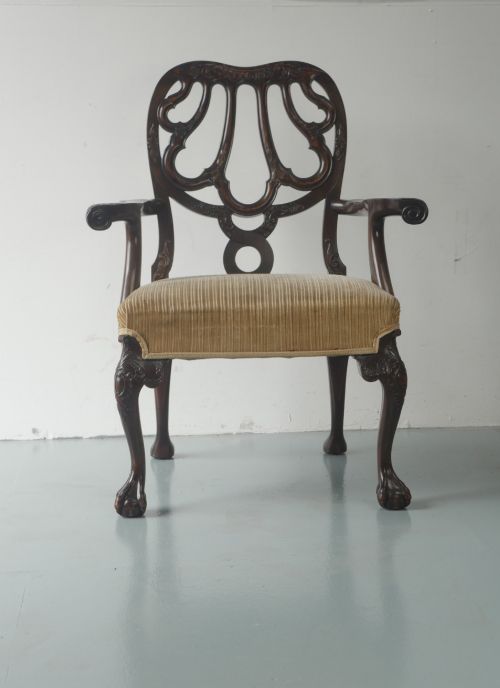
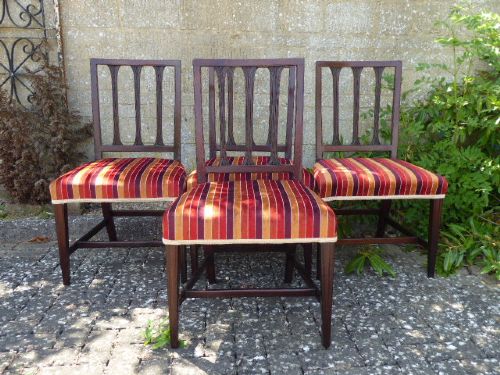
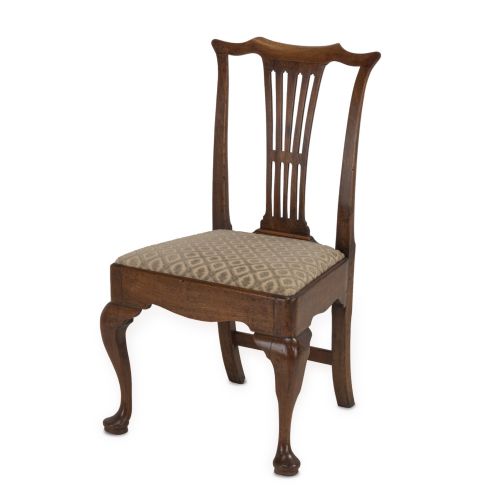
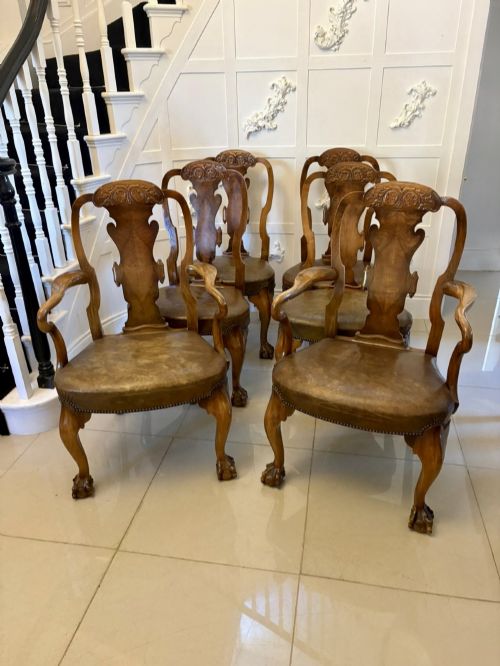
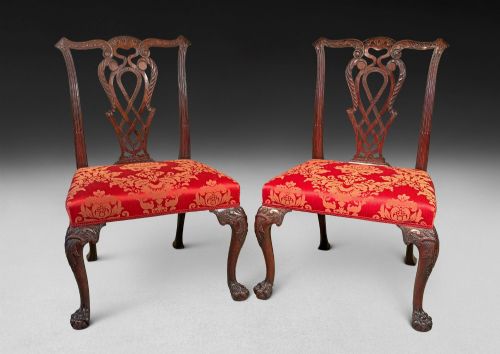
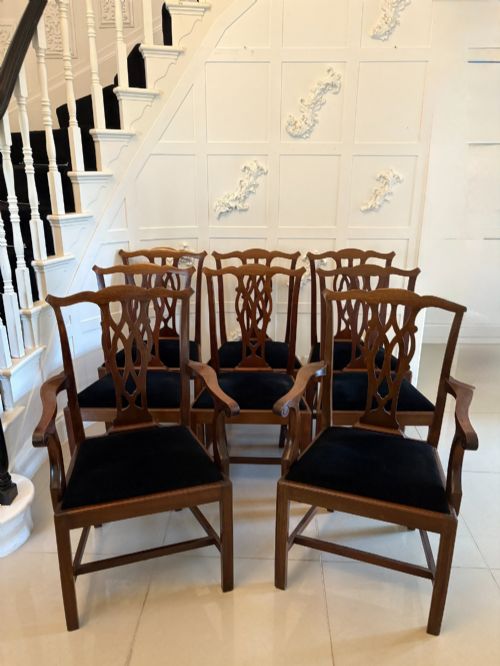
These seating pieces are defined by their distinctive pierced vertical splats, which take intricate ribbon, vase, or ladder forms beneath a top rail shaped with curved ears. When buyers search for chippendale back dining chairs, they encounter both authentic 18th century examples and later revival interpretations spanning the Victorian, Edwardian, and 1920s periods. The forms range from single side chairs to extensive sets of dining chairs and armchairs, alongside occasional armchairs and carvers.
The versions most commonly met on this page belong to the Chippendale Revival and Chippendale style categories produced during the late 19th and early 20th centuries. Makers of this later era frequently utilised solid mahogany, shaping the timber to echo the proportion and carving detail of Georgian prototypes. Sets of four, six, or eight pieces appear alongside individual armchairs and paired side chairs.
Materials and Construction
Makers predominantly selected dense tropical hardwoods, chiefly mahogany alongside walnut and occasional oak or yew wood, to withstand the structural demands of pierced back splats. The timber is joined using traditional mortise and tenon techniques, ensuring stability across the frame without relying on metal fixings. Carved motifs along the top rails, stiles, and knees are worked directly into the solid wood rather than applied as separate ornamentation.
Seats are constructed to accommodate drop-in pads or fixed upholstery frames, layered with traditional stuffing materials and finished in fabric, velvet, leather, or specialist upholstery fabric. Brass elements occasionally appear on castors or hardware for armchairs and desk chairs. The timber surfaces receive hand-applied polishes that highlight the natural grain and deep colour of the mahogany or walnut.
Chippendale Back Dining Chairs Retail Price Guide 2026
Typical asking prices for chippendale back dining chairs among the pieces listed under this phrase on Sellingantiques today, from the lower quarter to the upper quarter. They describe what is for sale here now, not the wider market.
Several chairs arrive ready for dinner after surviving centuries of polite conversation and shifting dining fashions.
Markers of Quality
The distinction between ordinary and superior chairs rests on the crispness of the hand-carving along the pierced splat and the weight of the timber selected for the frame. Better pieces display deeply undercut carving rather than shallow moulding, and the splat fits snugly into the shoe and top rail without excessive packing. Timber selection matters profoundly, with straight-grained mahogany and figured walnut commanding greater regard than plain or heavily stained substitutes.
Structural integrity through the seat rails and leg junctions separates standard production from finer work, visible in the snugness of the joinery and the absence of clumsy secondary woods. Sets that remain entirely uniform in timber figure and colour throughout indicate careful original selection by the cabinetmaker. The treatment of the drop-in seat frame and the weight of the underlying woodwork also signal the level of craftsmanship invested in the piece.
Howard and Sons·Alfred Allen of Birmingham
The Chippendale Back Dining Chairs Glossary
- Pierced splat
- The central vertical piece of wood within a chair back that has been pierced or fretted into an openwork pattern. This element defines the visual rhythm of the design.
- Carver
- An armchair designed to match a set of dining side chairs, traditionally placed at the head of a dining table. They feature open arms attached to the seat rail and stiles.
- Chippendale Revival
- A term applied to furniture manufactured during the late 19th and early 20th centuries in the distinct manner of the 18th-century cabinetmaker Thomas Chippendale. These pieces interpret Georgian proportions using contemporary workshop methods.
- Side chair
- An upholstered or wooden chair without arms, designed specifically for use around a dining table. They are typically narrower than armchairs to allow compact placement.
- Top rail
- The uppermost horizontal member of a chair back, often shaped with scrolled ears or serpentine curves. It receives the primary visual weight of the upper frame.
Chippendale Back Dining Chairs: Frequently Asked Questions
How do I spot a revival chair?
Revival chairs from the Victorian or Edwardian periods often utilise machine-assisted timber preparation and possess a heavier internal frame construction compared to their 18th-century predecessors. Closer inspection of the tool marks and the uniformity of the timber usually reveals the later manufacturing date.
Makers working in the revival style also tended to adopt standardised dimensions that suit modern dining heights better than older examples. The finish applied to the wood often exhibits a deeper, more even tone characteristic of late 19th and early 20th-century polishing methods.
Can I mix side chairs with carvers?
Mixing armchairs with side chairs is a historically established practice for formal dining settings, where two carvers sit at the table ends and side chairs line the sides. Ensuring the general period and timber tone align creates a cohesive appearance around the table.
When combining chairs from different sets, matching the height of the seat rails and the curve of the top rail maintains visual harmony. The proportions of the pierced splats should share a similar aesthetic weight to prevent one chair style from overpowering the rest.
What woods were used for these chairs?
Mahogany served as the primary material for the vast majority of these dining chairs, valued for its tensile strength in supporting intricate pierced splats. Walnut and occasional oak or yew wood also appear across different regional workshops and periods.
The choice of timber directly influences the weight and colour of the piece, with Cuban and Honduras mahogany offering deep reddish-brown tones. Secondary woods hidden inside the frame often include softer timbers like pine or beech.
How should I care for antique upholstery?
Antique upholstery requires gentle maintenance using low-suction vacuum attachments to remove dust from delicate fabrics like velvet or textured textiles. Protecting the fabric from direct sunlight prevents the fading of dyed textiles and preserves the underlying stuffing.
If the upholstery fabric is modern replacement work, standard textile care applies according to the fibre content. Original show wood surrounding the upholstery should be fed periodically with appropriate furniture wax to keep the timber nourished.