
Chinoiserie Lacquer Cupboard
A chinoiserie lacquer cupboard brings painted oriental scenes and rich black, red or green surfaces into a room.
Chinoiserie Lacquer Cupboard
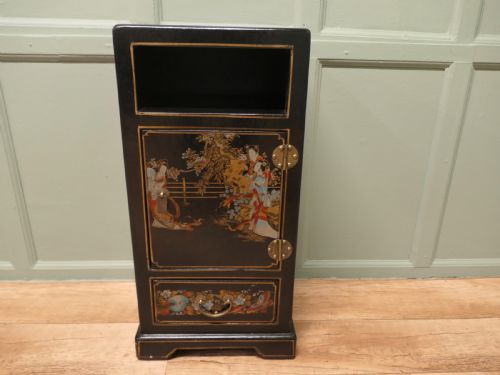
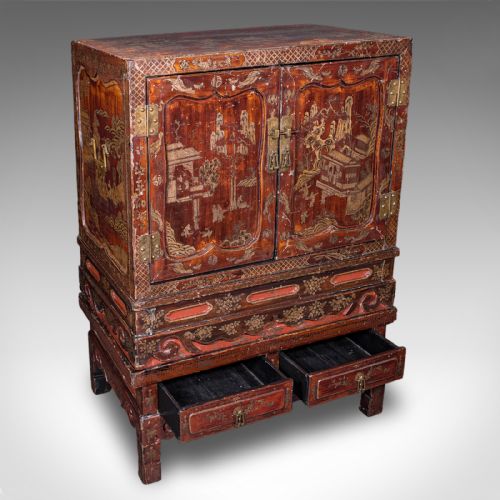
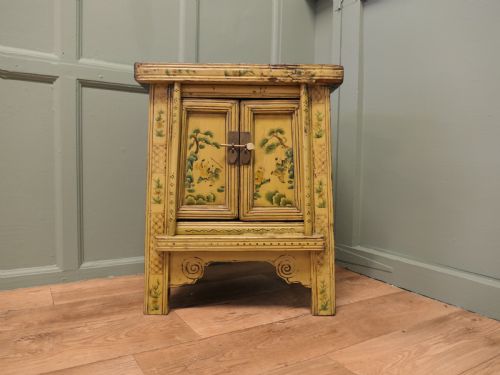
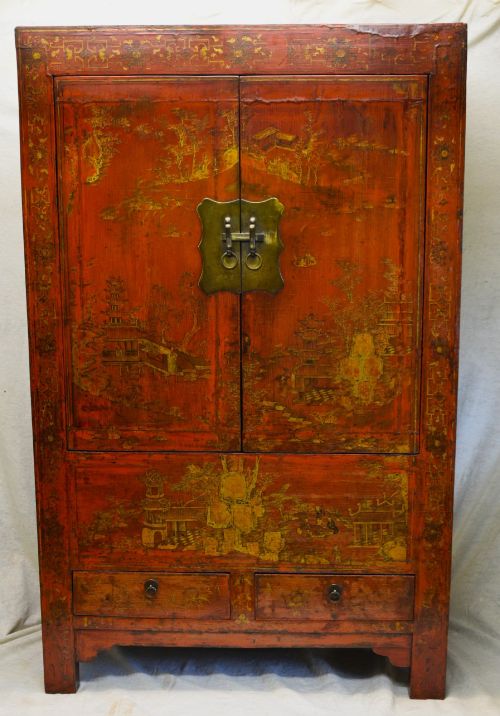
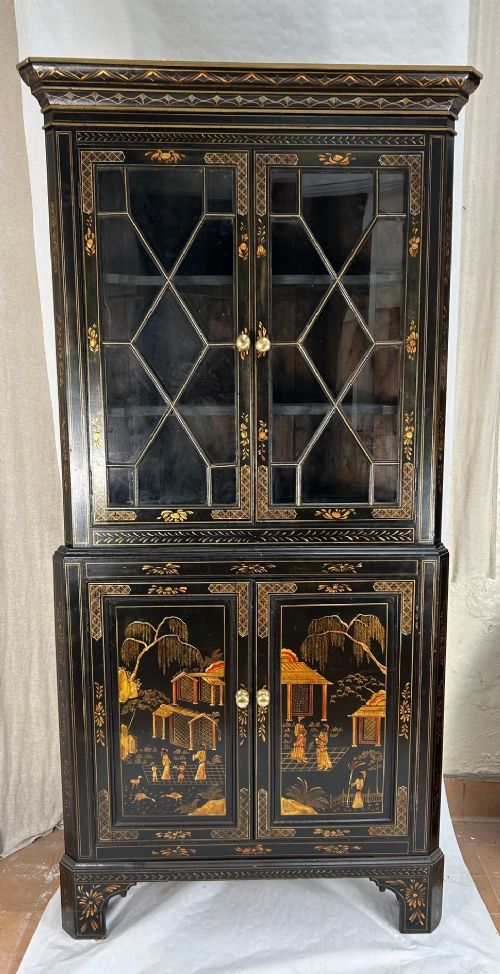
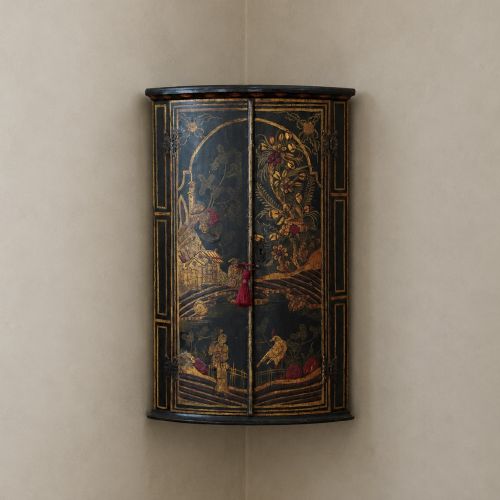
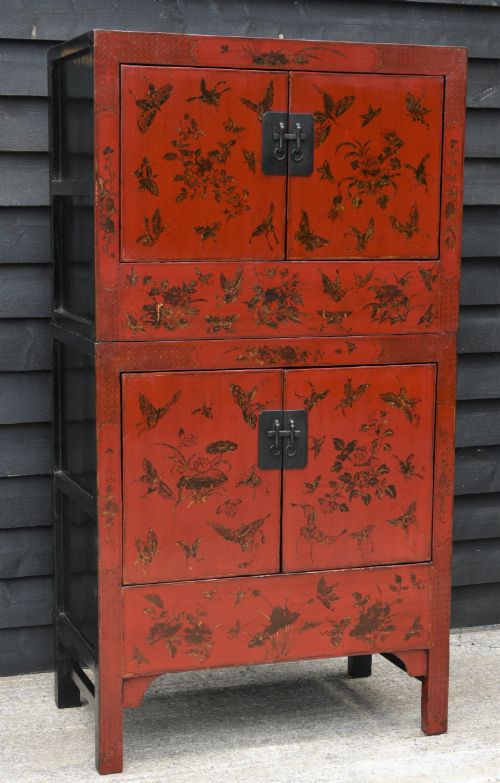
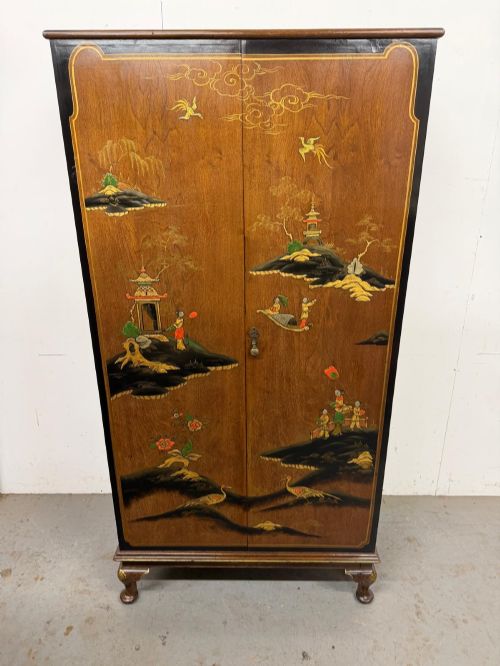
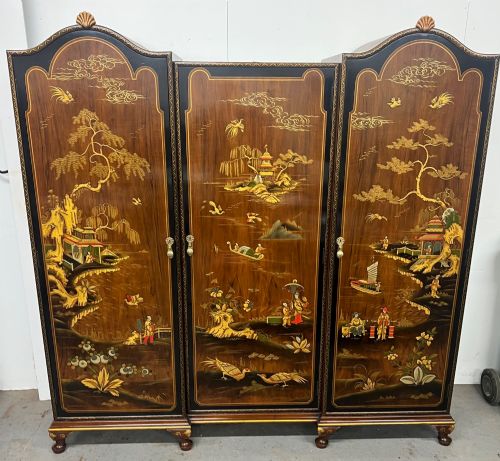
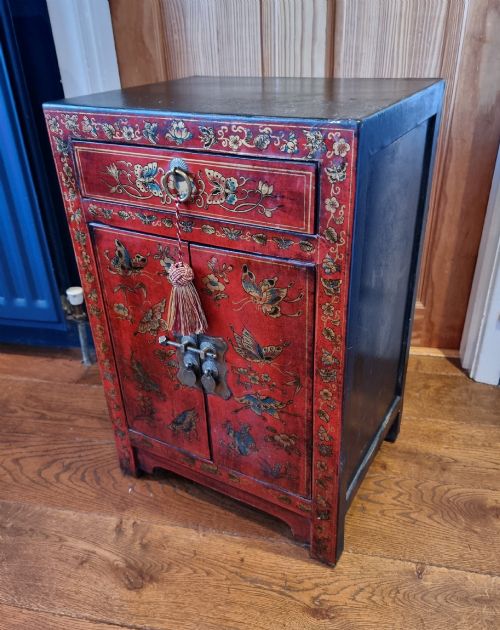
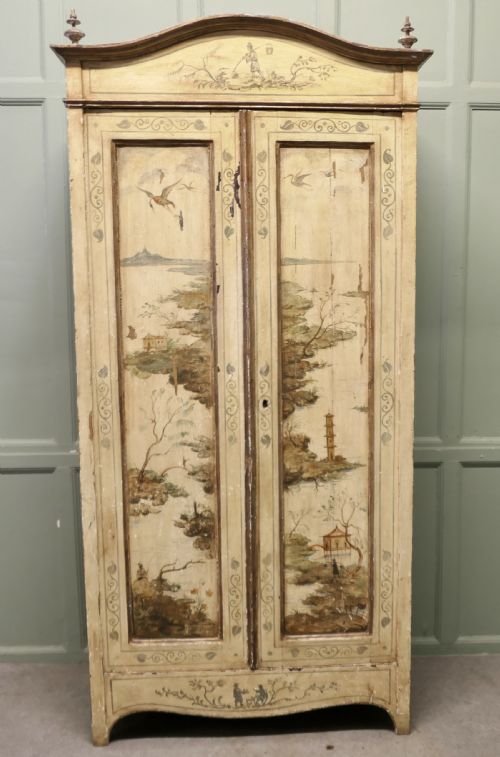
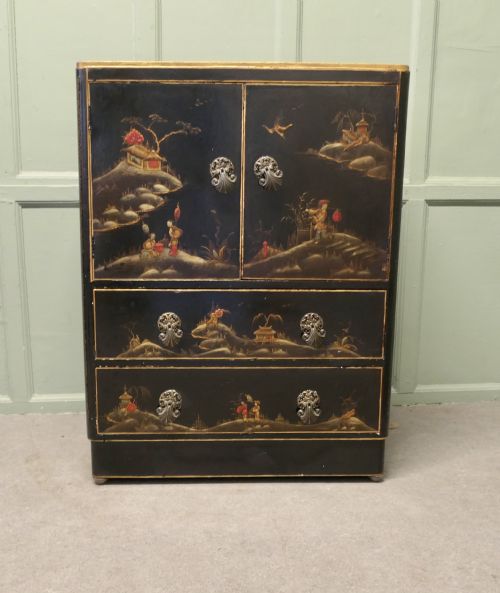
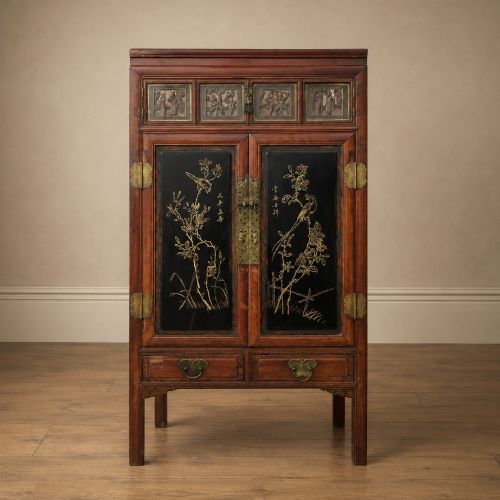
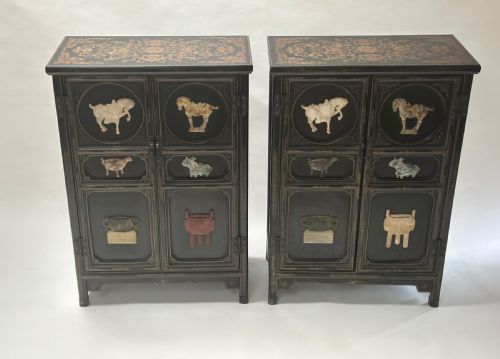
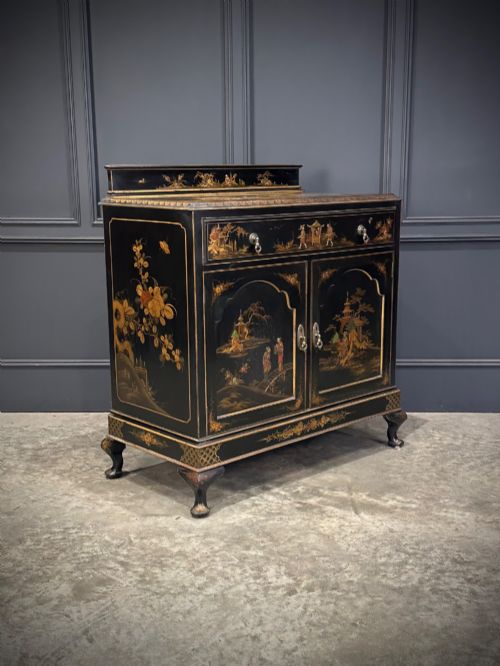
A chinoiserie lacquer cupboard encompasses corner cupboards, side cabinets, cocktail cabinets and tall wardrobes originating from periods spanning the eighteenth century through to the art deco era. These pieces display distinct oriental decoration, often featuring figures, birds, and outdoor scenes rendered on lacquered wood.
Corner cupboards and side cabinets form the most common variations encountered on this page. Examples range from eighteenth century standing corner designs to early twentieth century black and red lacquer storage pieces.
Makers and workshops across Georgian, Regency, Edwardian and later periods adapted these traditional oriental motifs onto English furniture forms, creating distinct stylistic crossovers.
Materials and construction
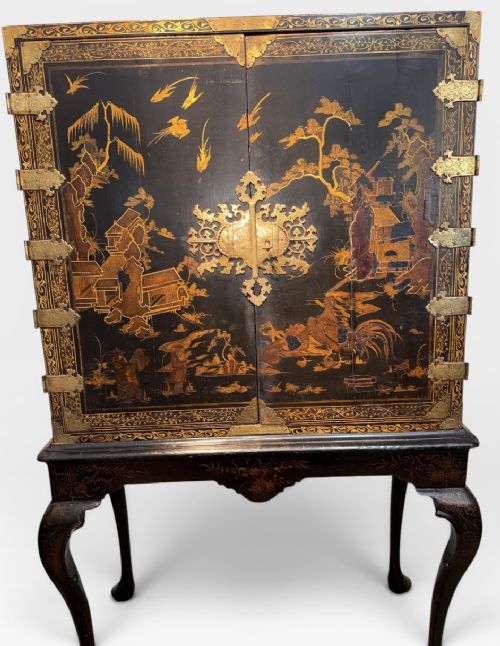
Makers applied layers of lacquer onto wood bases, incorporating gold leaf, gilt, and painted details to build up intricate surface patterns. Brass hinges and handles often provide structural contrast to the dark or brightly coloured finishes.
Techniques varied from traditional Chinese methods seen on wedding and marriage cabinets to European japanning and pen-work applied during the Georgian and Regency periods. Artisans sealed the wooden carcasses before executing detailed outdoor scenes depicting birds, flowers, and figures.
Several cupboards hide teal or brightly painted interiors behind sombre black or red exterior doors, surprising anyone who opens them.
Assessing craftsmanship
The finesse of the hand-painted decoration separates standard items from exceptional examples. Finer pieces display crisp gilt work and detailed figural scenes that retain their depth across the lacquered surface.
Structural integrity and period hardware also dictate standard. Original stands on cabinets, well-preserved interior finishes, and the stability of the timber carcass distinguish superior pieces from later revivals.
Maples and Co.·Harrods
The Chinoiserie Lacquer Cupboard Glossary
- Japanning
- European imitation of East Asian lacquerwork using resin varnishes and metallic dust. This technique became popular during the seventeenth and eighteenth centuries for decorating cabinet furniture.
- Chinoiserie
- European interpretation of Chinese and East Asian artistic traditions. It manifests primarily in decorative motifs applied to furniture, textiles, and ceramics.
- Lacquer
- A durable finish applied to wood surfaces derived from natural resin or synthetic varnishes. It provides a glossy background suitable for gilding and painting.
- Compactum
- A multi-compartment wardrobe designed for efficient clothing storage. These tall pieces often feature specialised interior fittings.
- Pen-work
- A decorative technique utilising fine ink drawings on a prepared wood or painted surface. It appears on select Regency period pieces.
Chinoiserie Lacquer Cupboard: Frequently Asked Questions
How are these cupboards cleaned?
Dust surfaces gently with a soft, dry cloth to protect the delicate lacquer and gilt decoration. Avoid liquid cleaners and modern polishes that might damage the historical finish.
Keep the cabinet away from direct sunlight and fluctuating radiator heat to prevent the wood underneath from expanding and cracking the lacquer layers.
Where should a corner cupboard go?
Place a corner cupboard in an underutilised room junction where its angled back fits flush against the walls. Standing and hanging models both anchor awkward empty spaces effectively.
Ensure the surrounding lighting highlights the painted doors without exposing the piece to harsh, direct sunlight that fades red and black lacquer over time.
How do I date a piece?
Examine the secondary timbers inside the cabinet, the cut of the hinges, and the style of the painted decoration. Georgian and Regency pieces show different construction traits compared to Edwardian or Art Deco revivals.
Compare the motifs on the doors with known period styles, noting whether the japanning appears contemporary with the carcass or applied during a later revival.
What is a cabinet on stand?
A cabinet on stand consists of an enclosed upper storage section elevated on a separate supporting leg frame. This form lifts the decorated surface closer to eye level.
Earlier eighteenth century examples often feature tall, slender stands, while later Edwardian versions adopt heavier proportions suited to cocktail and display uses.