


Chinese Wood Boxes
Chinese wood boxes span centuries of skilled carpentry, offering practical storage and rich decorative character for the home.
Chinese Wood Boxes
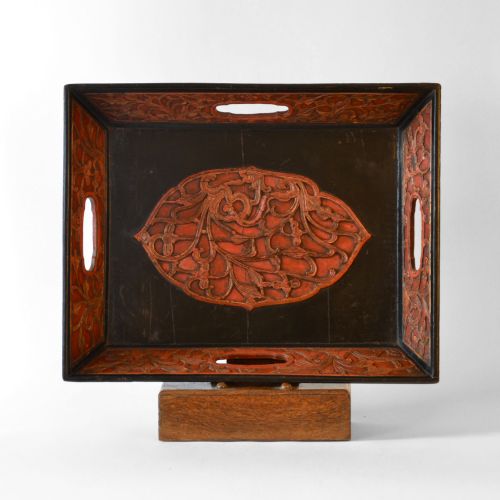
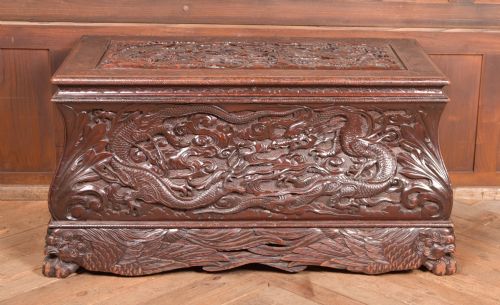
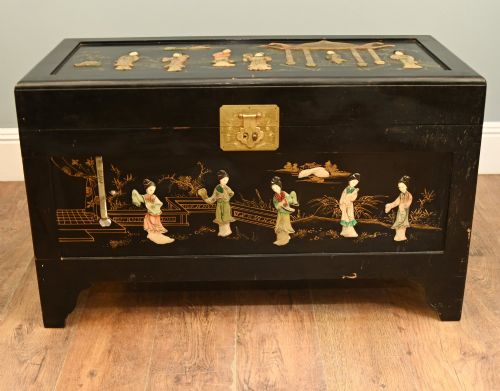
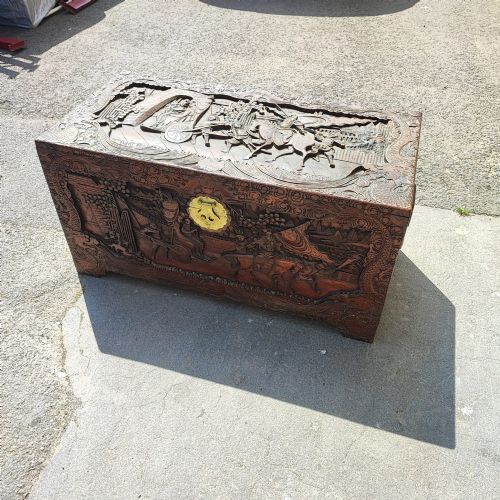
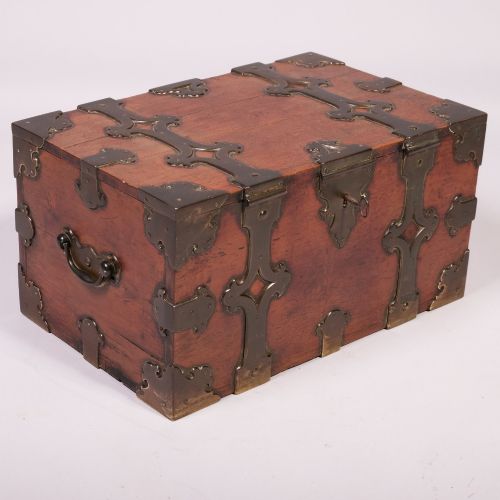
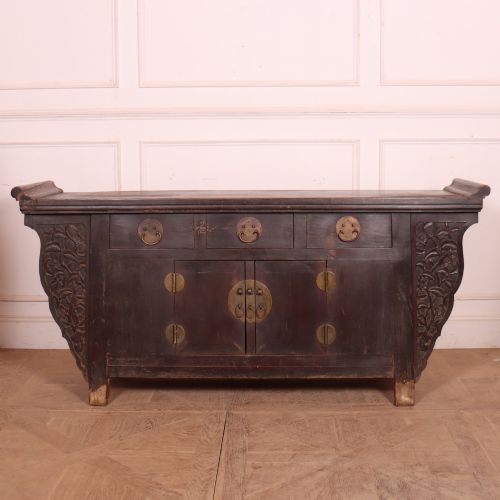
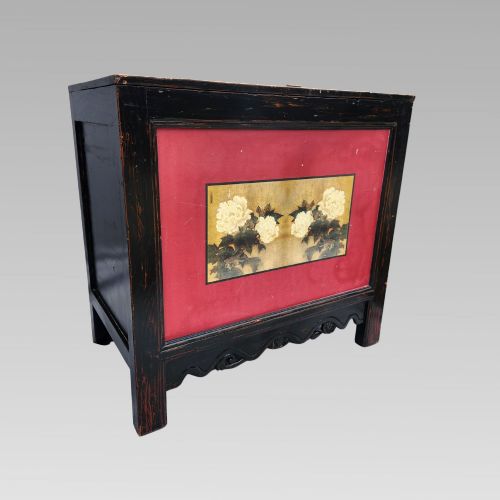
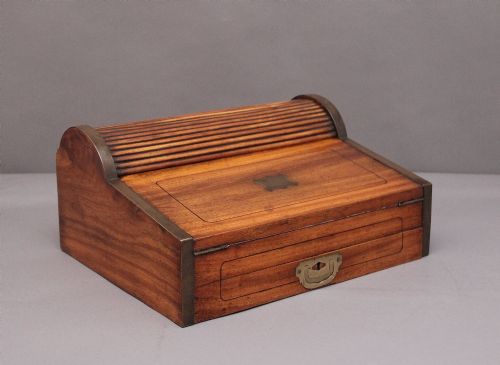
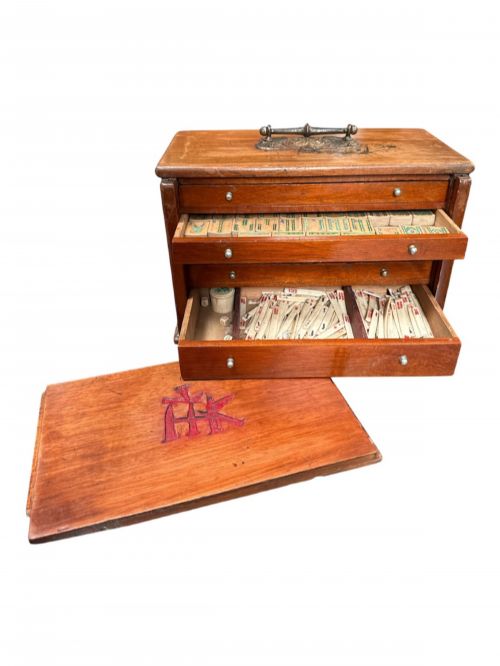
Chinese wood boxes encompass a diverse selection of storage vessels, ranging from small tea caddies and writing slopes to large camphor wood chests, trunks, and blanket boxes.
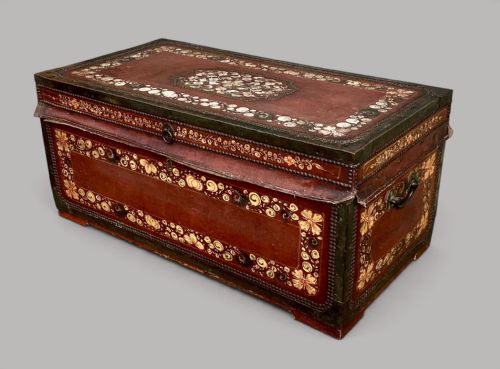
The pieces on this page originate from various periods including the eighteenth century, the nineteenth century, and the early twentieth century, reflecting both traditional domestic items and items made for export.
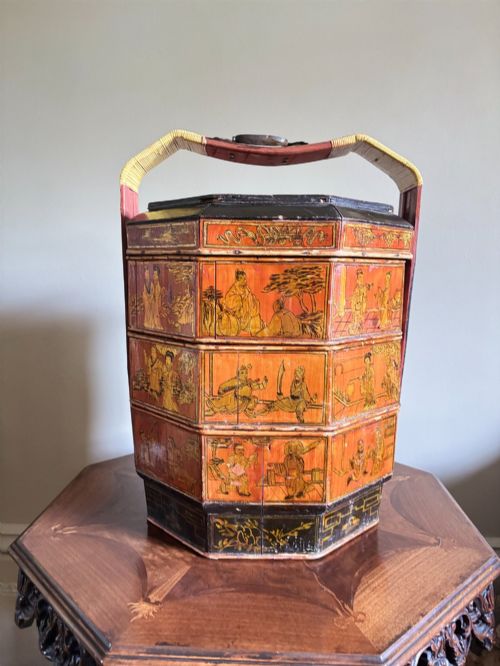
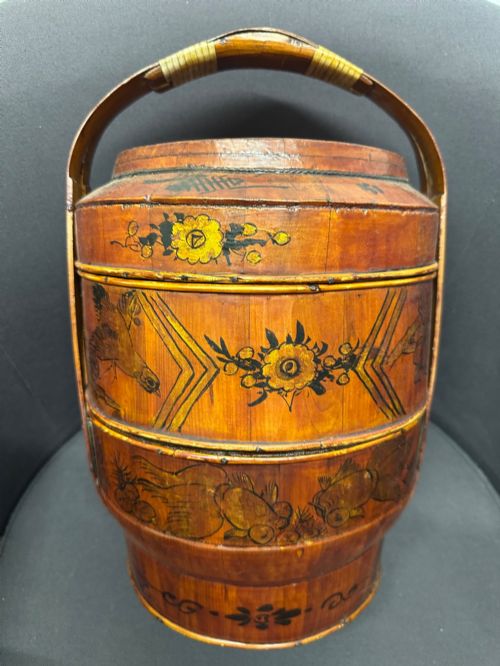
Buyers frequently encounter camphor wood trunks alongside red or black lacquered wedding chests and dowry baskets, representing the primary forms surviving from these eras.
How they were made
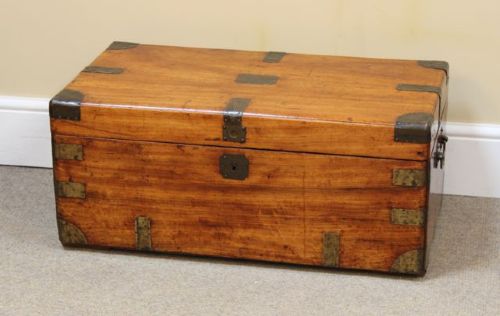
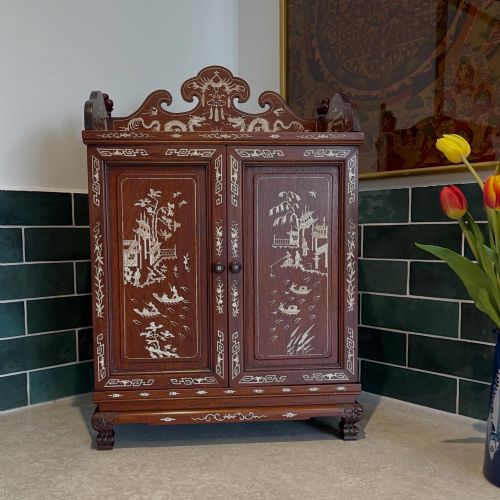
Craftsmen utilised aromatic camphor wood, elm, rosewood, and hardwood, often pairing the timber with brass mounts, leather coverings, or delicate mother of pearl inlay.
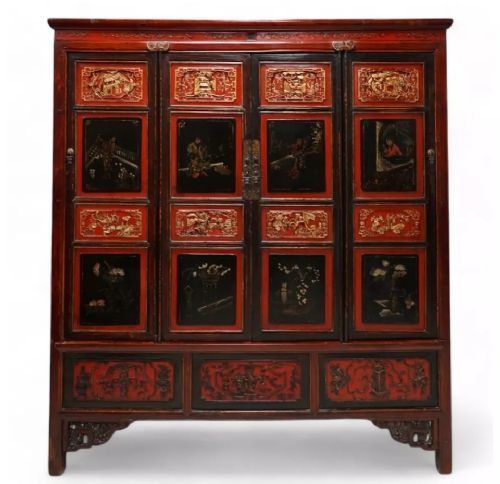
Surface decoration frequently involved intricate hand carving, painted polychrome finishes, or layers of red and black lacquer applied to cofferes and storage boxes.
Joinery methods prioritized durability for transport and daily use, combining tight-fitting wooden panels with metal hardware to secure lids and corners.
Chinese Wood Boxes Retail Price Guide 2026
Typical asking prices for chinese wood boxes among the pieces listed under this phrase on Sellingantiques today, from the lower quarter to the upper quarter. They describe what is for sale here now, not the wider market.
Camphor wood trunks retain their distinct herbal aroma across the centuries, acting as a built-in time capsule every time you lift the lid.
What varies in quality
The depth and precision of hand carving distinguish superior trunks and caskets from simpler utilitarian containers.
The preservation of original lacquer, painted surfaces, and brass fittings determines the integrity of an antique piece.
Selection of timber, such as figured hardwoods or well-seasoned camphor wood, separates standard regional items from high-grade export examples.
The Chinese Wood Boxes Glossary
- Camphor wood
- An aromatic timber frequently utilised for trunks and blanket boxes due to its insect-repellent properties. It provides a distinct scent and durable structure.
- Lacquer
- A durable resin finish applied in multiple layers to wood surfaces, often creating a smooth red or black ground for painted decoration.
- Coffer
- A heavy wooden chest traditionally used for storing valuables, documents, or textiles. These pieces often feature reinforced corners and secure lids.
- Tea caddy
- A small container designed specifically to store loose tea leaves, often featuring fitted compartments and secure locking mechanisms.
- Dowry basket
- A multi-tiered vessel traditionally used during marriage ceremonies to transport gifts and personal items. They commonly feature red lacquer and carrying poles.
Chinese Wood Boxes: Frequently Asked Questions
What were Chinese wood boxes used for?
These containers served practical functions in households and trade, holding clothing, blankets, tea, documents, and personal valuables.
Larger chests often protected textiles from insects due to the natural properties of camphor wood, while tiered baskets and caddies organised food or luxury goods.
How do I care for antique camphor wood?
Keep the wood away from direct heat sources and strong sunlight to prevent the timber from drying out or splitting.
Occasional dusting with a soft, dry cloth maintains the surface without the need for heavy chemical polishes.
How can I tell the period of a chest?
Examine the hardware, joinery methods, and surface treatments, comparing them against documented examples from the eighteenth, nineteenth, and early twentieth centuries.
Export pieces often display specific decorative motifs and construction styles adapted for Western markets during the Qing Dynasty.
Where should I place a storage box at home?
Large trunks and coffers function effectively as coffee tables in living areas or as blanket storage at the foot of a bed.
Smaller caskets and writing boxes suit tabletops, sideboards, or display shelves where their detailed carvings and lacquer work remain visible.