



Chinese Watercolor Paintings
Chinese watercolor paintings bring vibrant pigments and delicate brushwork to paper, silk, and pith, offering a direct window into historical workshops.
Chinese Watercolor Paintings
When you search for Chinese watercolor paintings, you encounter works spanning the eighteenth century through the mid-twentieth century, with nineteenth-century examples appearing most frequently.
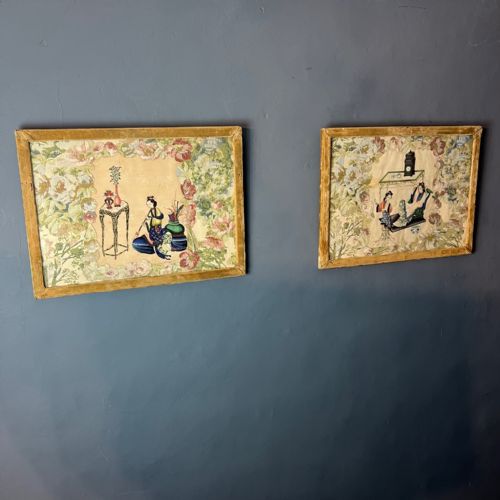
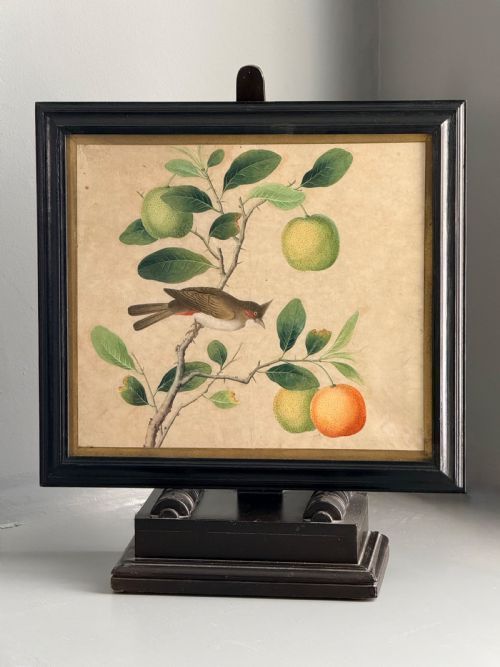
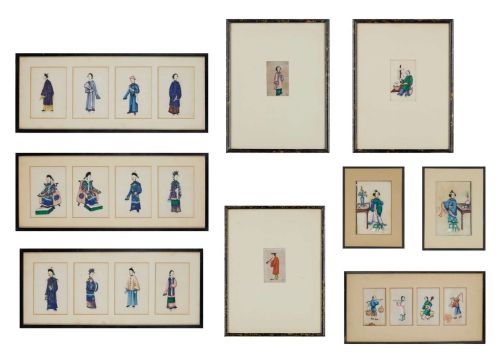
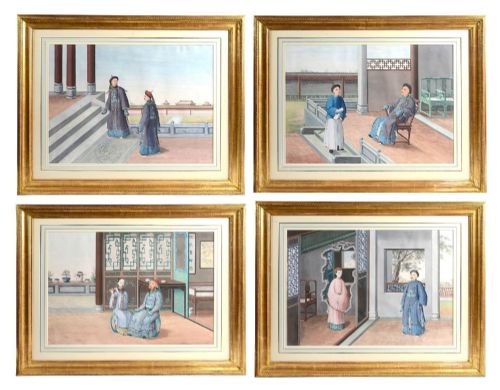
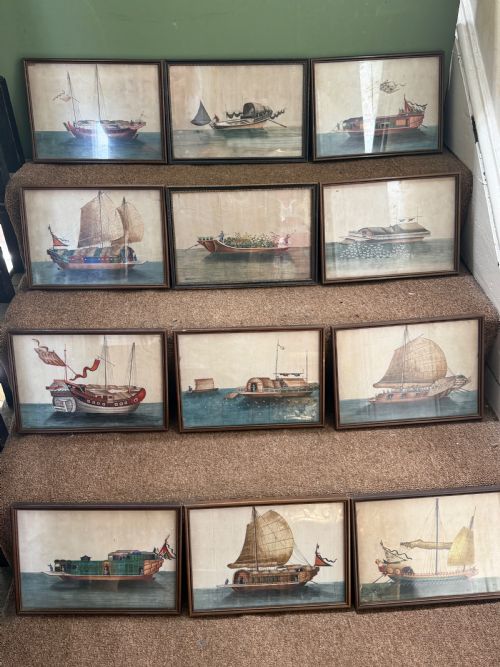
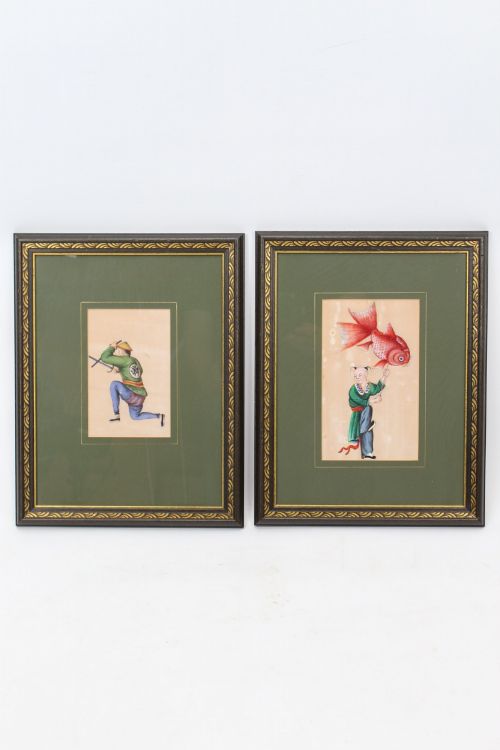
The selections range from single framed sheets to sets of pith paper paintings depicting figural scenes, butterflies, insects, junks, and ships.
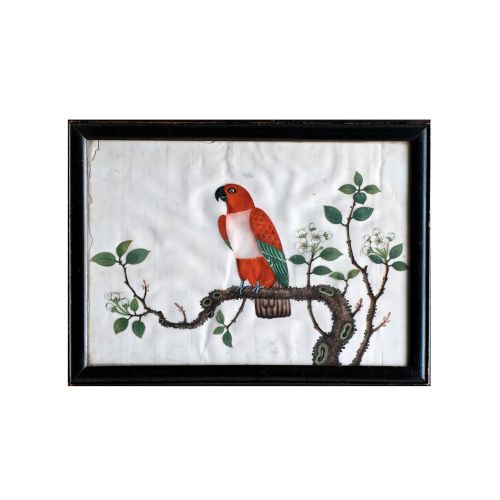
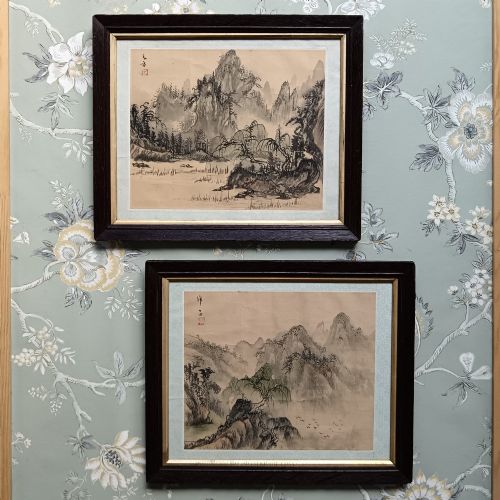
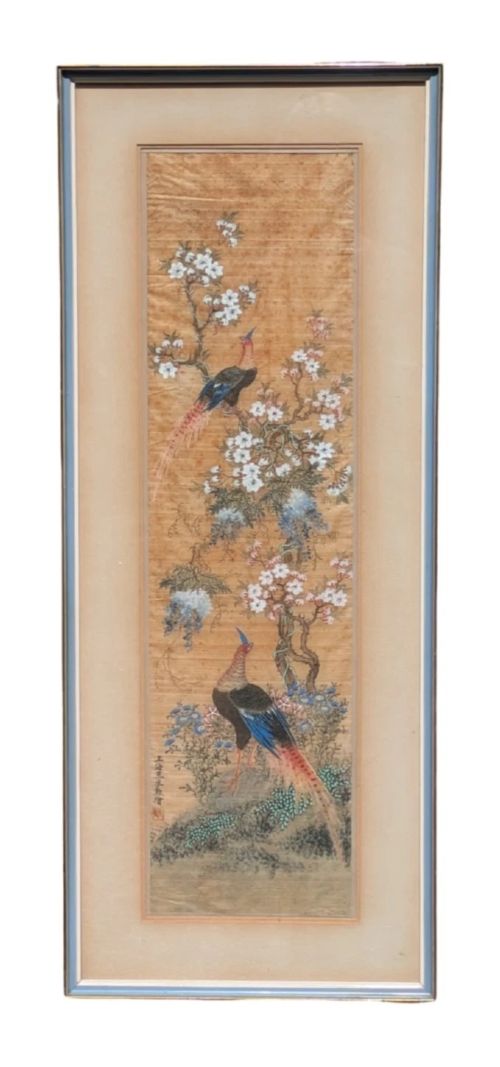
You will also find silk paintings featuring Shan Shui landscapes, birds, and plum blossoms, alongside albums containing signed ink and watercolor sketches.
Variations in quality
Quality rests upon the precision of the brushwork and the preservation of the pigments across fragile media such as pith paper.
Completeness alters the character of a piece, separating dispersed sheets from intact sets and intact albums bearing original artist signatures and seals.
Chinese Watercolor Paintings Retail Price Guide 2026
Typical asking prices for chinese watercolor paintings among the pieces listed under this phrase on Sellingantiques today, from the lower quarter to the upper quarter. They describe what is for sale here now, not the wider market.
Several sets capture tiny butterflies, insects, and junks drifting across fragile sheets.
The Chinese Watercolor Paintings Glossary
- Pith paper
- A delicate material formed from the spongy interior of Tetrapanax papyrifer stems, commonly used for nineteenth-century export paintings.
- Gouache
- An opaque water-based medium that provides dense colour and fine detail on paper or pith.
- Shan Shui
- A traditional style of painting featuring scenery such as mountains, rivers, and waterfalls, typically rendered on silk or paper.
- Album
- A bound book format used to preserve collections of sketches, ink, and watercolor paintings alongside artist stamps and seals.
Chinese Watercolor Paintings: Frequently Asked Questions
What is pith paper?
Pith paper is a delicate organic material harvested from plant stems rather than pressed from wood pulp or rags. It absorbs water-based pigments to produce a velvety surface texture.
Artists during the nineteenth century utilised this fragile medium extensively for export art depicting local figures, flora, fauna, and maritime vessels.
How should I frame these works?
Works on paper, silk, and pith require careful framing behind glass to prevent atmospheric damage and physical disruption of the delicate pigments.
Conservation mounting ensures the fragile supports remain stable without direct contact with the glazing material.
Are these paintings signed?
Some pieces feature visible signatures, artist stamps, or red seals, particularly works originating from mid-century albums or specific silk paintings.
Many export works from the nineteenth century remain unsigned, as they were produced in studio workshops catering to international trade.
How do I distinguish periods?
Dating relies on stylistic markers, framing types, and the specific support materials used, such as nineteenth-century pith paper versus mid-century album leaves.
Earlier eighteenth and nineteenth-century examples often reflect export trade conventions, while later twentieth-century works display individual artist seals and varied presentation formats.