
Chinese Urn Table
A chinese urn table brings carved hardwood and inset marble together to elevate a ceramic vessel or light a room.
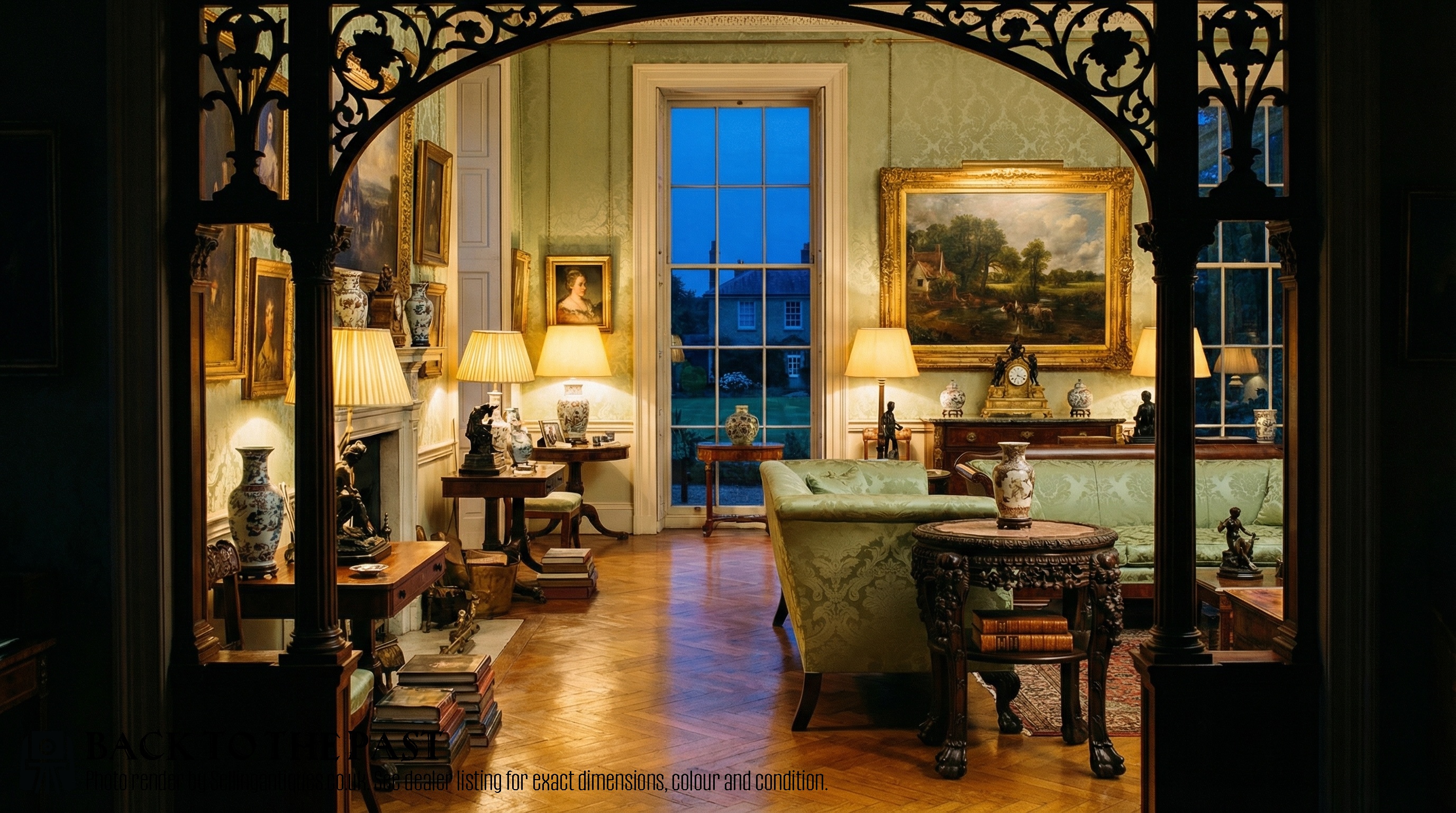
Chinese Urn Table
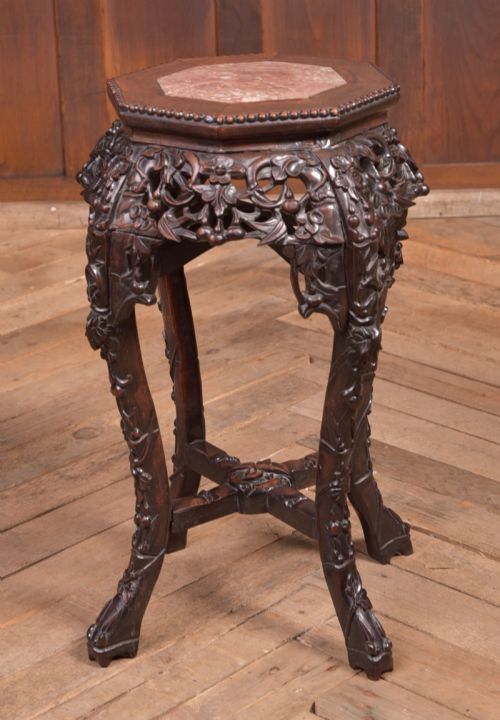
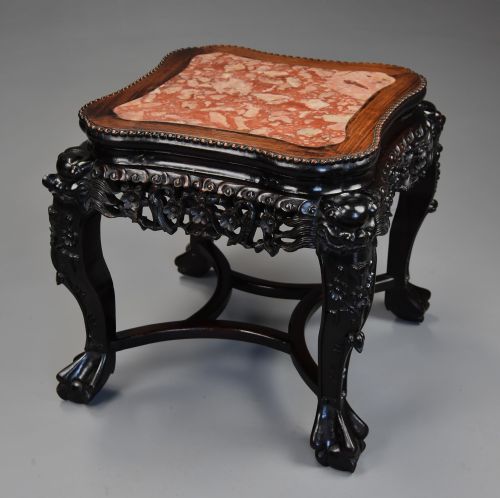
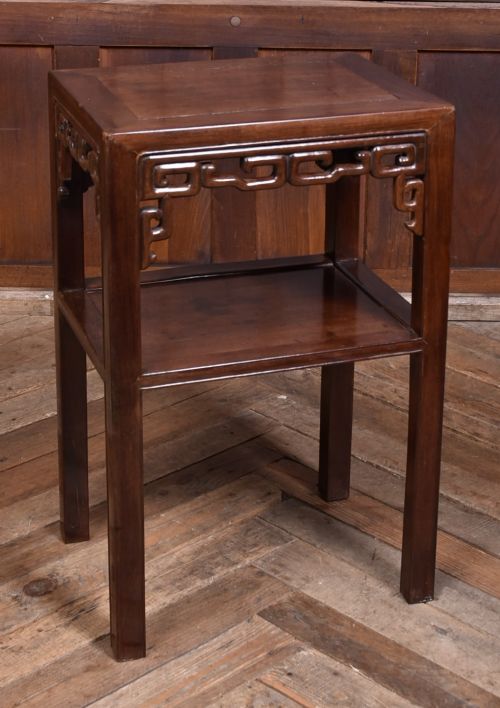
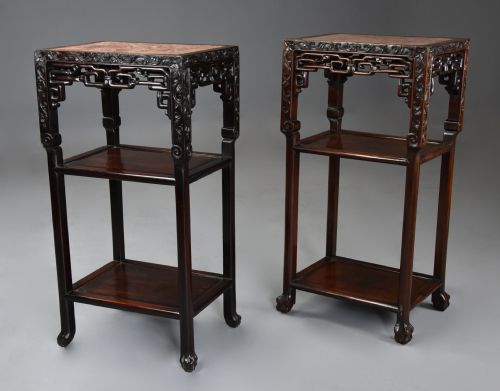
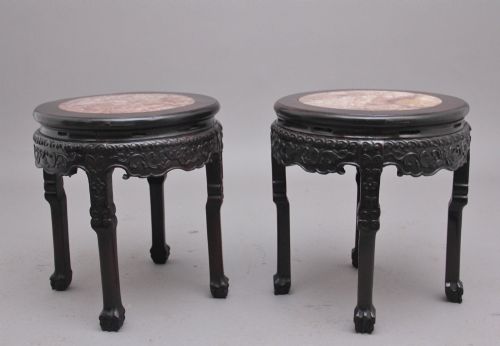
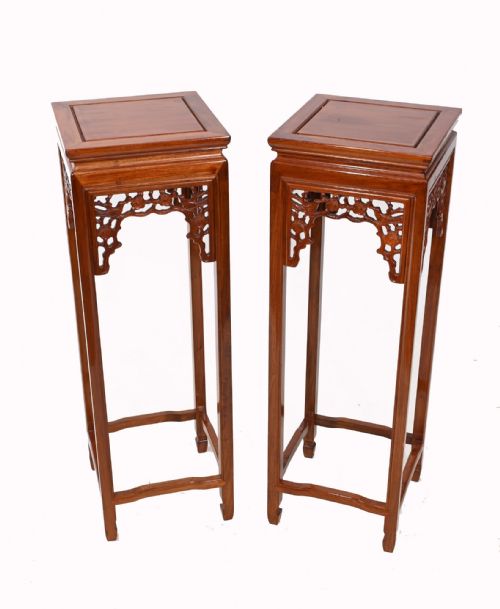
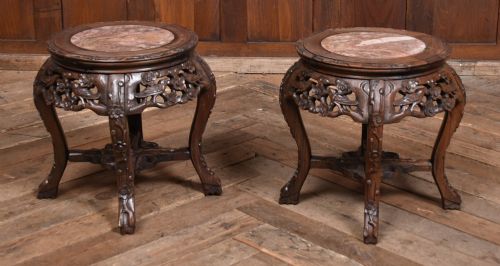
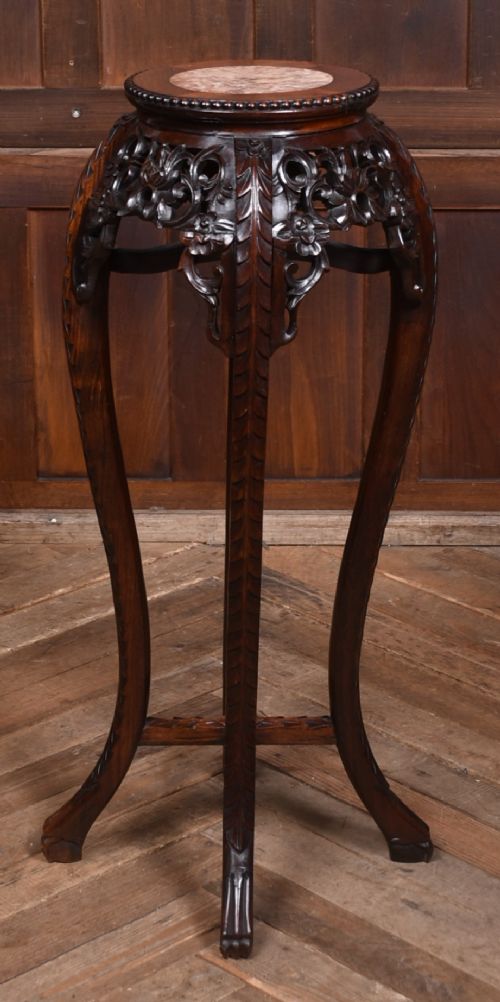
A chinese urn table appears in forms such as low plant stands, occasional tables, jardiniere stands and pedestal tables. These pieces emerge predominantly from the nineteenth century, including Qing Dynasty and Victorian periods, alongside eighteenth-century examples.
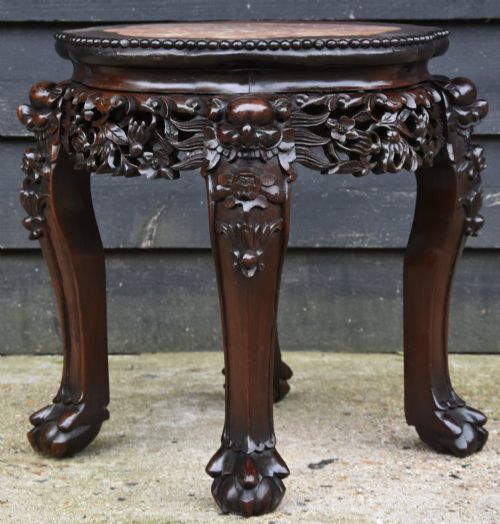
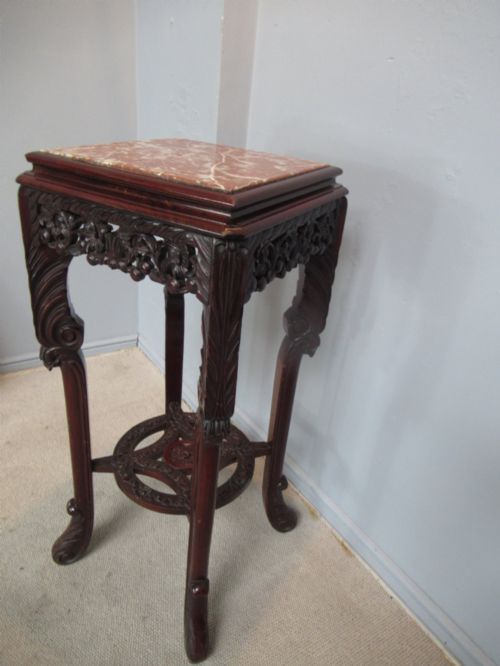
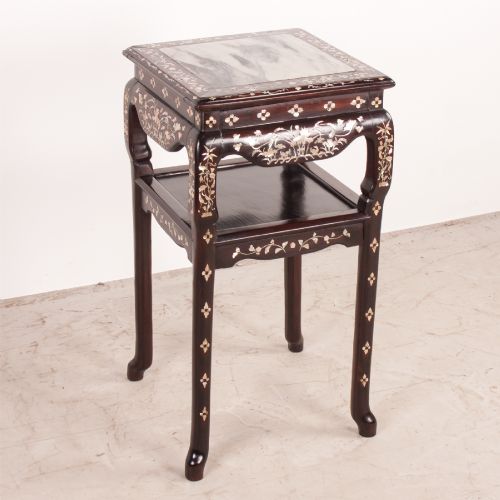
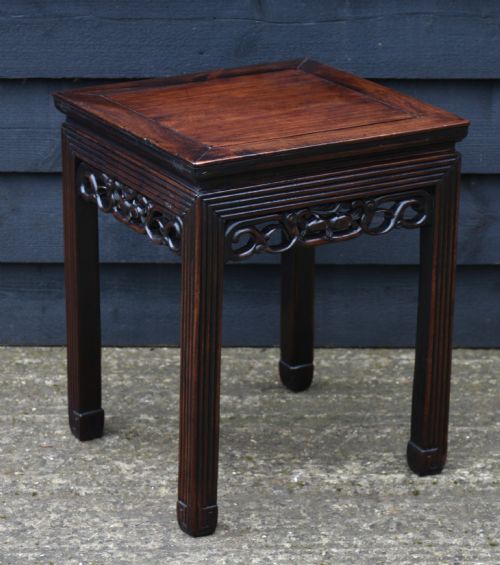
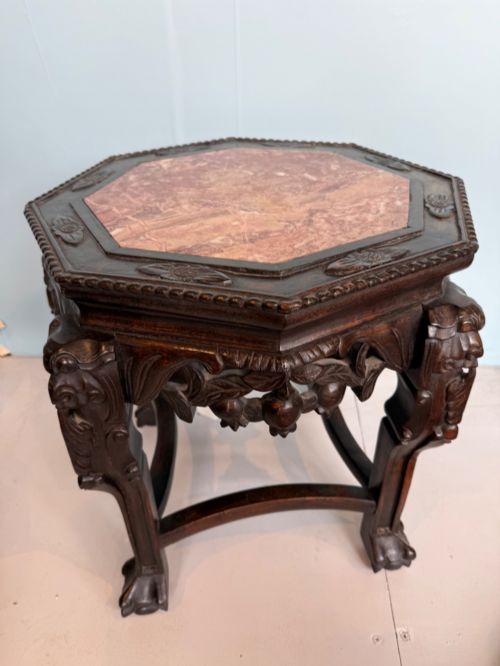
The most common version met on this page is a hardwood stand featuring an inset marble top, shaped aprons, and carved framing designed to support heavy ceramics or urns.
Evaluating Construction
The weight and selection of the timber distinguish the construction, with dense rosewood and padouk offering superior structural integrity compared to lighter secondary woods. The depth, crispness and definition of the hand-carving along the aprons and legs separate standard production from finer cabinet work.
The figuring and polish of the inset marble top, alongside the precision of its fit within the wooden frame, indicate the standard of production. Matched pairs and pieces retaining original patination command greater interest among collectors.
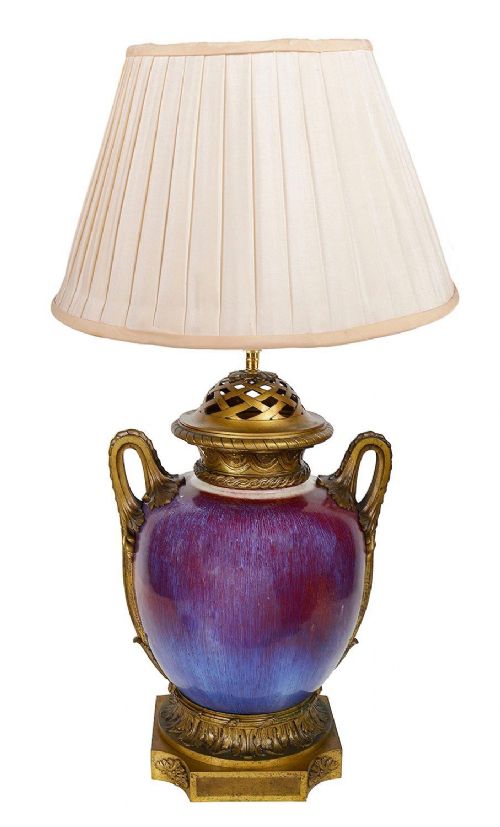
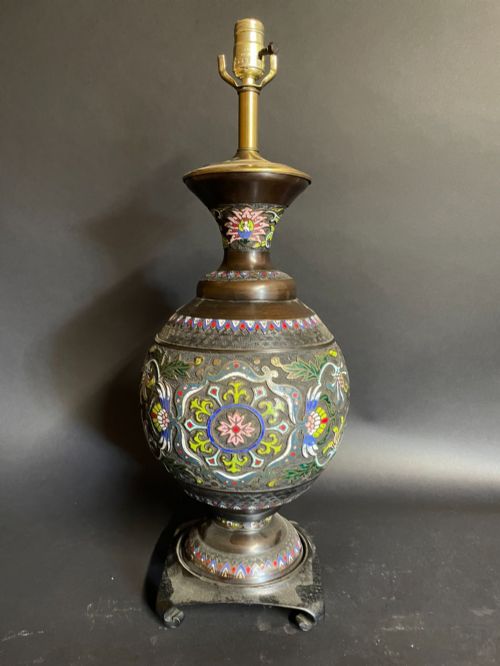
Listings feature items spanning the 18th century, Victorian era, and 19th century, utilising hardwood, marble, porcelain, and bronze.
The Chinese Urn Table Glossary
- Hongmu
- A category of dense, heavy Chinese hardwood often translated as red wood. It provides the structural backbone for nineteenth-century stands.
- Jardiniere
- A large ceramic or metal pot for holding plants or flowers. Stands specifically built for these vessels share dimensions with urn tables.
- Padouk
- A heavy, durable tropical hardwood displaying rich red or brown tones. It appears frequently in carved nineteenth-century stands.
- Rouge marble
- A type of decorative stone with deep red and white veining. It is commonly found inset into the tops of Chinese hardwood tables.
Chinese Urn Table: Frequently Asked Questions
What is a chinese urn table used for?
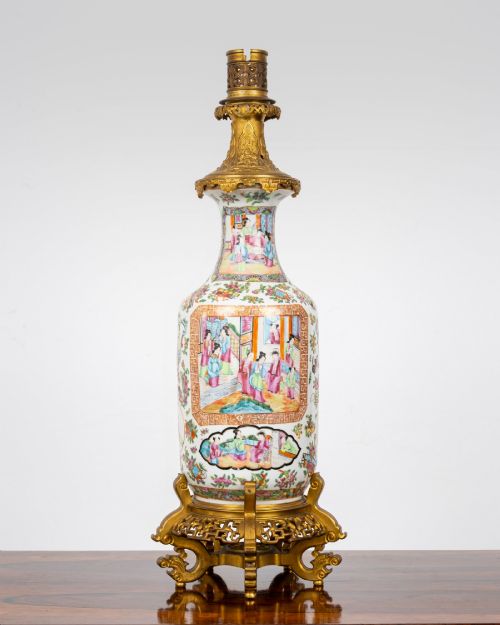
These pieces function primarily as elevated surfaces for heavy porcelain vases, urns, or bronze lamps. Their sturdy frames provide stable support for display items in principal rooms.
They also serve as occasional tables, side tables, or plant stands within domestic interiors, holding smaller decorative objects.
How do I identify the period of a stand?
Nineteenth-century pieces often display deep hand-carving in rosewood or padouk combined with inset marble tops. Examining the joinery and timber density helps distinguish these from later reproductions.
Reference points include Qing Dynasty styling, Victorian import records, and the specific patination accumulated on the wooden surfaces over generations.
Can these tables support heavy lamps?
The dense hardwoods used in construction provide exceptional structural strength. Many pieces were originally built to bear the considerable weight of large ceramic vessels and urns.
Modern table lamps, bronze figures, or heavy ceramic bases sit securely on the flat marble or wooden tabletops without straining the frame.
How should I clean the marble top?
Marble inserts require gentle maintenance using a soft, damp cloth without harsh chemical detergents. Protecting the polished stone from prolonged moisture prevents staining.
The surrounding hardwood benefits from occasional treatment with appropriate furniture wax to preserve the natural grain and finish.