


Chinese Temple Guardians
Chinese temple guardians are powerful sculptural protectors in wood, stone, bronze, and ceramic that dominate a space with ancient protective energy.
Chinese Temple Guardians
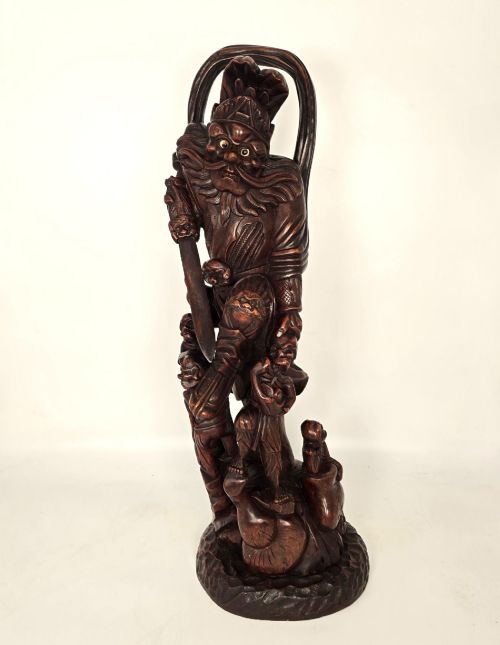
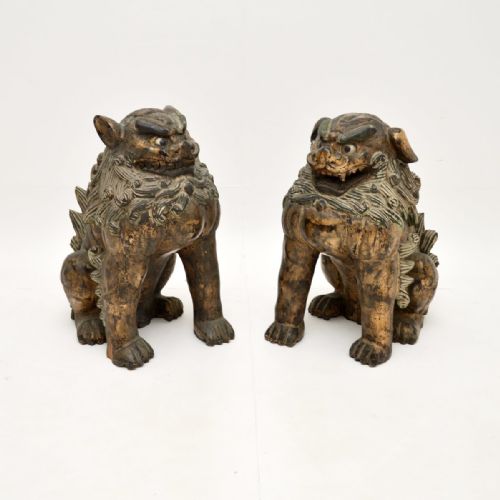
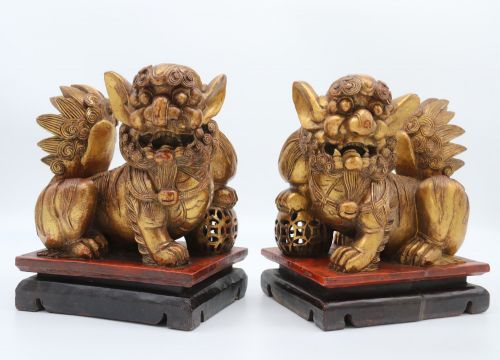
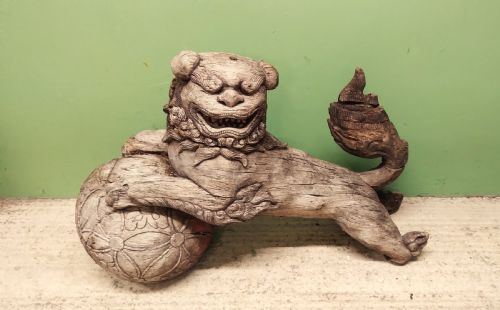
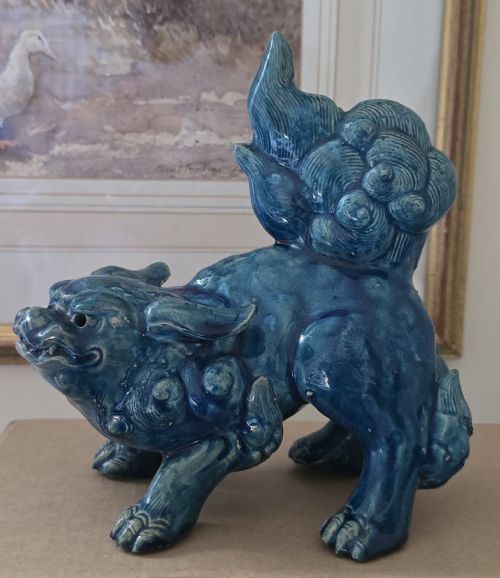
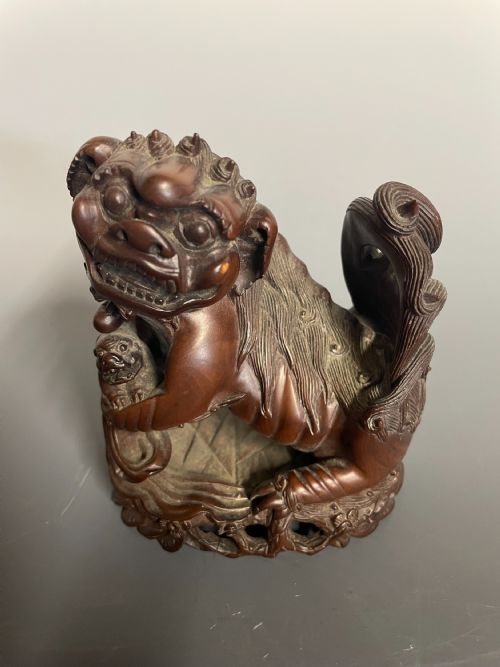
Chinese temple guardians encompass formidable figures such as Guardian Kings, Lokapala, Zhenwu, and the ubiquitous Foo Dogs, also known as Buddhist lions or Shishi. These pieces originated as sacred protectors for spiritual sanctuaries, palaces, and tombs before entering domestic collections as decorative figures and statues. When searching for Chinese temple guardians, you encounter pairs of symmetrical lion dogs alongside towering individual warrior sculptures.
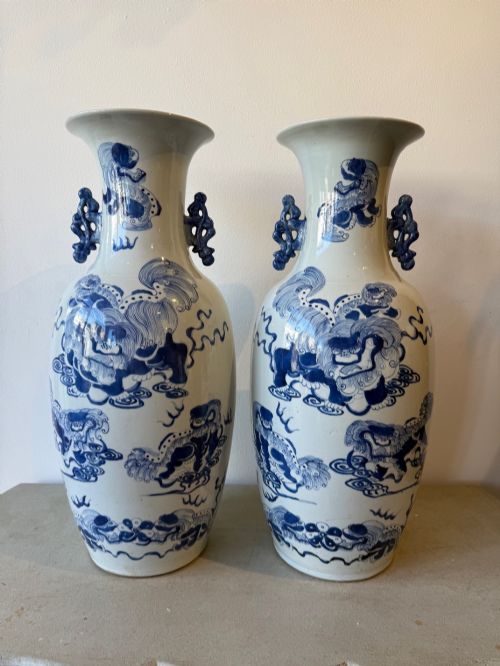
The materials span carved hardwood, boxwood, gilt and polychrome wood, porcelain with blue and white or pale green glazes, pottery, terracotta, cast iron, stone, and bronze. Dating stretches from the eighteenth century through the nineteenth century and into the early twentieth century, reflecting Qing Dynasty production alongside Japanese Meiji period examples and European Chinoiserie interpretations. Most pieces surface as monumental statues or substantial pairs intended for commanding placement.
The visual vocabulary ranges from fierce, muscular guardian kings with dynamic stances to playful yet commanding Foo dogs with open mouths and intricate manes. Sculptural forms include decorative figures, ceramic sculptures, and large-scale architectural elements designed to ward off malevolent spirits. This selection brings together centuries of skilled sculptural output from various Asian traditions.
Materials and Construction
Wood carvers utilised dense hardwoods, boxwood, and structural timber, often applying gilt, lacquer, and polychrome pigments over the carved surface to enhance expression and detail. These wooden guardians showcase deep relief carving for manes, armour, and flowing robes, requiring significant technical skill from the artisan.
Ceramic and porcelain guardians rely on specialised moulding and throwing techniques before receiving detailed hand-painted enamels, blue and white pigments, or turquoise and pale green glazes. Potters fired these figures in kilns such as the Shiwan kilns to achieve durable finishes and lustrous surface textures.
Metalworkers employed bronze casting methods to create heavy temple lions, sometimes finishing the metal with applied gilding. Stone and terracotta workers shaped durable earthly materials into lasting architectural guardians meant to withstand the elements outside temple gates.
Listings feature guardian sculptures spanning the eighteenth, nineteenth, and early twentieth centuries, created in wood, porcelain, bronze, stone, and pottery.
Assessing Quality and Execution
The integrity of the original surface finish dictates desirability, particularly in pieces retaining authentic gilding, polychrome paintwork, or complex ceramic glazes. Patination earned through age on wood and bronze adds depth that hasty restorations or modern repainting obscure.
Scale and ambition separate standard decorative objects from monumental works, with larger, heavier sculptures requiring exceptional engineering during the original manufacturing process to support the weight of the wood, stone, or bronze.
The Chinese Temple Guardians Glossary
- Foo Dog
- A traditional Chinese guardian lion, also known as a Shishi or Buddhist lion, placed outside temples to ward off evil. They frequently appear in pairs representing yin and yang.
- Lokapala
- A Heavenly King or guardian deity depicted in imposing armour, tasked with protecting one of the four cardinal directions. These figures stand as powerful examples of monumental temple sculpture.
- Shishi
- A Japanese term for stone lion, denoting guardian lion figures created during periods like the Meiji era. These pieces share stylistic roots with Chinese temple lions.
- Zhenwu
- A powerful martial deity and Daoist god often represented as a temple guardian in imperial Chinese art. Sculptures of this figure emphasise divine authority and protective power.
- Shiwan
- A historic ceramic production centre in Guangdong province known for expressive pottery figures and distinctive glazes. Pieces from these kilns often display rich colour variations.
Chinese Temple Guardians: Frequently Asked Questions
What is a Foo Dog?
A Foo Dog is a traditional guardian lion originating in China, designed to protect sacred spaces and homes from harmful influences.
Despite the name, these mythical creatures resemble stylized lions rather than canine pets, traditionally displayed as male and female pairs.
Where were temple guardians placed?
Original guardians stood outside temple gates, imperial palaces, tombs, and administrative halls to act as spiritual sentinels.
In domestic settings, smaller pairs typically flank entryways, fireplaces, or prominent display surfaces to command the room.
How do I date a guardian?
Dating relies on examining the tool marks, wood shrinkage, ceramic glaze chemistry, and stylistic markers characteristic of periods like the Qing Dynasty.
Wear patterns, the composition of underlying materials, and traditional construction methods also help establish the approximate age of a piece.
Are they always made of wood?
Temple guardians appear in a wide variety of materials including bronze, stone, porcelain, terracotta, pottery, and cast iron.
The choice of material often depended on whether the guardian was destined for an interior altar or an exterior gateway.