


Chinese Style Vases
Chinese style vases bring centuries of vibrant ceramic tradition and metalwork into domestic spaces, prized for rich glazes and intricate painted motifs.
Chinese Style Vases
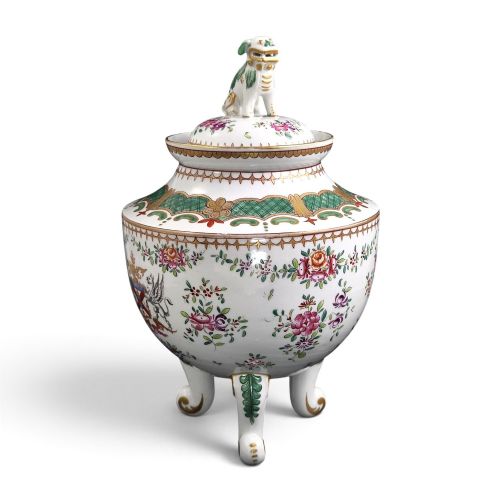
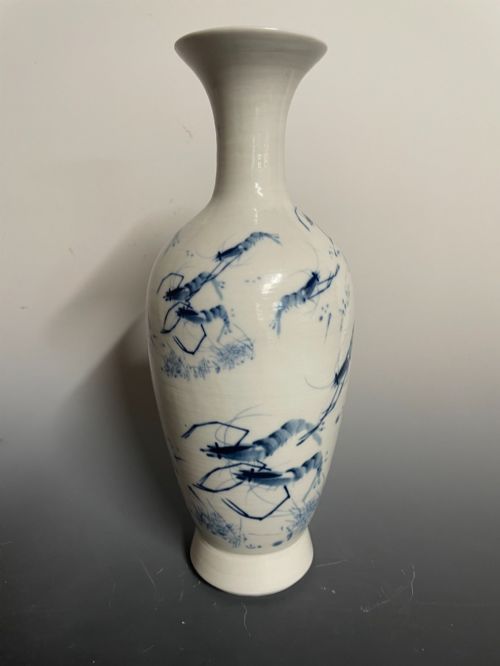
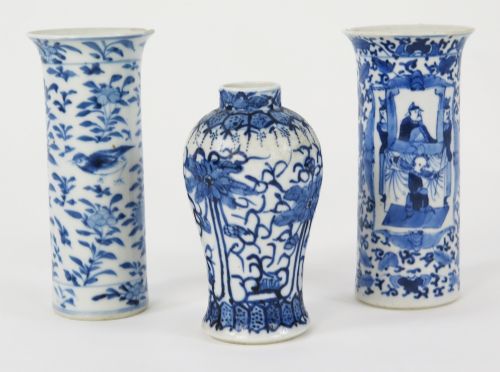
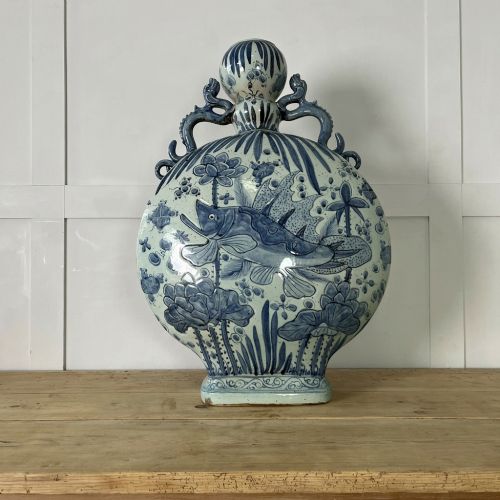
Chinese style vases encompass a diverse range of decorative vessels, table lamps, and lidded urns originating from various historical periods, notably the nineteenth and eighteenth centuries. These pieces frequently manifest in classic forms such as bottle vases, moon flasks, ginger jars, and beaker shapes designed in styles like blue and white, famille rose, and Chinoiserie.
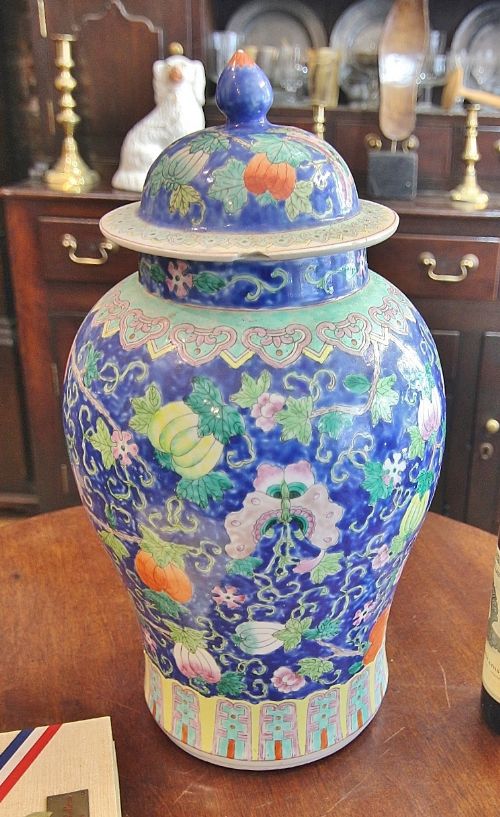
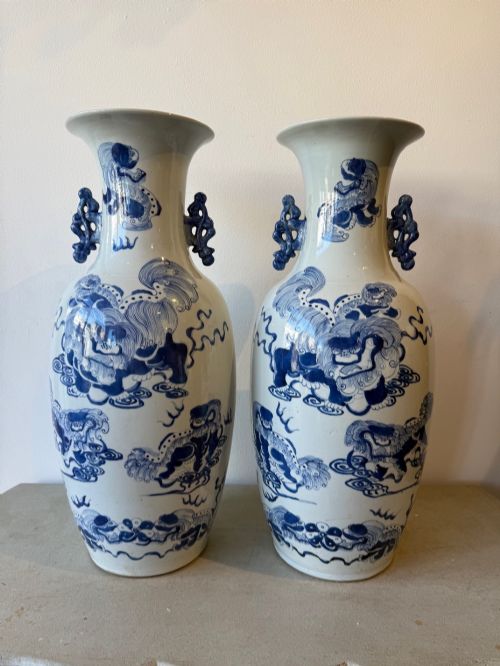
Buyers encountering this selection will predominantly find nineteenth-century porcelain and bronze works alongside later adaptations from the early twentieth century. Many of these vessels incorporate traditional motifs, including dragons, figural ladies, and botanical patterns executed in cobalt glaze, enamel, or underglaze blue.
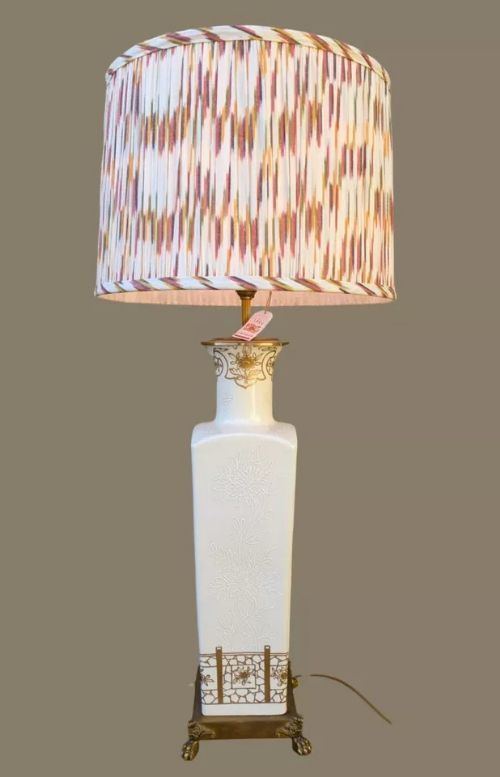
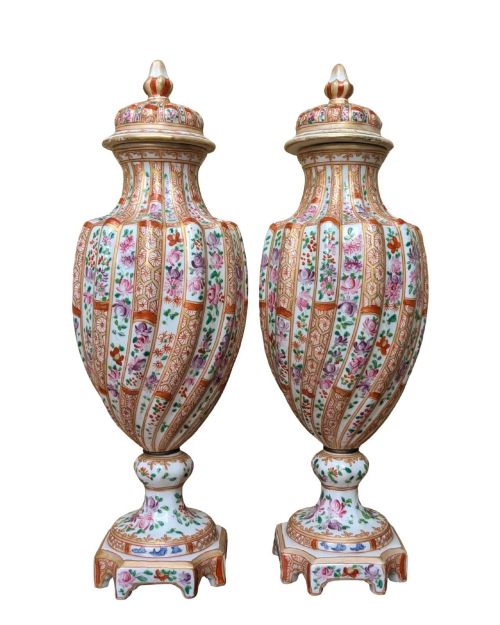
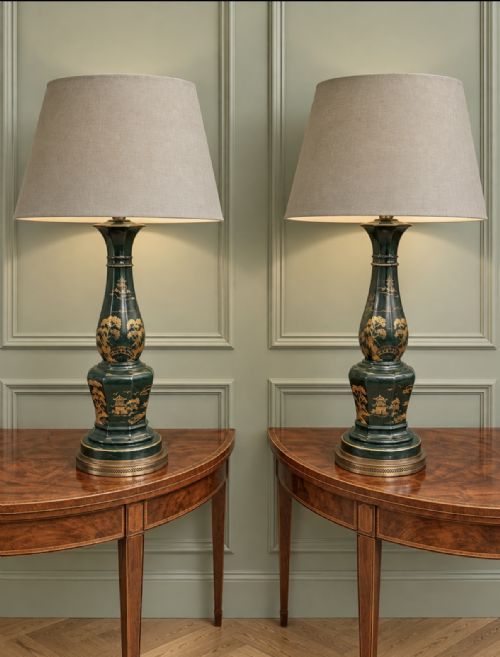
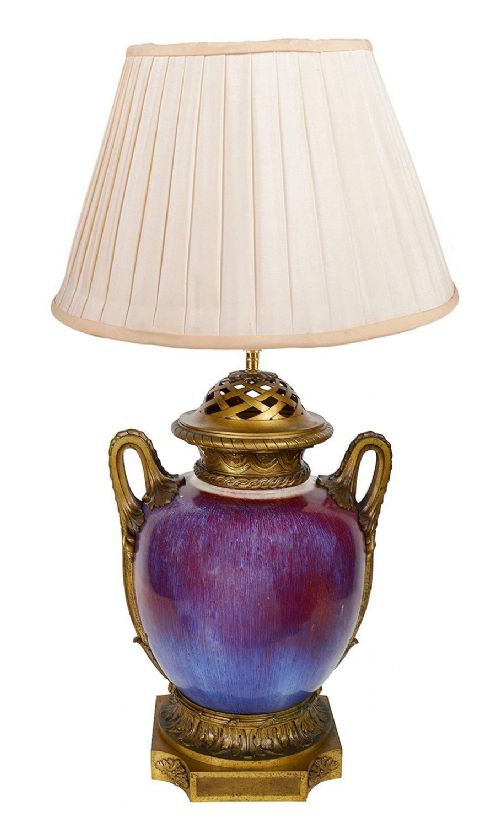
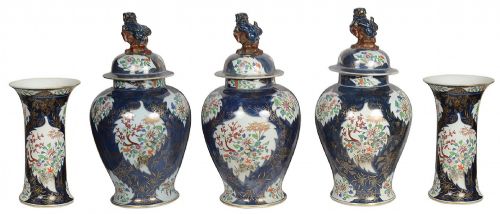
The assortment extends beyond standard vessels to include paired decorative items and utilitarian conversions like lamp bases mounted on brass or paired with hardwood stands. Such variations reflect both original decorative functions and subsequent nineteenth-century European adaptations of Eastern aesthetic forms.
Materials and Techniques
Porcelain serves as the primary medium, shaped into delicate bottle vases, ginger jars, and moon flasks adorned with cobalt glaze, famille rose enamels, and famille verte pigments. Artisans utilised precise wheel-throwing and moulding techniques to achieve symmetrical bodies capable of supporting complex pictorial narratives and floral compositions.
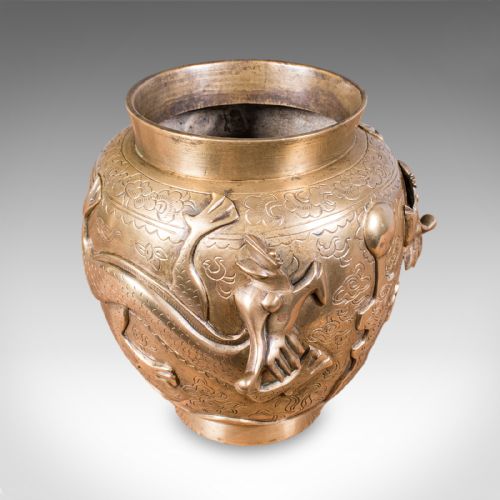
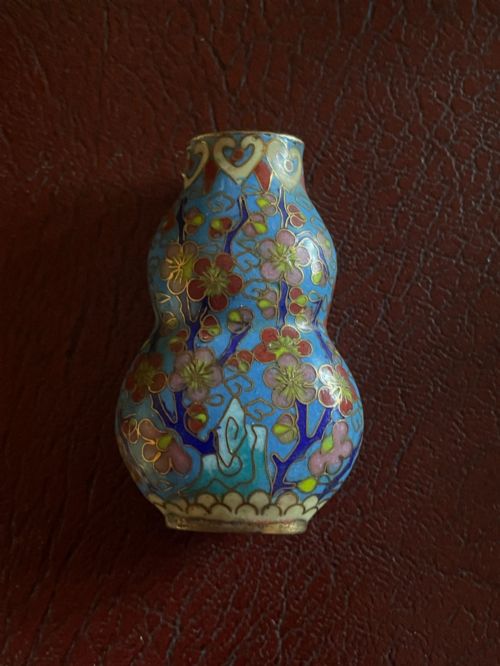
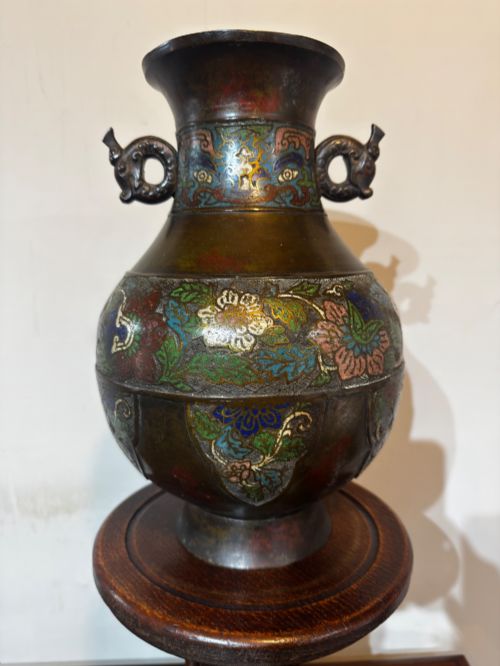
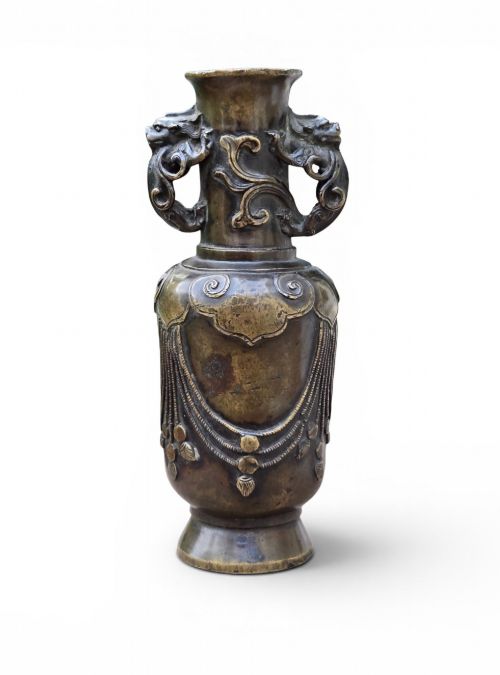
Metalworking traditions complement ceramic production through the creation of bronze, brass, and copper vessels utilising techniques such as champleve enamel and intricate casting. Artisans rendered dragon motifs, archaic script, and symbolic adornments with high dimensional precision, often incorporating hand-chased details.
Support elements incorporate organic materials including hardwoods and marble utilised for plant stands and lamp bases, alongside gilded or patinated ormolu mounts. These mixed-media assemblages demonstrate the integration of skilled carpentry and metal-mounting applied to imported ceramic bodies.
Chinese Style Vases Retail Price Guide 2026
Typical asking prices for chinese style vases among the pieces listed under this phrase on Sellingantiques today, from the lower quarter to the upper quarter. They describe what is for sale here now, not the wider market.
Some dragons on these vases manage to look remarkably fierce while simultaneously guarding a domestic lightbulb.
Evaluating Quality
Quality differentiates itself through the crispness of the painted detail and the depth of the glaze, whether in the cobalt blue of a nineteenth-century ginger jar or the rich tones of a sang de bouef surface. Superior examples display controlled brushwork and harmonious colour application that command visual attention across the entire vessel body.
The refinement of the physical form and the integrity of associated mounts, such as bronze handles or ormolu fittings, establish higher tiers within the selection. Pieces that retain original pedestals, covers, or harmonious material pairings demonstrate superior craftsmanship from workshop origins.
Edme Samson·Samson Paris
The Chinese Style Vases Glossary
- Famille Rose
- A prominent palette of opaque enamel colours introduced in Chinese ceramics, characterised by a predominant pink or rose hue derived from colloidal gold. This technique allowed artists to paint delicate floral and figural scenes with subtle tonal gradations.
- Chinoiserie
- European decorative style reflecting Chinese artistic influences, prevalent in furniture, ceramics, and interior design from the seventeenth century onward. It interprets Eastern motifs through a distinct Western aesthetic lens.
- Moon Flask
- A flattened circular ceramic vessel with a short neck and small handles, also known as a pilgrim flask. This traditional form provides a wide planar surface well suited for intricate painted decoration.
- Gu
- An archaic style of ritual bronze or ceramic beaker vessel featuring a flared trumpet mouth and a slender central section. Nineteenth-century makers frequently revived this ancient shape in blue and white porcelain.
- Sang de Boeuf
- A deep red copper-glaze developed in Chinese kilns, translating literally as ox-blood. The rich colour varies in tone across the ceramic body depending on kiln temperature and oxidation.
Chinese Style Vases: Frequently Asked Questions
What defines Chinese style vases?
These vessels are defined by traditional Asian ceramic and metalworking forms, including ginger jars, bottle vases, and ritual shapes produced across various centuries. They utilise distinct decorative vocabularies such as blue and white painting, famille rose enamels, and bronze casting.
Many examples reflect historical trade patterns and European interpretations of Eastern aesthetics, such as Chinoiserie. Their construction ranges from delicate porcelain bodies to substantial cast bronze work.
How were these vases utilised historically?
Historically, these vessels served as ornamental display items within elite interiors, often arranged as garnitures on mantelpieces or architectural ledges. Lidded jars and urns also functioned as functional storage containers for dry goods or aromatics.
In subsequent periods, many of these decorative objects underwent conversion into table lamps or were paired with specialised hardwood stands. This adaptation allowed traditional Asian forms to integrate into Western domestic lighting schemes.
How should one live with antique vases?
Living with these pieces involves placing them on stable surfaces away from high-traffic zones where accidental impacts might occur. Porcelain and bronze items benefit from stable indoor humidity and protection from direct, prolonged sunlight.
Electrified lamp conversions require checking modern wiring by a qualified professional to ensure safety during daily use. Regular dusting with a soft, dry cloth preserves the glazed and patinated surfaces without introducing moisture.
How do you distinguish periods and types?
Distinguishing periods relies on examining stylistic markers, potting techniques, and base marks such as apocryphal Kangxi or Qianlong seals. Nineteenth-century interpretations often exhibit distinct paste compositions and glaze characteristics compared to earlier prototypes.
Material analysis also aids identification, separating bronze and champleve metalwork from porcelain bodies like famille verte or monochrome sang de bouef. Comparing form proportions against established historical shapes clarifies the manufacturing era.