






Chinese Style Table
These Chinese style table designs bring together hardwood, lacquer, and decorative motifs across periods ranging from the eighteenth century to the twentieth century.
Chinese Style Table
A chinese style table encompasses a diverse array of forms, including coffee tables, side tables, occasional tables, nest of tables, console tables, and plant stands. These pieces emerge from periods such as the eighteenth century, nineteenth century, Victorian era, and early twentieth century.
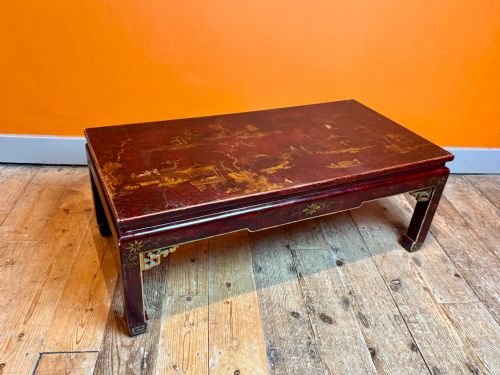
Buyers will encounter items ranging from low opium tables and altar tables to lacquer tilt-top occasional pieces and marble top stands. Styles span traditional Chinese, Qing dynasty, Chinese export, and Chinoiserie.
The selection also includes specialised variants like vase tables, kettle stands, and nested coffee tables in woods such as padouk, rosewood, huanghuali, and elm.
How They Were Made
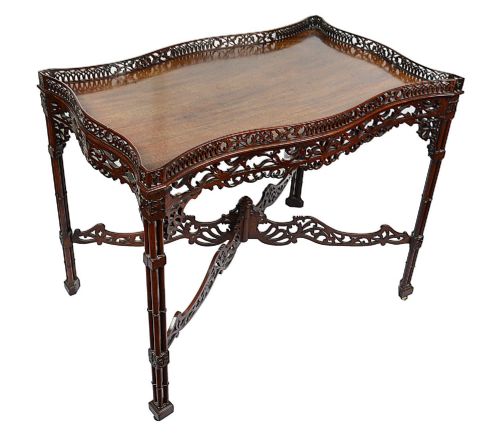
Maker construction relies heavily on dense hardwoods like padouk, rosewood, huanghuali, and mahogany, often shaped into corner leg tables, console tables, and nested sets. Joinery techniques support solid timber frames designed to hold heavy stone inserts.
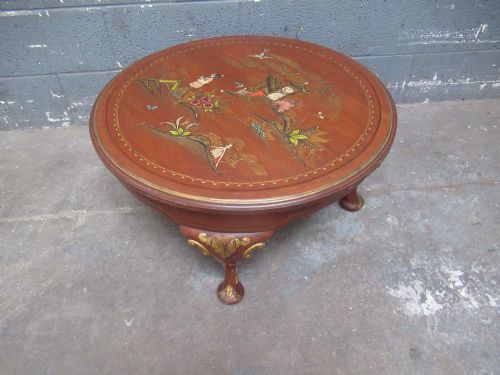
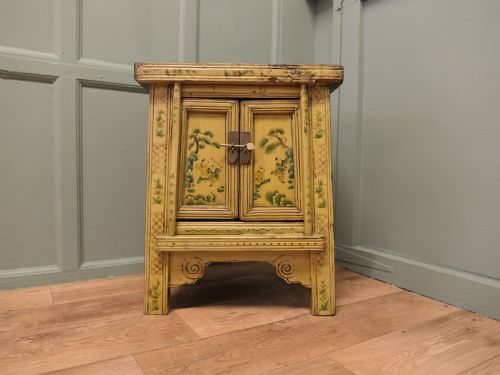
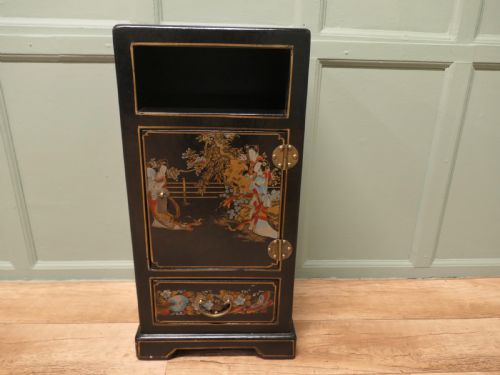
Surface decoration utilises layered lacquer in red, green, ochre, cream, and mandarin orange, alongside intricate mother of pearl inlay. Artisans incorporate brass mounts, marble tops, and hand-painted Chinoiserie motifs to finish the surfaces.
Chinese Style Table Retail Price Guide 2026
Typical asking prices for chinese style table among the pieces listed under this phrase on Sellingantiques today, from the lower quarter to the upper quarter. They describe what is for sale here now, not the wider market.
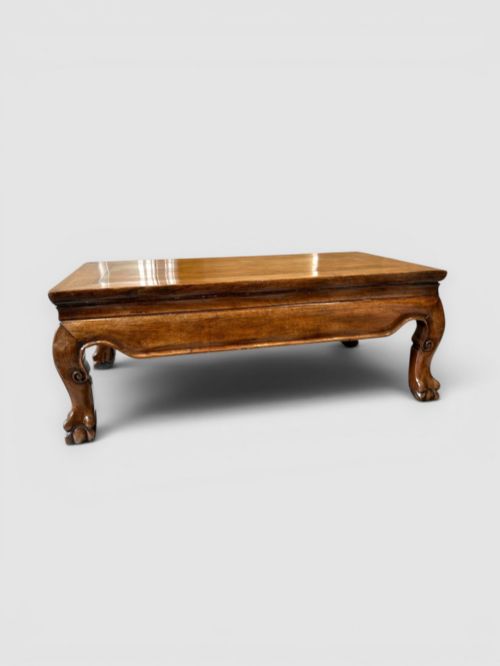
Several low tables maintain a low profile despite centuries of changing fashions.
What Varies in Quality
Quality separates through the selection of timber and the execution of surface work, distinguishing dense hardwoods with exceptional grain from simpler secondary woods. The depth and preservation of lacquer finishes and hand-painted details determine the visual impact of each piece.
Construction integrity defines the upper tier, seen in stable corner leg joinery and well-fitted marble or porcelain inserts. The precision of mother of pearl inlay and the harmonious integration of brass hardware further elevate the standard.
The Chinese Style Table Glossary
- Chinoiserie
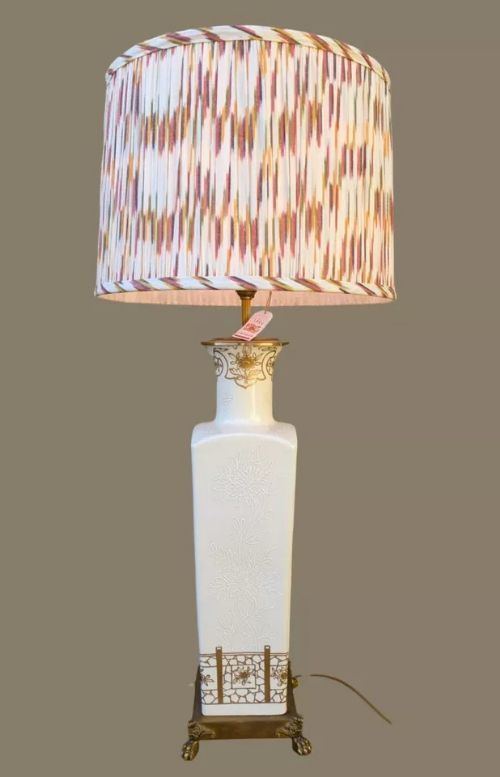
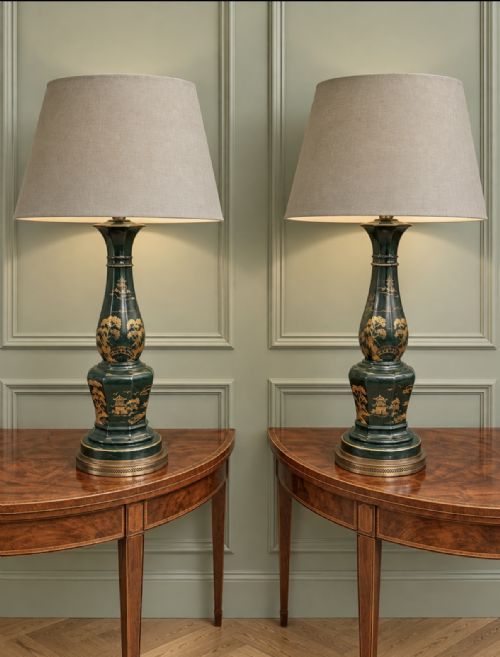
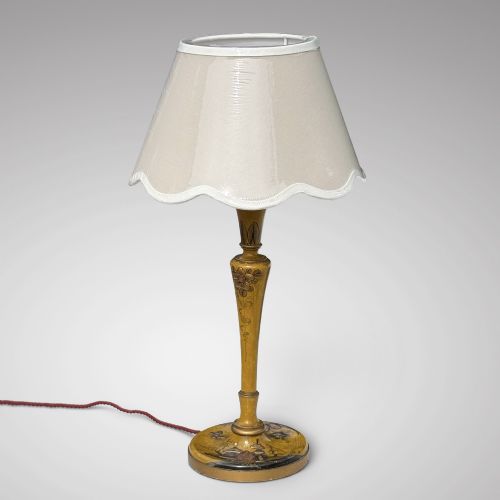
- European decorative style inspired by Chinese artistic traditions, frequently featuring hand-painted lacquer and motifs. This style appears widely on eighteenth and nineteenth-century occasional pieces and lamps.
- Opium table
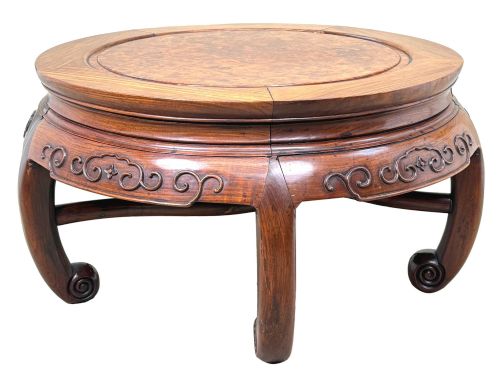
- A low table traditionally used for resting objects or seating near the floor. These items often display simple hardwood frames and compact proportions.
- Lacquer
- A durable finish applied in multiple layers to wood surfaces. It provides a smooth, glossy base for painted decoration and intricate inlay.
Chinese Style Table: Frequently Asked Questions
What rooms suit a Chinese style table?
These tables adapt readily to living spaces, hallways, and studies as coffee tables, side tables, or plant stands.
Their varied heights and footprints allow them to function as surface display areas or compact writing desks.
How do I care for lacquer surfaces?
Keep lacquered pieces out of direct sunlight to prevent fading and cracking of the delicate finish.
Dust gently with a soft, dry cloth and avoid harsh chemical cleaners that might damage painted details.
Are marble top tables heavy?
The insertion of heavy marble slabs adds considerable weight to plant stands, pedestals, and occasional tables.
This weight provides excellent stability for supporting lamps, vases, and decorative objects.
How do I identify Chinese export pieces?
Export pieces often combine traditional forms with decorative techniques intended for Western markets.
Look for combinations of hardwood structures, lacquerwork, and brass fittings characteristic of cross-cultural trade.