




Chinese Style Porcelain Lamp
A chinese style porcelain lamp brings rich colour, hand-painted narratives, and sculptural presence to an interior.
Chinese Style Porcelain Lamp
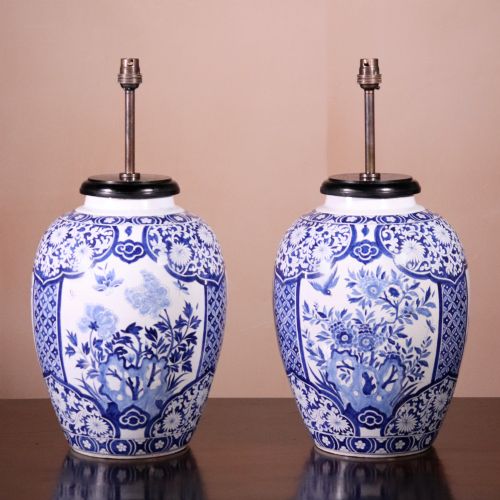
A chinese style porcelain lamp typically takes the form of a converted vase, jar, or lidded vessel dating from the eighteenth to the early twentieth century. These pieces encompass traditional blue and white schemes, robust crackleware surfaces, and polychrome enamel palettes.
The selection frequently includes ginger jars and baluster vases adapted for modern illumination, sometimes found as symmetrical pairs. Origins span historic Chinese export workshops as well as nineteenth-century European interpretations in the Chinese taste.
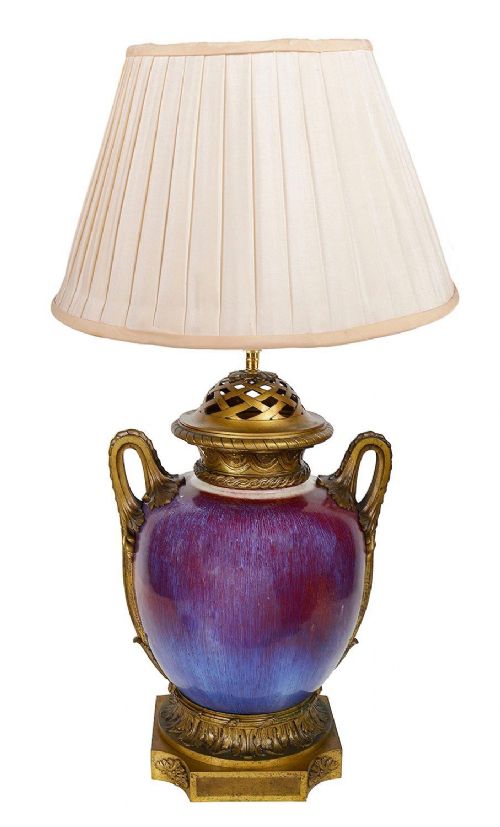
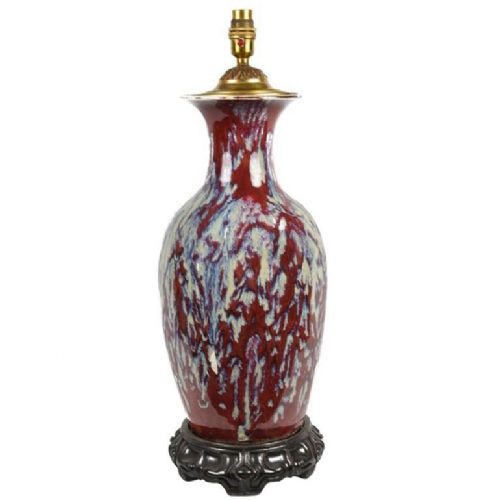
Buyers encounter table lamps bearing classic ceramic glazes such as celadon, sang de boeuf, and powder blue. Forms range from simple cylindrical bodies to elaborate vessels fitted with mounts.
Materials and Construction
The primary bodies are formed from high-fired porcelain and ceramic, hand-painted with cobalt underglazes or enamels before receiving a clear glossy finish. Potters shaped these vessels on the wheel or in moulds, often adding crackled glazes deliberately during the firing process.
Mounting hardware frequently incorporates brass, ormolu, and gilt bronze, fitted securely to the ceramic base to support electrical wiring and fabric shades. Bases and collars were often added by European craftsmen to elevate decorative jars into functional table lamps.
Glazes recorded across the collection include powder blue, celadon, and sang de boeuf alongside classic blue and white.
Judging Quality
Quality rests in the crispness of the hand-painted brushwork, the depth and purity of the glaze, and the structural integrity of the ceramic body. Finer examples display meticulous detail in figures and foliage, whereas simpler pieces show looser execution.
The integration of metal mounts, where present, separates standard conversions from high-grade decorative objects. Ormolu or gilt bronze fittings that complement the proportions of the porcelain elevate the overall character of the lamp.
The Chinese Style Porcelain Lamp Glossary
- Famille Verte
- A porcelain palette dominated by green enamels, developed during the Qing dynasty. Pieces often feature complex floral and figural scenes.
- Celadon
- A pale green jade-like glaze achieved through iron oxide in the reduction kiln. This finish is prized for its subtle tone and crackled texture.
- Ormolu
- Gilded bronze mounts used extensively in nineteenth-century French and English decorative arts. These metal additions frame and elevate porcelain bodies.
- Crackleware
- Pottery featuring a network of fine cracks intentionally created in the glaze during cooling. The pattern adds tactile depth to the surface.
- Sang de Boeuf
- A rich copper-red oxblood glaze that deepens across the curved body of a vase. This striking finish requires precise kiln temperature control.
Chinese Style Porcelain Lamp: Frequently Asked Questions
How do I choose a lamp height?
Consider the scale of the room and the furniture piece where the lamp will rest. Taller baluster vases provide a strong vertical focal point.
Ensure the combined height of the ceramic body and shade suits eye level when seated.
Are these lamps recently rewired?
Many antique lamps are fitted with modern electrical wiring to meet current safety standards. It remains advisable to check specific listings for rewiring details.
Qualified electricians can easily adapt historic fittings if further updates are required.
How do I clean porcelain lamps?
Dust the ceramic body gently with a soft, dry cloth to remove everyday particles. Avoid harsh chemical cleaners that might damage antique glazes or hand-painted enamels.
Metal mounts can be polished sparingly with appropriate non-abrasive metal care products.
What defines Chinese export porcelain?
Chinese export porcelain refers to wares made specifically for Western markets from the seventeenth century onwards. These designs often blend traditional Eastern motifs with European shapes.
Such pieces reflect the historic global trade in luxury ceramics.