


Chinese Scholars Bowl
These chinese scholars bowl selections bring the refined taste of the scholar's studio into your home, offering tactile vessels for contemplation.
Chinese Scholars Bowl
A chinese scholars bowl encompasses utilitarian and decorative vessels created for the traditional scholar's studio, ranging from brush washers and censers to carved coconut and jade bowls. These objects served meditative and practical purposes within elite Chinese culture, functioning as focal points for quiet study.
The pieces appearing on this page span several centuries, with examples originating from the Ming and Qing dynasties alongside later nineteenth-century interpretations. Visitors will encounter forms bearing imperial marks, provincial characteristics, and distinctive studio inscriptions.
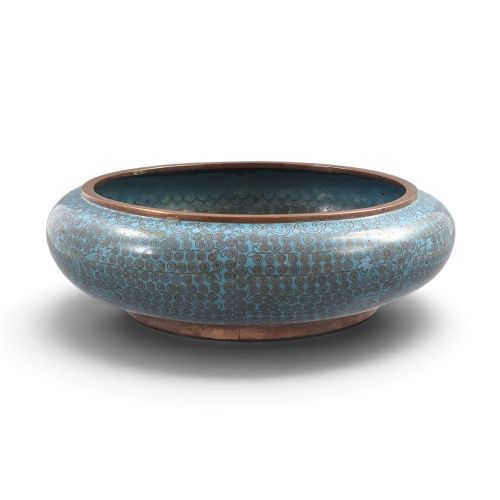
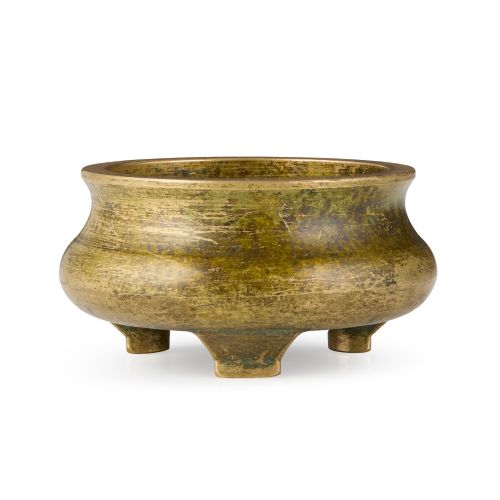
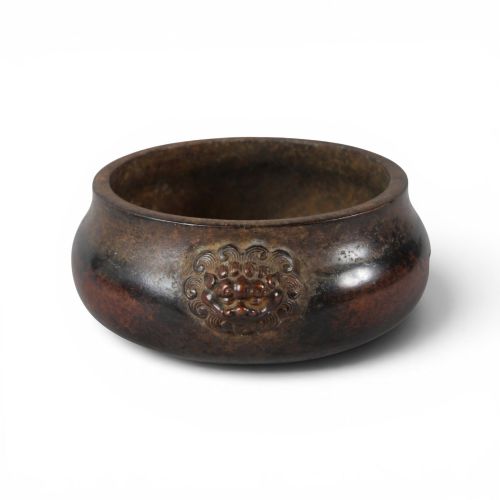
Vessels designed for washing brushes, burning incense, and holding water dominate the selection, often taking the form of tripod censers or compressed basins. Materials stretch from cast bronze and cloisonné enamel to porcelain, nephrite, boxwood, and buffalo horn.
Materials and Techniques
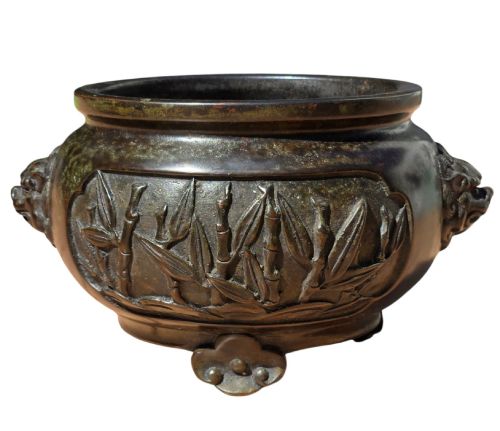
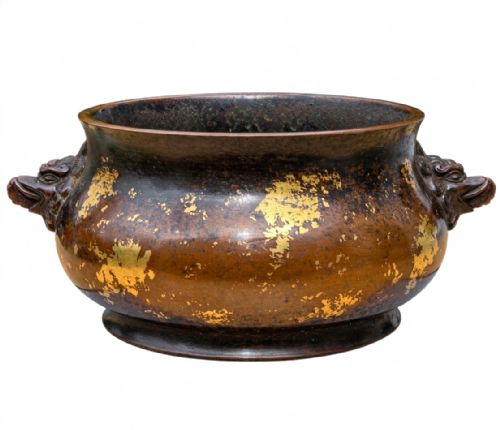
Bronze vessels were formed through complex casting techniques, occasionally featuring applied gilt splashing, relief panels, and mask handles. Artisans also worked with copper alloys to produce heavy censers designed to sit steadily on scholar's desks.
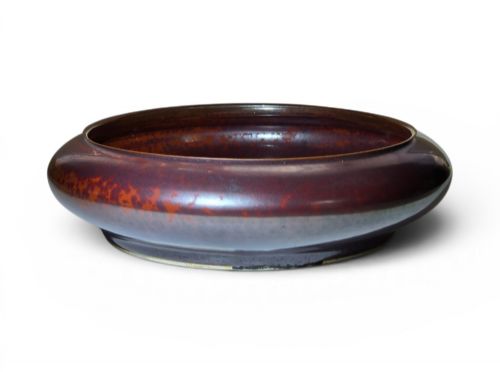
Ceramic forms utilise cobalt glaze, iron rust glaze, and blue and white decoration on porcelain bodies, while others exhibit the creamy tone associated with blanc de chine. Potters applied imperial marks and studio signatures directly into the clay before firing.
Organic materials such as boxwood, buffalo horn, and coconut shell received intricate hand carving to display traditional motifs, Chou symbols, and naturalistic textures. Hardstones like nephrite and jade were shaped into pale celadon brush washers and incense burners.
Listings feature items spanning the 16th century through the early 20th century, including Ming and Qing dynasty periods.
Distinctions in Quality
Quality rests upon the crispness of the casting in metalwork and the precision of the hand-carved relief panels or motifs on organic and stone pieces. Superior examples display balanced proportions, substantial weight, and well-defined studio marks that anchor their provenance.
Ceramic quality is defined by the purity of the glaze, whether iron rust, cobalt blue, or plain white, and the steadiness of the firing process. Finer pieces show intentional control over colour variation and pigment application rather than haphazard effects.
The Chinese Scholars Bowl Glossary
- Censer
- A vessel used for burning incense during meditation or study. These often stand on three feet and feature relief panels or mask handles.
- Brush Washer
- A desktop bowl utilised for cleaning ink brushes. They appear in porcelain, jade, bronze, and horn.
- Blanc de Chine
- A type of white porcelain originating from Dehua, known for its smooth glaze and creamy appearance. It was frequently utilised for ritual vessels.
- Cloisonné
- Enamelling technique where wires are soldered to a metal base to create compartments filled with coloured paste. This method produced decorative surfaces on scholar's items.
- Celadon
- A green jade or jade-like glaze mimicking the colour of natural stone. It remains prized for its subtle tone and association with scholarly restraint.
Chinese Scholars Bowl: Frequently Asked Questions
What is a chinese scholars bowl used for?
These vessels were created for the desk of a scholar or literati official. They held water for washing brushes, burned incense during meditation, or simply provided an object of contemplation.
Many forms double as decorative vessels or incense burners. Their quiet presence was intended to inspire poetry, painting, and philosophical thought.
How do I date a bronze censer?
Dating relies on assessing the weight, casting technique, patination, and any studio marks or dynastic styles present. Earlier Ming pieces often display heavier casting and distinct relief styles.
Comparing the handling of mask handles and surface finishes against documented examples helps establish the period. Imperial marks also provide chronological markers when genuine.
What materials were used for these bowls?
Materials reflect the diverse mediums valued by traditional scholars, including cast bronze, copper alloy, and porcelain. Organic substances such as boxwood, coconut shell, and buffalo horn also appear.
Mineral materials include nephrite, green jade, and cloisonné enamel. Each medium required specialised craftsmanship suited to the scholar's aesthetic.
How should I display a scholar's bowl?
These pieces suit minimalist surfaces where their form, material, and tactile qualities can be appreciated closely. Placing them away from direct sunlight protects organic materials like horn and wood.
Allowing space around bronze or ceramic censers highlights their sculptural weight. They require no complex mounting and sit well on plain wooden tables.