



Chinese Porcelain Centrepiece
A chinese porcelain centrepiece brings hand-painted colour and historical craft directly to the table.
Chinese Porcelain Centrepiece
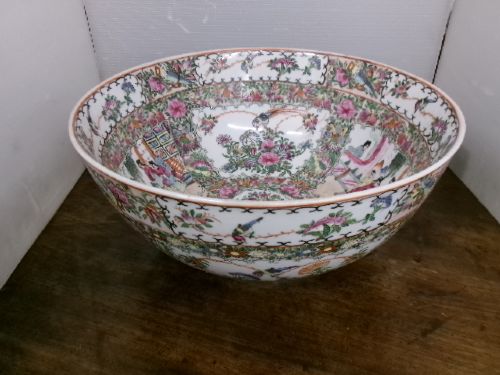
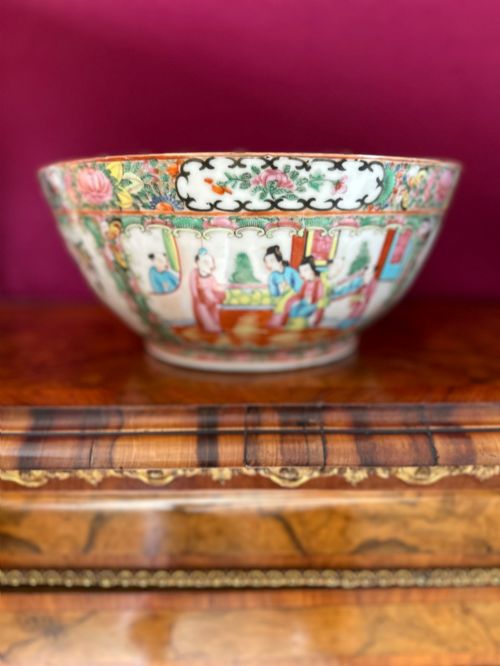
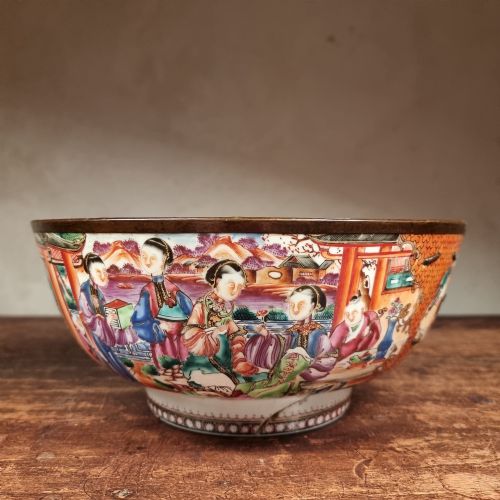
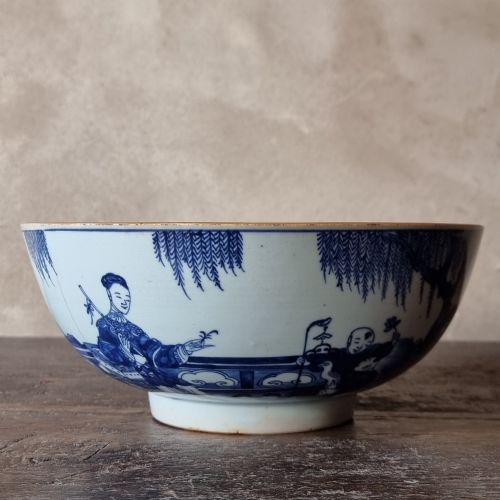
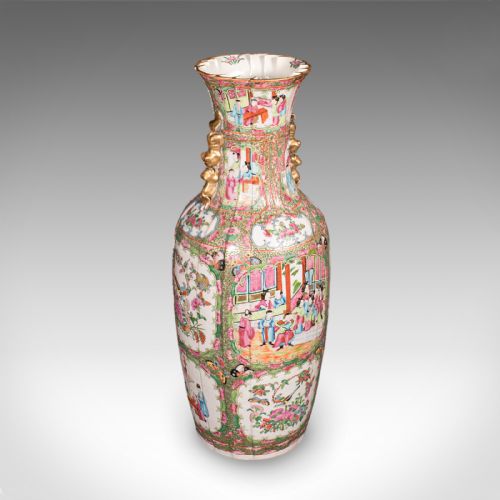
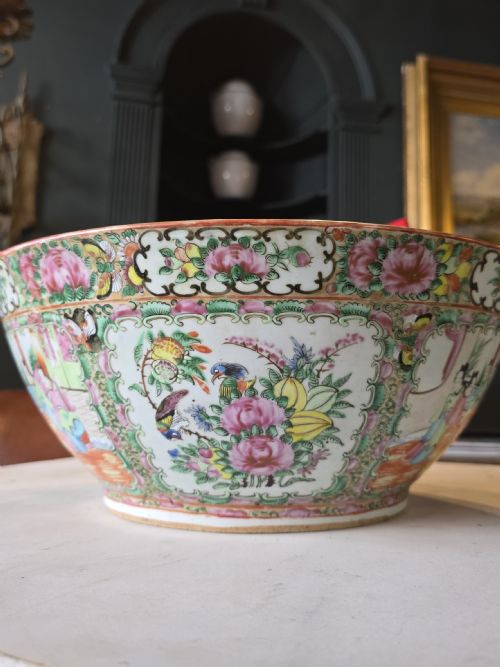
A chinese porcelain centrepiece comprises large bowls, punch bowls, jardinières and baskets intended to anchor a room or table. Buyers seeking a chinese porcelain centrepiece most commonly encounter 19th-century Cantonese and export wares alongside 18th-century examples.
Production spans centuries, moving from Qing Dynasty export pieces to Victorian interpretations and later revivals. These vessels range from deep punch bowls to mounted dishes decorated with cobalt blue or polychrome enamels.
Materials and mounting
Potters shaped fine ceramic bodies before applying detailed hand-painted glazes, often incorporating famille rose enamels or cobalt blue motifs. Gold leaf, gilding and ormolu mounts were frequently added to elevate the status of the vessel.
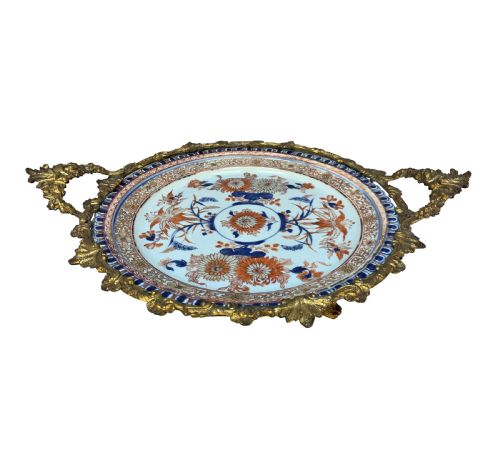
Metal mounts in gilt bronze or ormolu secure many of the export bowls and plates, uniting Eastern ceramic production with Western decorative hardware.
Listings feature 18th-century and 19th-century pieces, utilising porcelain, enamel, ormolu, and gold leaf.
Quality and execution
The precision and detail of the hand-painted brushwork separate standard production from superior pieces. Crispness in floral, figural or armorial motifs indicates skilled workshop execution.
The integration of metal mounts, where present, reveals the standard of craftsmanship. Secure fittings and heavy casting distinguish finer mounted pieces from simpler domestic wares.
Samson Of Paris·Daisy Makeig Jones·Wedgwood
The Chinese Porcelain Centrepiece Glossary
- Famille rose
- A palette of opaque rose-pink enamel introduced in China during the Qing Dynasty. It allowed artists to create shaded gradients of pink and red across floral and figural scenes.
- Ormolu
- Gilded bronze used for decorative mounts on furniture and ceramics. It provides a bright metallic contrast to the fired porcelain body.
- Punch bowl
- A large deep vessel originally designed for mixing and serving communal drinks at social gatherings. Their generous size made them ideal canvases for elaborate hand-painted decoration.
- Imari
- A style of Japanese and Chinese export porcelain featuring underglaze blue and overglaze iron red and gold. The palette is rich and heavily patterned.
- Jardiniere
- An ornamental ceramic pot designed to hold live plants or floral arrangements. They often feature robust proportions to support weight and moisture.
Chinese Porcelain Centrepiece: Frequently Asked Questions
What were these bowls used for?
These large vessels served practical dining functions, particularly for mixing and serving punch at large gatherings. They also acted as display pieces on dining tables or sideboards.
Over time, many transitioned into pure decorative objects, used to hold fruit, flowers or simply to anchor a room's interior scheme.
What is export porcelain?
Export porcelain refers to ceramics manufactured in China specifically for overseas markets in Europe and the Americas. These pieces often combined traditional Chinese forms and techniques with Western heraldic or stylistic preferences.
Orders were shipped in large quantities, resulting in distinct stylistic categories like Imari and famille rose arriving in Western ports.
Why are some bowls mounted in metal?
Metal mounts in ormolu or gilt bronze were added to protect vulnerable edges and elevate the status of the vessel. European owners frequently commissioned these mounts to match local furniture styles.
This practice turned imported decorative bowls into integrated fixtures of French Rococo and later interior schemes.