

Chinese Polychrome Ceramic
Chinese polychrome ceramic pieces bring together vibrant enamel palettes and porcelain forms spanning the eighteenth century through the republican era.
Chinese Polychrome Ceramic
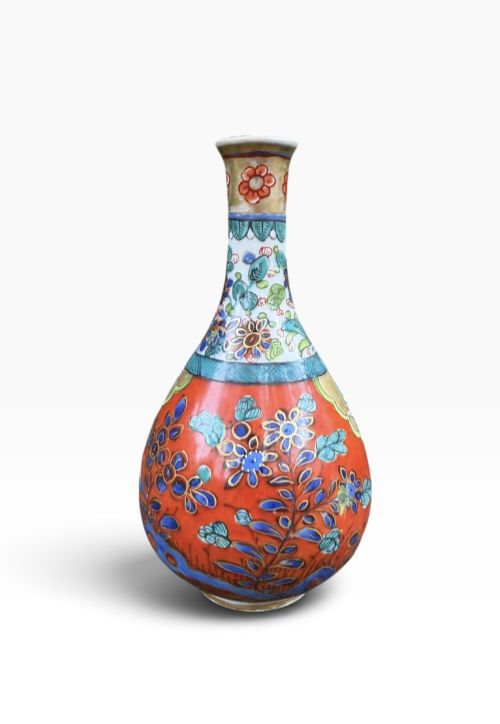
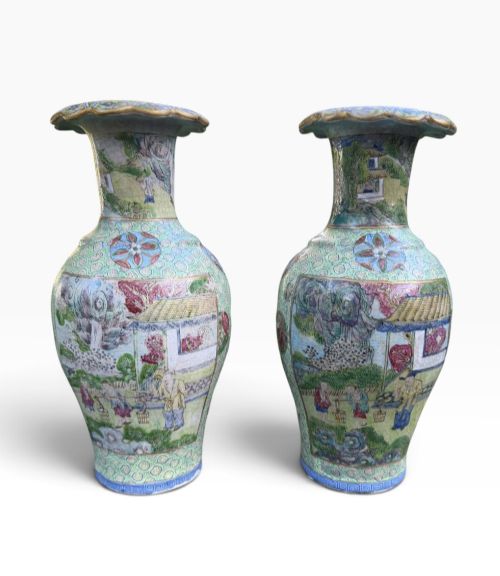
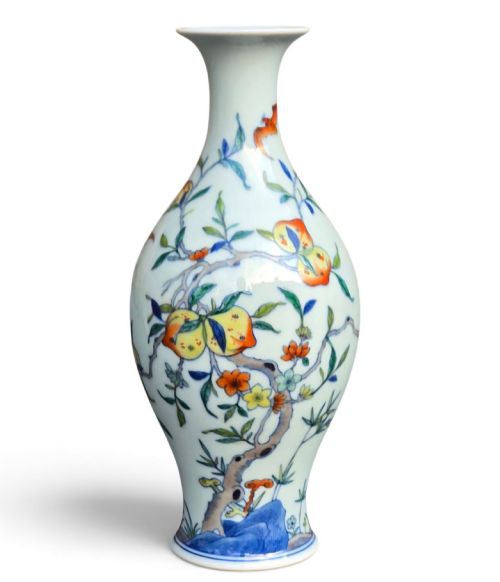
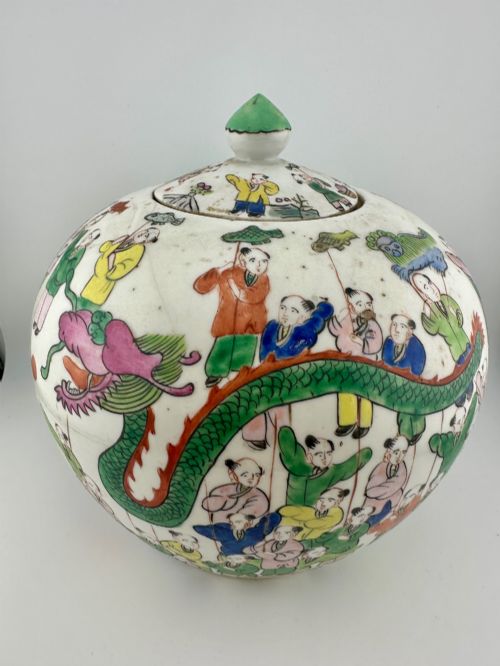
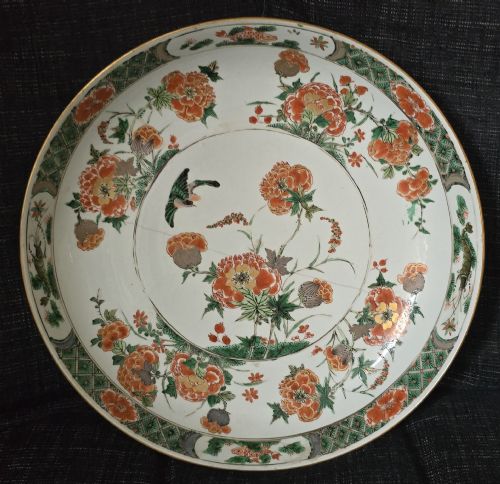
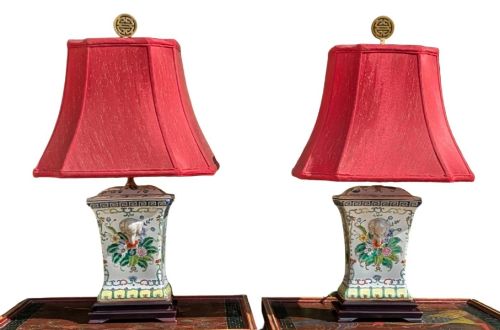
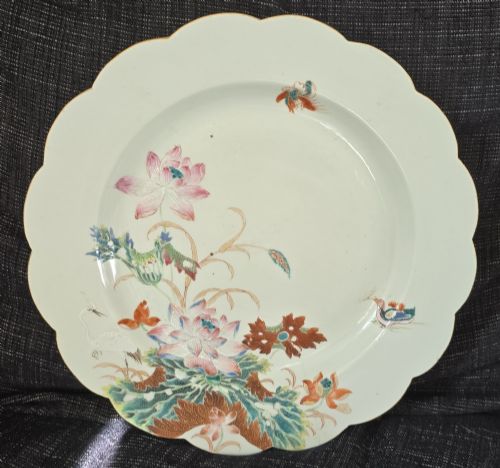
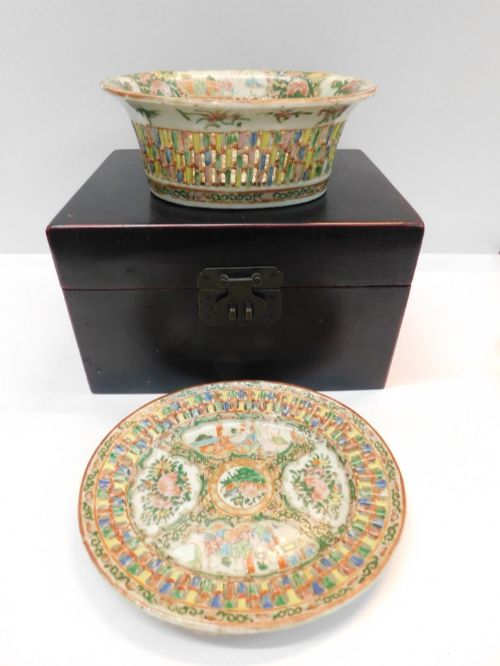
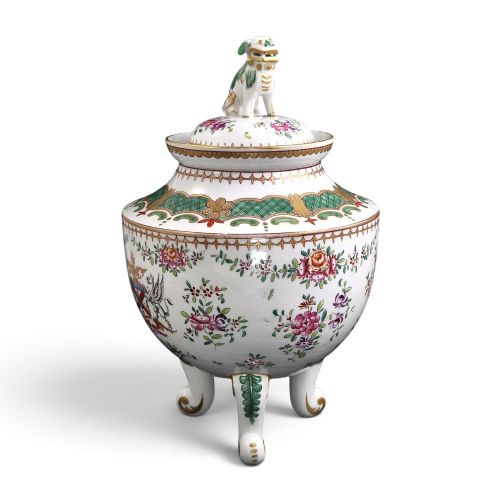
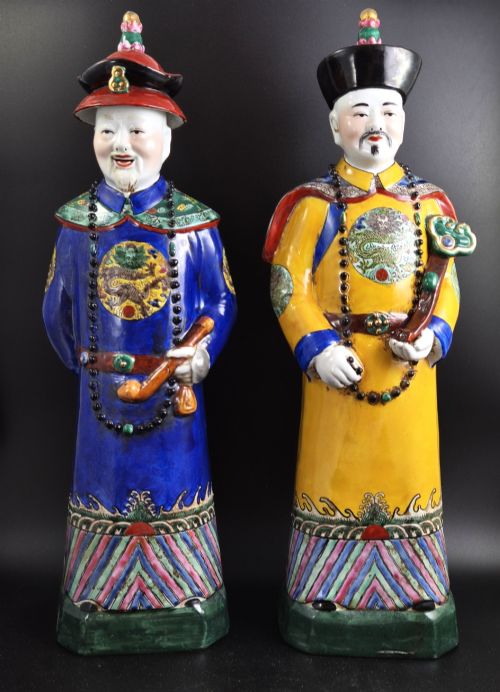
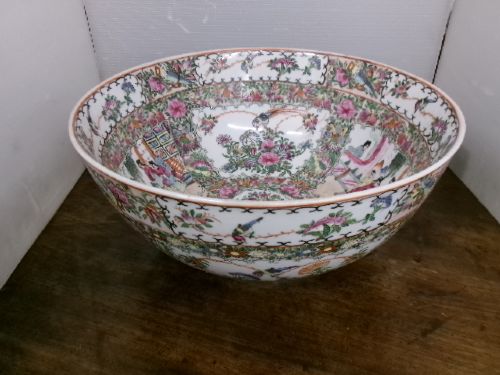
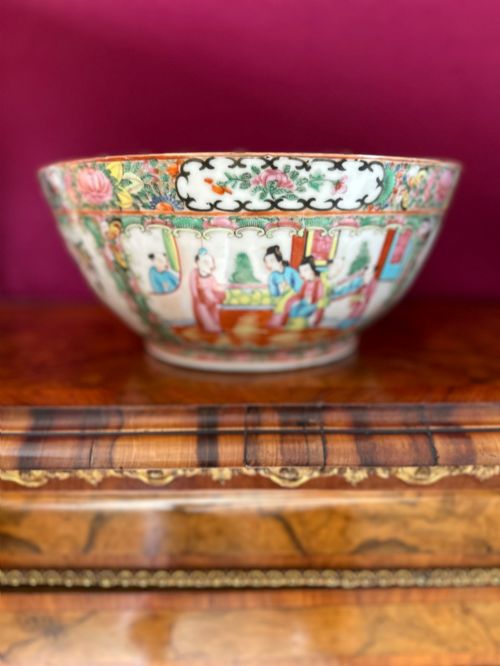
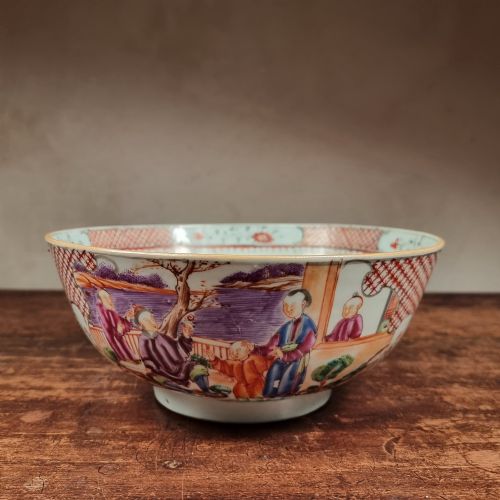
Chinese polychrome ceramic encompasses decorated vessels, figures, and tableware created across the eighteenth, nineteenth, and early twentieth centuries. Pieces found in these collections frequently take the form of large bowls, ginger jars, vases, and plates adorned with enamel colours.
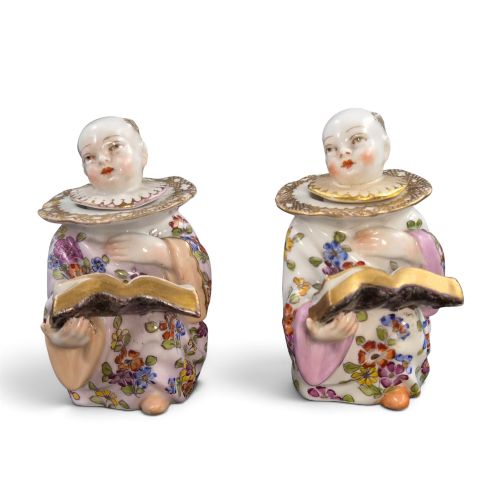
The objects stem from distinct periods including the Qing Dynasty, the Republic Period, and nineteenth-century European interpretations. Buyers encounter traditional export wares alongside nineteenth-century Canton production and European factory responses to oriental styles.
Forms range from small snuff bottles and cups to substantial punch bowls, jardinières, and figural groups. Decorative subjects include birds, flowers, figures, and armorial motifs rendered in pigments upon porcelain bodies.
How They Were Made
Potters shaped porcelain, soft-paste porcelain, and pottery bodies before applying underglaze or overglaze enamels. Artisans then integrated gold leaf, gilding, and gilt bronze mounts to accentuate specific design elements.
Makers utilised hand-painting techniques to build up intricate polychrome surfaces, often combining iron-red, pink, green, and blue pigments. Firing fixed these enamels to the ceramic substrate, sometimes accompanied by cracked glazes or reticulated basketwork.
Listings feature porcelain, enamel, and gold leaf, spanning the eighteenth century through the twentieth century.
What Varies in Quality
The precision and density of the hand-painted enamel work dictate the visual impact of each vessel. Finer examples display meticulous brush control in complex floral, animal, or figural compositions, whereas simpler pieces rely on repetitive factory output.
The crispness of the porcelain throwing and the stability of the glaze define the structural integrity of the object. Weight, proportion, and the subtlety of gilding or enamel layering distinguish standard export production from exceptional atelier pieces.
Fujian Huiguan Mark·Zhu Mao Ji
The Chinese Polychrome Ceramic Glossary
- Famille Rose
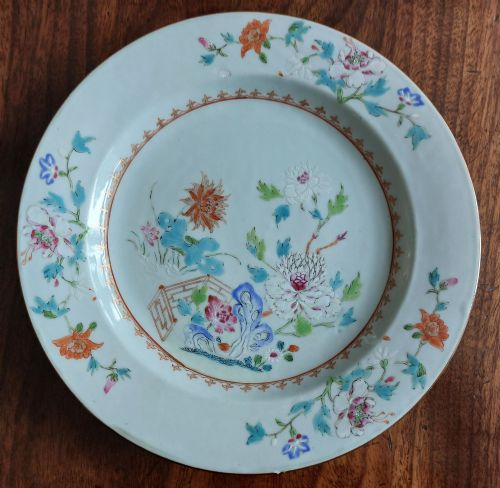
- A palette characterised by opaque pink enamels introduced during the Qing Dynasty. It allowed artisans to create nuanced tonal gradations in floral and figural scenes.
- Famille Verte
- A palette dominated by green overglaze enamels combined with iron-red and other colours. This earlier Qing Dynasty grouping typically depicts lively narrative and botanical subjects.
- Canton
- A style of export porcelain decorated in southern China featuring dense panels of figures, birds, and flowers. The palette leans heavily on bright pinks and greens set against gilt backgrounds.
- Chinoiserie
- European artistic interpretations of Chinese motifs and styles prevalent during the eighteenth century. Factories such as Bow and Worcester applied these patterns to domestic ceramic bodies.
- Millefleurs
- A decorative scheme translating to thousand flowers that covers the entire ceramic surface in a dense garden of blooms. It requires immense skill to execute without cluttering the composition.
Chinese Polychrome Ceramic: Frequently Asked Questions
How do I care for antique polychrome porcelain?
Wash these ceramics gently by hand using warm water and a mild detergent when cleaning becomes necessary. Avoid soaking pieces with gilt bronze mounts or exposed soft-paste bodies.
Keep items away from direct sunlight to preserve the stability of overglaze enamels and gold leaf over time. Handle ginger jar covers and delicate handles with care to prevent chipping.
What is the difference between Canton and Famille Rose?
Famille Rose describes a colour palette dominated by opaque pink enamel used across various Chinese export and domestic wares. Canton refers specifically to a regional export style originating from Guangzhou that frequently utilises that same pink palette within partitioned panels.
Canton decoration often fills the entire surface with alternating panels of figures and botanicals surrounded by gilt grounds. Other Famille Rose pieces might feature sparse, delicate floral sprays on plain white porcelain.
Can I use these bowls and plates for serving food?
Historic porcelains often carry microscopic glaze wear or lead-bearing enamels from early production methods. It is safer to treat decorative bowls and plates as display objects rather than tableware.
Dry use for potpourri or fruit is acceptable for sturdier nineteenth-century pieces. Delicate nineteenth-century or eighteenth-century items deserve protection from moisture and cutlery.
How can I tell nineteenth-century pieces from twentieth-century ones?
Nineteenth-century pieces generally exhibit heavier potting, deeper craquelure in certain glazes, and hand-mixed enamels with slight variations in texture. Twentieth-century production from the Republic Period onwards often displays smoother body surfaces and more standardised enamel application.
Examining base markings, foot rings, and wear patterns helps clarify the age of the ceramic. Nineteenth-century items often show characteristic bottom friction and soft gilt rubbing from handling.