




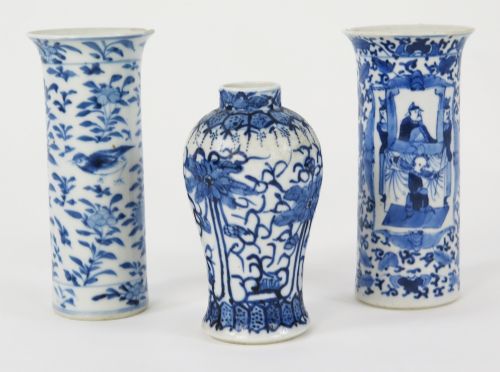
Chinese Painted Porcelain
Chinese painted porcelain brings centuries of vibrant enamels, cobalt blue, and meticulous hand-painting into domestic spaces.
Chinese Painted Porcelain
Chinese painted porcelain comprises decorative vessels, tableware, and scholar's objects created across the eighteenth, nineteenth, and early twentieth centuries.
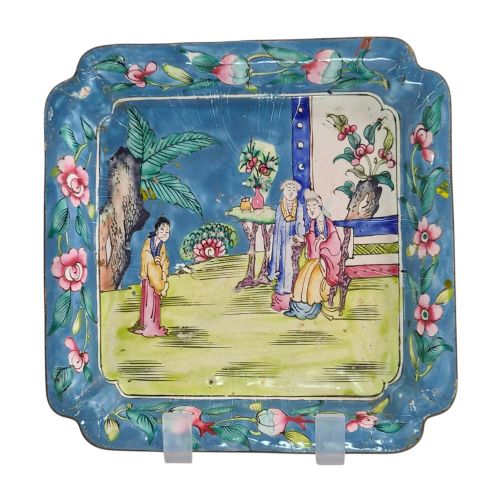
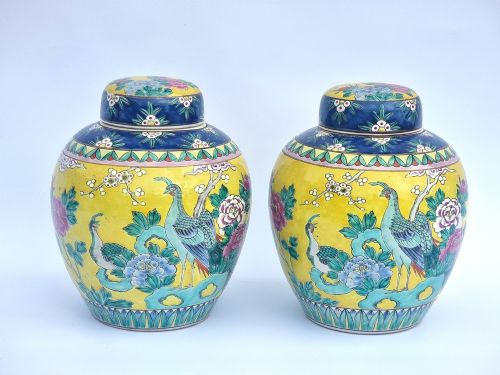
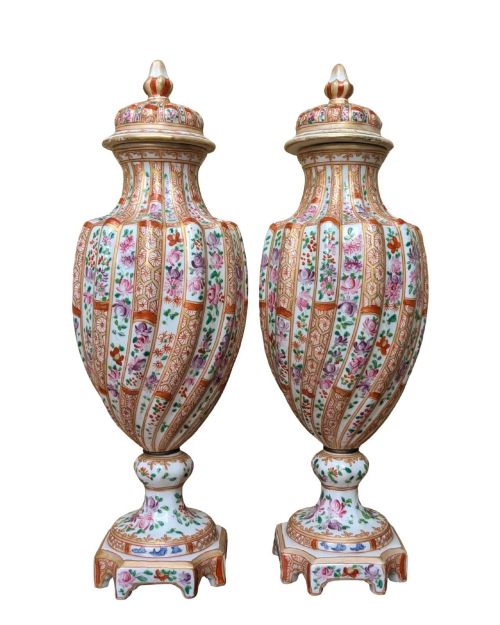
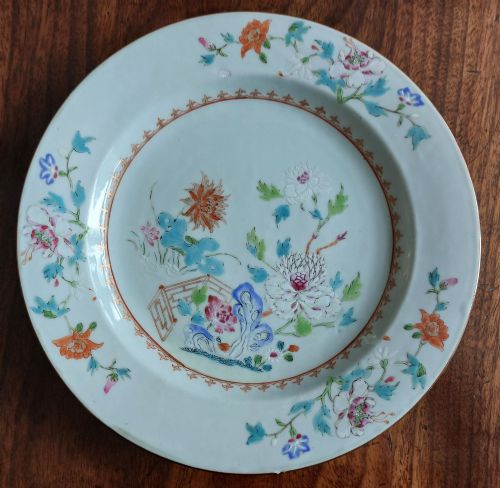
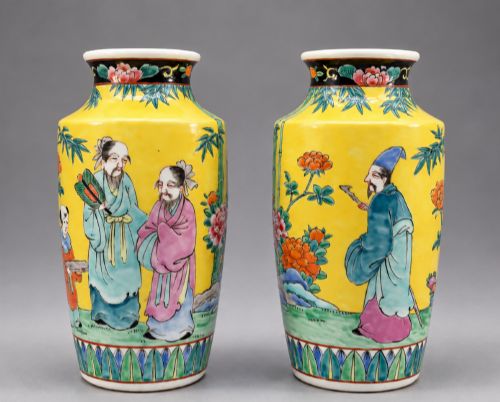
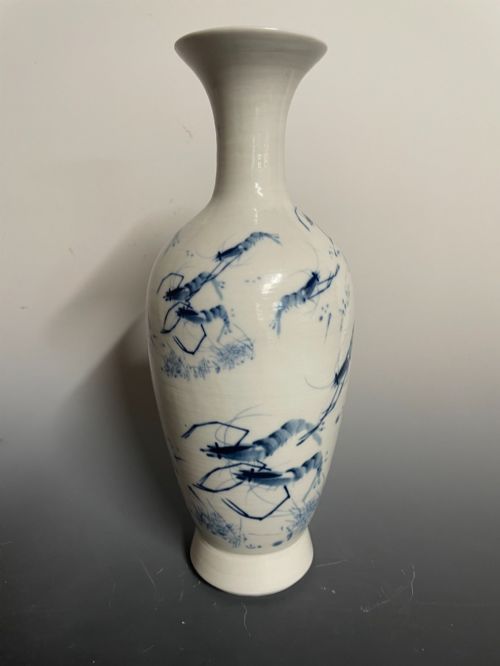
Vases, bowls, jars, and dishes dominate the selection, often carrying traditional motifs rendered in famille rose palettes, blue and white glazes, or iron-red details.
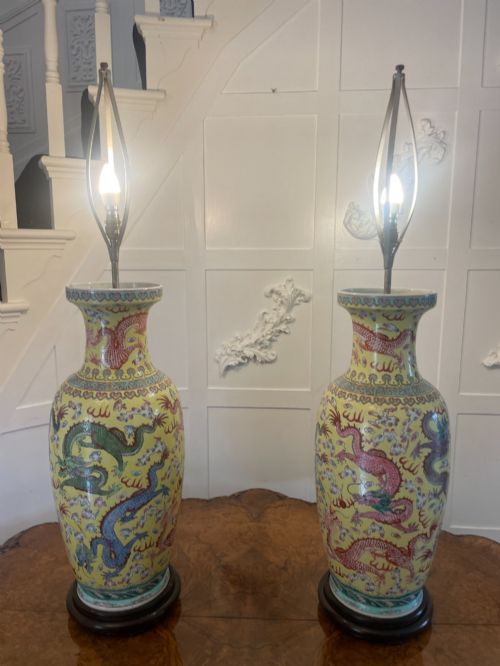
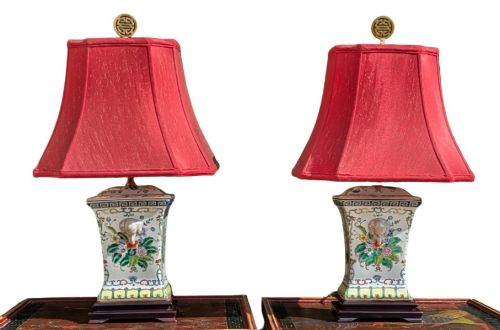
The pieces on this page range from imperial-style dragon bowls and export punch bowls to later Republican period vases and adapted lamp bases.
Materials and decoration techniques
Potters shaped fine white ceramic clay into sturdy vessels before applying cobalt underglaze pigments or enamel colours by hand.
Overglaze enamels such as famille rose and famille verte required a secondary firing to fuse the painted pigments to the glazed surface.
Selected vessels incorporate supplementary elements including wood stands, brass fittings, and gold leaf accents.
Chinese Painted Porcelain Retail Price Guide 2026
Typical asking prices for chinese painted porcelain among the pieces listed under this phrase on Sellingantiques today, from the lower quarter to the upper quarter. They describe what is for sale here now, not the wider market.
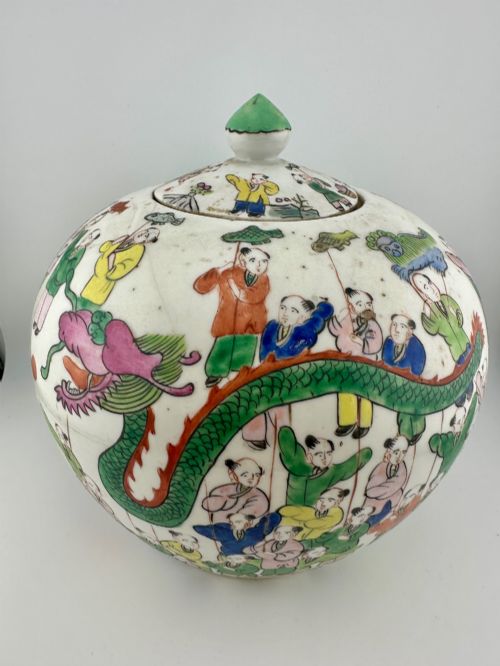
One hundred painted boys scramble across a nineteenth-century jar, celebrating a traditional wish for abundant imperial progeny.
Assessing painted porcelain
The precision and density of the hand-painted brushwork separate standard production pieces from finer imperial or export commissions.
Vibrancy and control within the enamel and cobalt glazes determine visual depth, while potting weight and symmetry indicate the maker's skill.
Edme Samson
The Chinese Painted Porcelain Glossary
- Famille Rose
- A palette of opaque enamels dominated by pink or rose colours, introduced in the eighteenth century. This technique allowed for subtle tonal gradations in floral and figural scenes.
- Cobalt Glaze
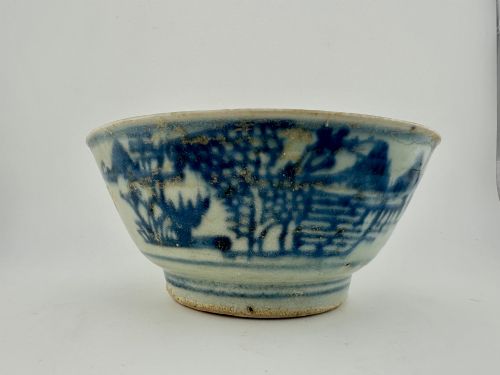
- An intense blue underglaze pigment applied directly to the raw clay body before transparent glazing and firing. It withstands high kiln temperatures without losing definition.
- Chinese Export
- Porcelain manufactured specifically for Western markets from the seventeenth to the nineteenth centuries. These items often combined traditional Chinese forms with European heraldic or decorative preferences.
- Canton
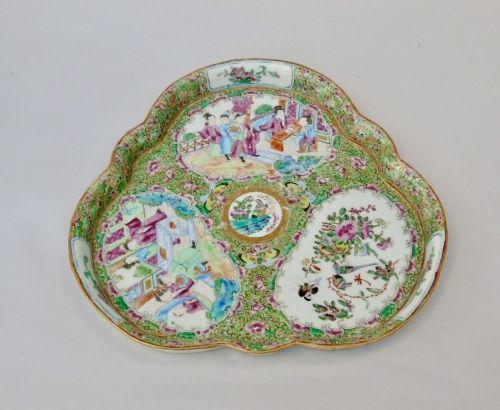
- A major trading port associated with porcelain decorated in colourful enamel palettes during the nineteenth century. Pieces often feature dense panels of figures, birds, and flowers.
- Republican Period
- The era spanning from 1912 to 1949 when porcelain workshops produced innovative designs influenced by traditional literati painting styles.
- Jardinière
- A large decorative ceramic pot designed to hold live plants or flowers. They frequently appear with heavy blue and white or famille rose decoration.
Chinese Painted Porcelain: Frequently Asked Questions
How do I identify famille rose?
Famille rose porcelain is distinguished by its opaque pink or rose enamel, derived from colloidal gold, which painters used to render soft petals and garments.
This palette typically appears alongside greens, yellows, and blues in detailed narrative or botanical compositions dating from the eighteenth century onward.
Are these pieces waterproof?
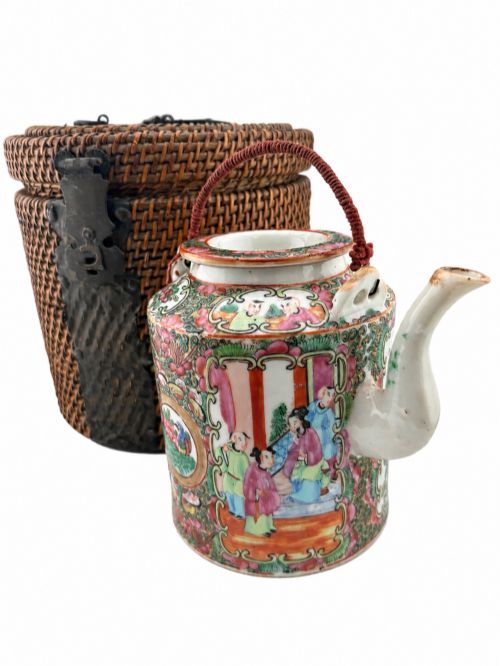
Many older vessels, particularly jardinières and bowls, hold water securely, but antique tea caddies and jars may have unglazed interior seams or structural vulnerabilities.
Thermal shock can damage aged ceramic bodies, so it is prudent to use inner liners rather than pouring water directly into delicate antique vases.
How are periods told apart?
Eighteenth-century items often exhibit thinner potting, finer brushwork, and specific reign marks associated with emperors such as Qianlong.
Nineteenth and twentieth-century pieces tend to feature heavier glazes, denser enamel applications, and broader decorative borders influenced by Victorian or Republican tastes.
Where were these pieces used?
Export and domestic porcelains served multiple functions, from formal dining tables and punch bowls to scholar's desks and decorative display cabinets.
Large floor jars and palace vessels were intended to punctuate grand interiors, while smaller snuff bottles remained personal, portable items.