
Chinese Metal Censer Vessel
When you search for a chinese metal censer vessel, you find centuries of ritual bronze, cast brass and hardstone vessels designed to burn incense.
Chinese Metal Censer Vessel
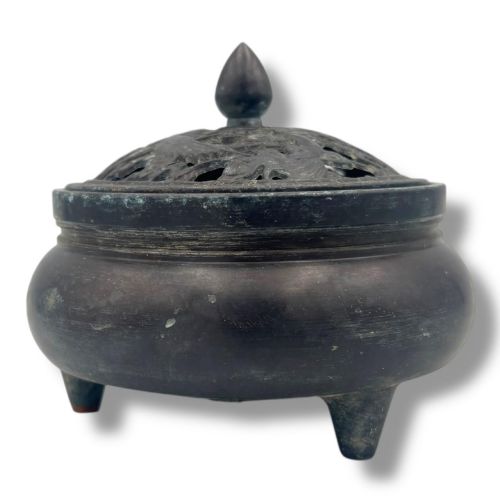
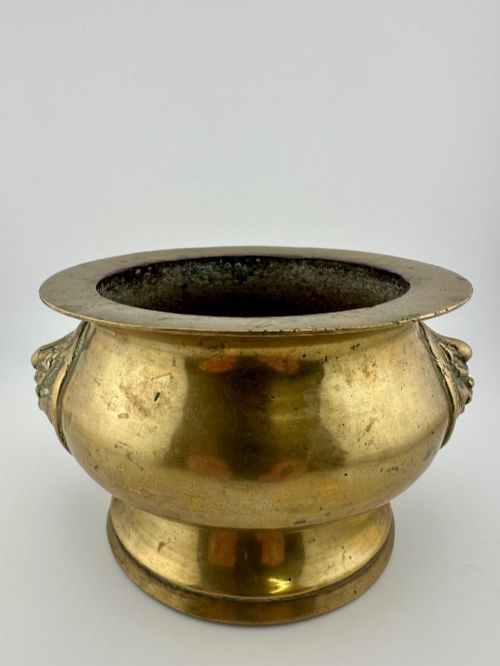
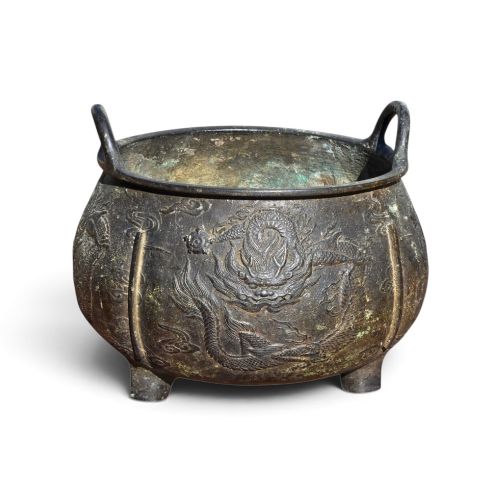
A chinese metal censer vessel takes various structural forms, ranging from massive scholar's studio tripods to delicate lidded containers and ritual vessels. These objects span from the sixteenth-century Ming period through the Qing dynasty and into the early twentieth century.
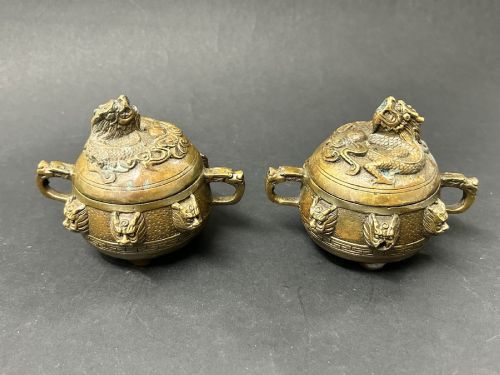
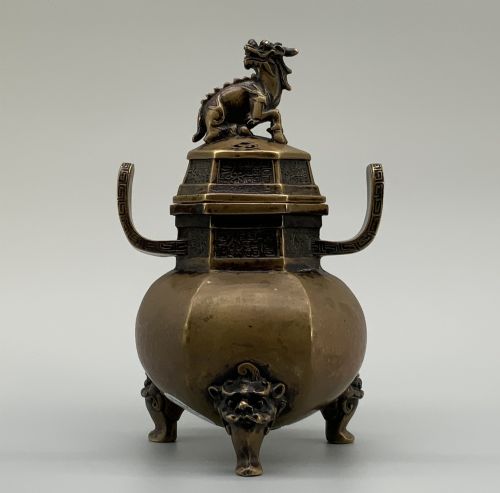
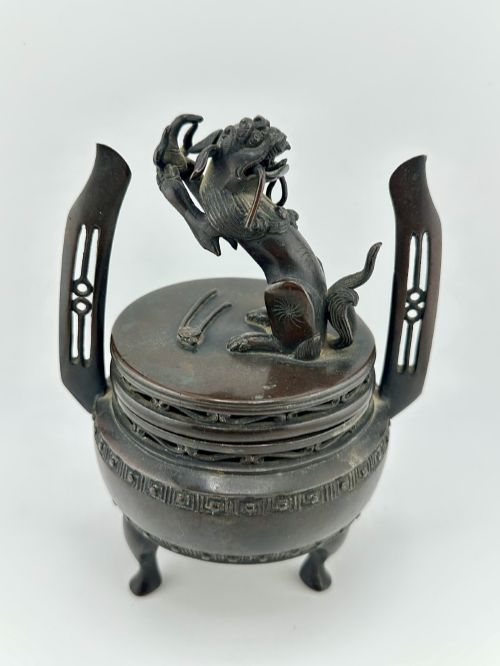
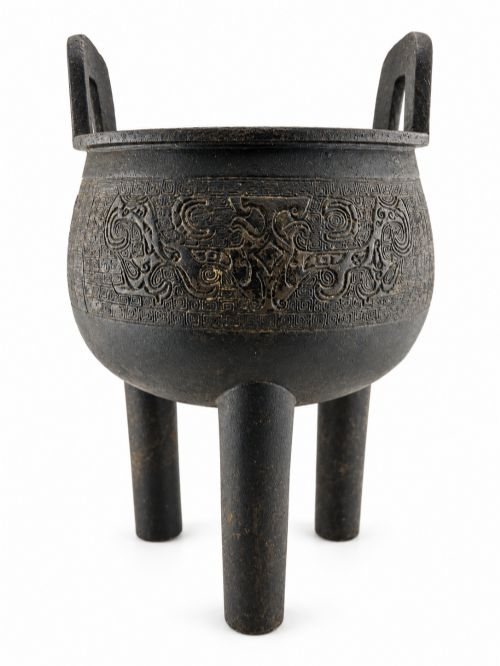
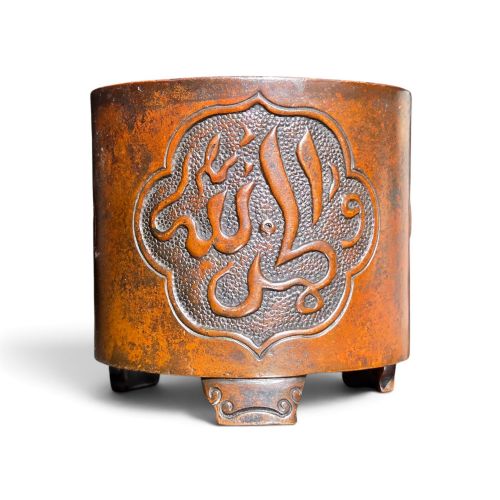
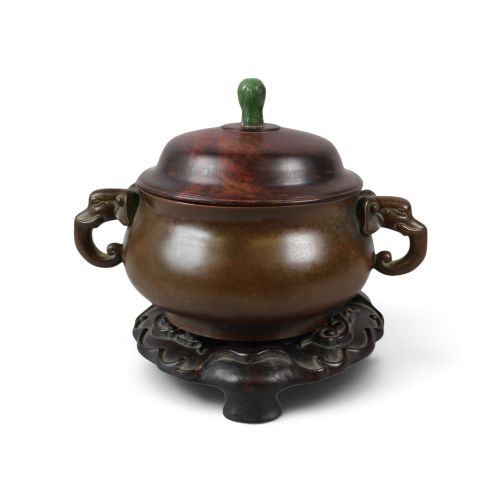
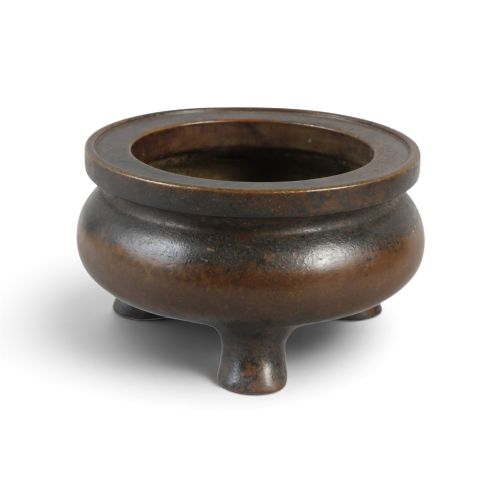
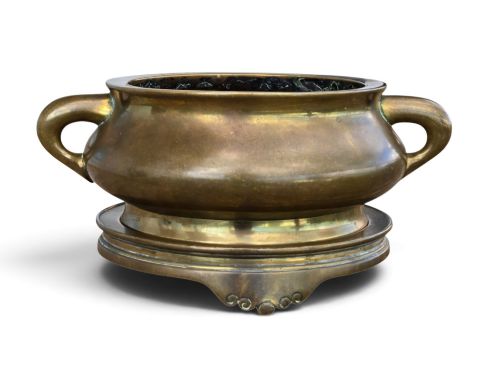
The inventory on this page contains items recorded across multiple eras, including sixteenth-century Ming examples, eighteenth-century archaistic bronzes, and late Qing pieces. Forms include tripod censers, cylindrical vessels, gui bowls, and lidded containers with qilin or dragon finials.
How they were made
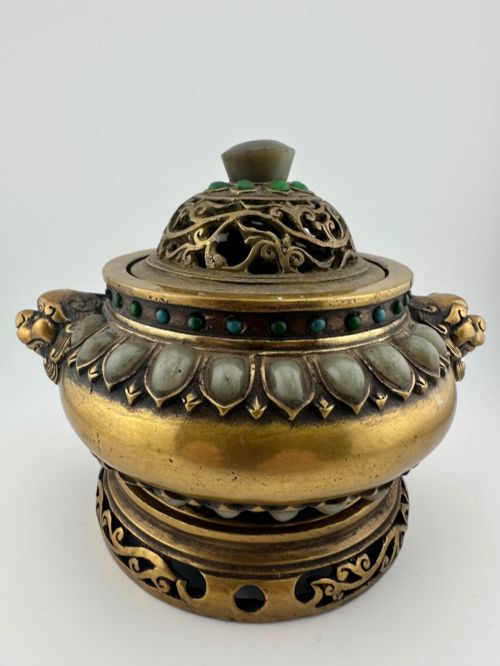
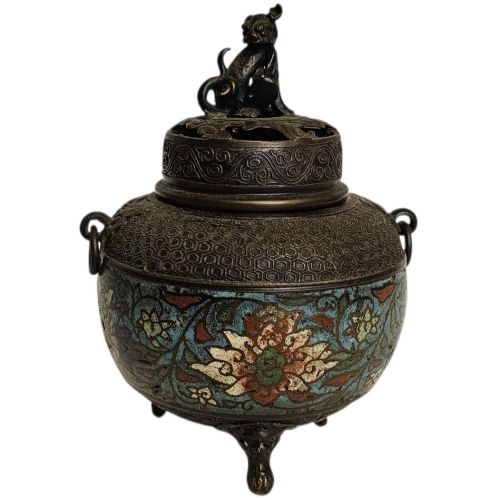
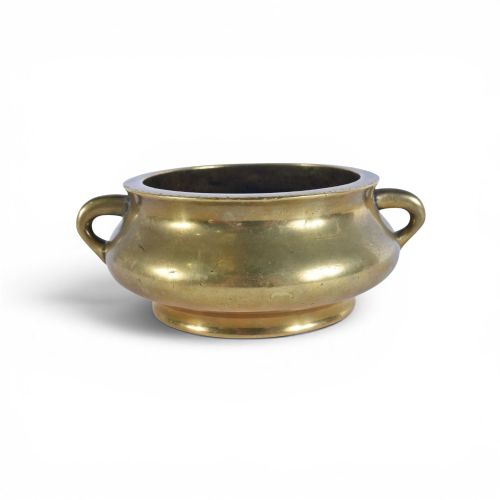
Craftsmen utilised bronze, cast bronze, brass, and copper alloy, frequently applying patinated surfaces, gilt splashing, or cloisonne enamel decoration. Metal is cast heavily, often producing substantial weight and bell-ring resonance.
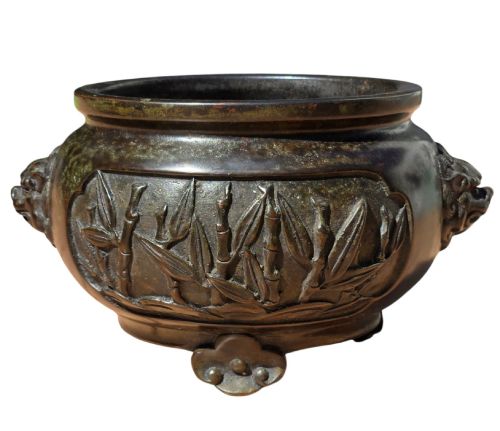
Many examples incorporate hardstone inlays, jade finials, and custom hardwood stands. Relief panels featuring motifs such as the three friends of winter or taotie masks appear across the centuries.
Periods represented range from sixteenth-century Ming dynasty pieces through eighteenth-century Qing examples to late nineteenth-century works.
What varies in quality
Quality differentiates by the precision of the casting, the depth and richness of the surface patina, and the weight of the metal. Heavier vessels often display superior acoustic resonance and more sharply defined architectural details.
The presence of period marks, such as Xuande or Wu Bangzuo inscriptions, alongside original stands and integrated hardstone or jade elements, distinguishes higher-status items within the range.
Wu Bangzuo
The Chinese Metal Censer Vessel Glossary
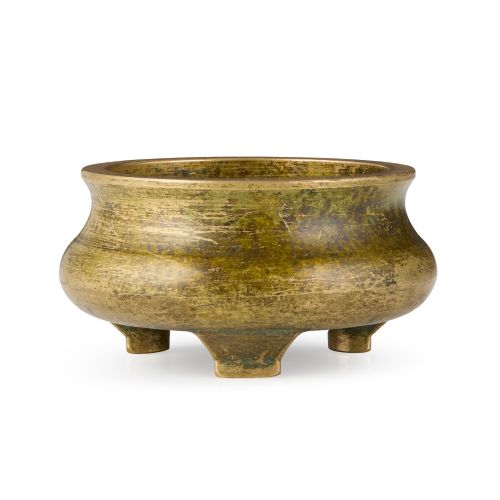
- Tripod censer
- A vessel supported by three feet, commonly utilised for burning incense in ritual or scholar's settings. These three legs elevate the body of the container.
- Taotie
- A stylized zoomorphic mask motif frequently found on ancient Chinese ritual bronze vessels. This decorative face pattern derives from early dynastic art.
- Cloisonne
- An enamelwork technique where metal wires form compartments on the surface, which are then filled with coloured paste and fired. This creates vibrant patterns across the body of the vessel.
- Xuande mark
- A stamped or cast inscription referencing the Ming dynasty Emperor Xuande, often added later in homage to celebrated historical bronzes. These marks indicate stylistic lineage rather than literal date of origin.
- Scholar's censer
- A smaller, refined vessel created for contemplation and fragrance on a literati desk. These pieces prioritise subtle patination and tactile weight.
- Gui
- An ancient ritual bronze vessel shape characterised by a rounded bowl and loop handles, often resting on a square base. It originally served as a food container before evolving into incense burner forms.
Chinese Metal Censer Vessel: Frequently Asked Questions
What is a chinese metal censer vessel used for?
These vessels served primarily to burn aromatic incense in domestic rooms, scholar's studies, and temple rituals. They provided both practical function and symbolic presence.
Over centuries, they also became prized display pieces for collectors, valued for their sculptural forms and connection to imperial tastes.
How do I identify a Ming dynasty censer?
Ming pieces often display deep, rich patination, heavy cast bronze construction, and classic motifs such as taotie masks or lotus forms. Their proportions reflect the austere aesthetic of the period.
Many bear scholar's studio marks or architectural handles like elephant heads or lion masks, distinguishing them from later revival pieces.
What are archaic bronze vessels?
Archaic and archaistic pieces imitate the ritual forms and decorative motifs of ancient Shang and Zhou dynasty bronzes. Makers during the Ming and Qing periods revived these designs for scholarly appreciation.
These items frequently feature geometric relief work, ding tripod configurations, and ritual vessel shapes adapted for later incense use.
How should I care for an antique bronze censer?
Maintain the surface by dusting gently with a dry cloth, avoiding abrasive cleaners or polishes that can strip the historic patina. Preserve the natural finish achieved over centuries of handling.
Keep the vessel in a stable environment away from excess moisture to protect both the metal body and any associated hardwood stands.