




Chinese Mahogany Stand
A chinese mahogany stand brings unmistakable architectural line and rich timber figure into a room, joining Eastern form with Western joinery.
Chinese Mahogany Stand
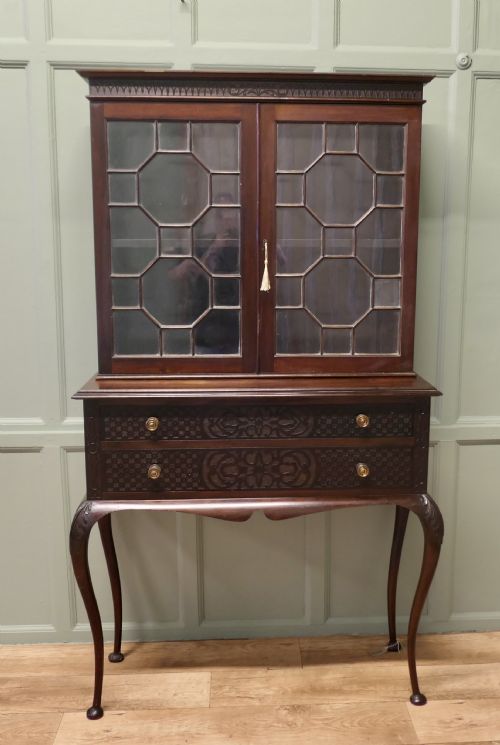
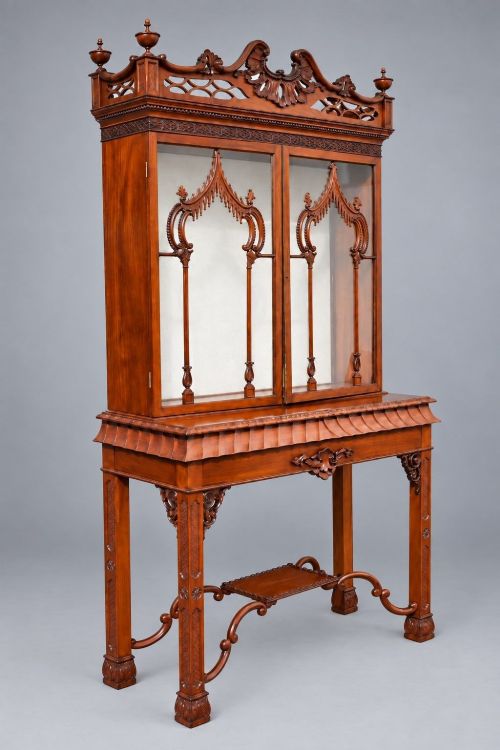
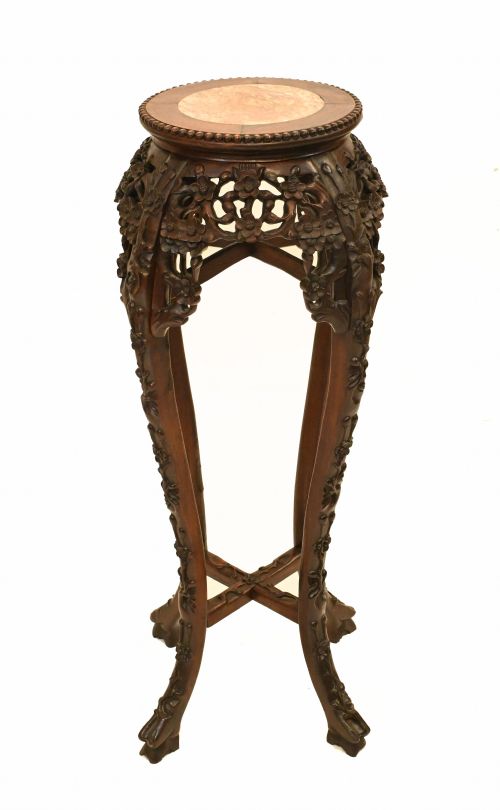
A chinese mahogany stand encompasses varied elevations designed to elevate ceramics, plants, and decorative objects within domestic spaces. Buyers pursuing a chinese mahogany stand will encounter forms ranging from low jardinière tables and vase supports to tall torcheres and display cabinets.
The surviving pieces span several distinct eras, stretching from eighteenth century George III creations through Victorian revival interpretations up to nineteen hundred. Plant stands, occasional tables, and pedestal supports dominate the selection, often reflecting traditional Qing dynasty aesthetic principles adapted for British interiors.
Materials and construction
Makers utilised dense timbers, predominantly mahogany and heavy exotic hardwoods, frequently combined with inset marble tops or glass panels. Frames rely on traditional joinery methods, supporting intricate pierced carving and delicate pierced galleries.
Surface treatments vary from polished timber finishes to subtle lacquered applications, while select examples incorporate brass hardware or structural glazing. The interplay between solid mahogany frames and contrasting stone or lacquered inserts defines the physical substance of these pieces.
Several stands feature cunningly concealed ledges built specifically to catch stray drips from overly enthusiastic Victorian watering cans.
Assessing craftsmanship
Superior examples demonstrate crisp, deep relief carving where floral and geometric motifs retain sharp definition rather than soft edges. The handling of timber figure and the seamless integration of inset marble or glass separate exceptional pieces from simpler utilitarian items.
Structural integrity and the fidelity of the revival style dictate value, with pieces adhering closely to traditional proportions outperforming loose interpretations. Attention to detail in the pierced aprons and leg junctions reveals the hand of a skilled workshop.
The Chinese Mahogany Stand Glossary
- Torchère
- A tall, slender stand designed specifically to support a candelabrum or lamp. These elevated pieces often feature elaborate carved pillars and tripod bases.
- Jardinière stand
- A low table or pedestal created to hold a plant container or floral basin. They frequently incorporate waterproof insets such as marble to protect the wood.
- Chinese Chippendale
- A decorative style combining eighteenth century English rococo framework with Chinese geometric lattices and fretwork motifs. This aesthetic heavily influenced British cabinetmakers working in mahogany.
- Hongmu
- A traditional Chinese term denoting dense, dark red hardwoods. It translates directly to red wood and commands respect for its durability and weight.
- Plant stand
- A compact furnishing built to display botanical specimens at varying heights. They appear in diverse geometric configurations across the nineteenth century.
Chinese Mahogany Stand: Frequently Asked Questions
What is a chinese mahogany stand used for?
These versatile pieces serve primarily to elevate decorative objects, lamps, and plants within a room. Their sturdy construction allows them to support heavy ceramic jardinières or display fine porcelain.
Beyond utilitarian display, they act as sculptural accents that introduce rich timber tones and intricate carved detail to interior spaces.
How do I date a mahogany plant stand?
Dating relies on examining timber characteristics, tool marks, and stylistic markers such as Victorian revival traits versus eighteenth century George III proportions. Inset materials like marble or glass also offer clues regarding the period of manufacture.
Comparing the carving depth and joinery techniques with documented examples from the archive helps narrow down the decade of creation.
Where should I place a torchere stand?
A tall torchere stand suits corners, empty wall spaces, or flanking larger pieces of furniture where vertical emphasis is needed. They provide an ideal platform for table lamps, sculptures, or trailing plants.
Ensure placement avoids heavy direct sunlight or extreme temperature fluctuations to protect the polished mahogany finish and any inset marble.
What is the difference between export and revival pieces?
Export pieces were typically manufactured in Asia for Western markets during earlier trade periods, reflecting authentic regional craftsmanship. Revival pieces, common in the Victorian era, were constructed in Britain or Europe copying these Eastern motifs.
Both categories display high skill, but understanding the distinction clarifies the geographic origin and historical context of the furniture.