



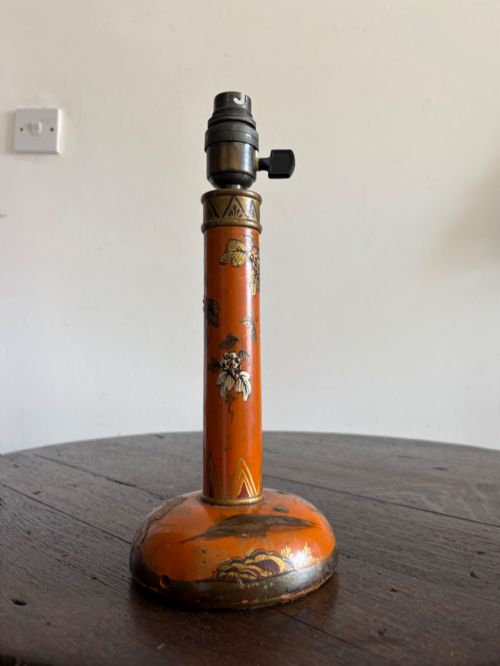

Chinese Lacquer Table
These Chinese lacquer table designs span centuries of craftsmanship, offering rich decorative surfaces and versatile forms that elevate any interior space.
Chinese Lacquer Table
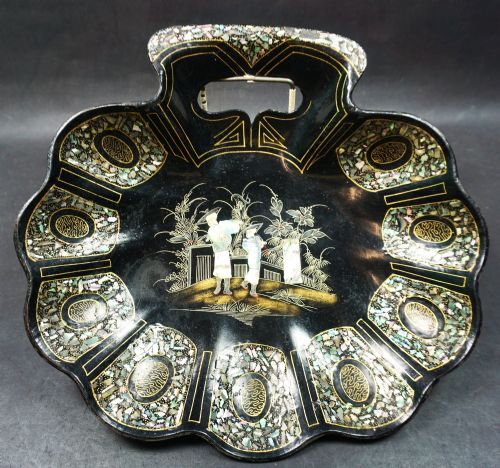
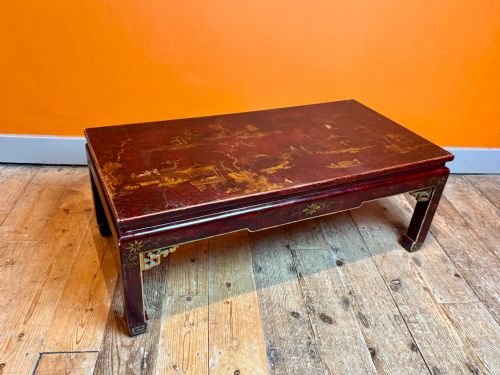
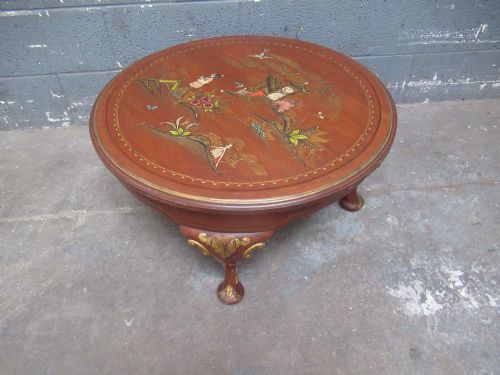
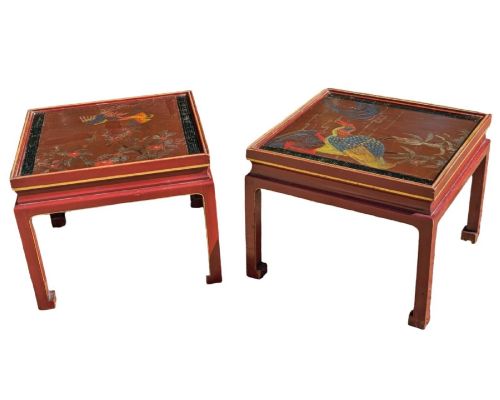
A chinese lacquer table brings together centuries of traditional Asian craftsmanship and functional household furniture. Buyers searching this phrase typically encounter low tables, side tables, coffee tables, and nests of tables spanning from the eighteenth century through to the early twentieth century. These pieces display a variety of regional and export aesthetics, including Chinoiserie and Qing Dynasty influences.
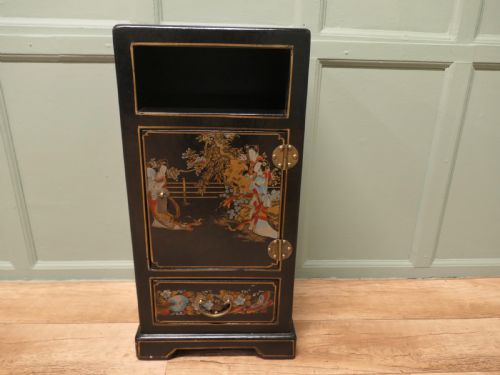
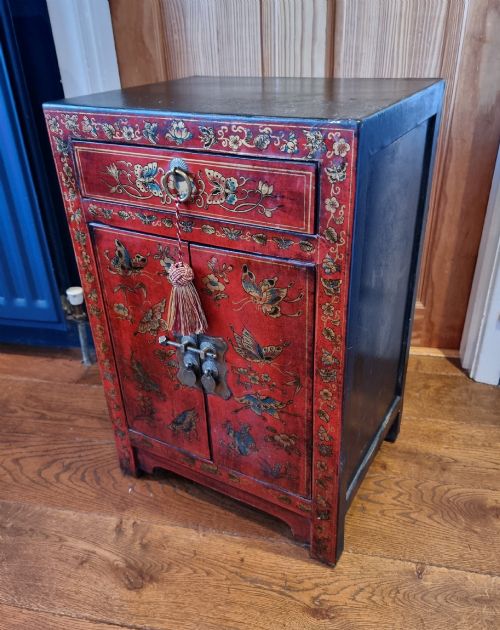
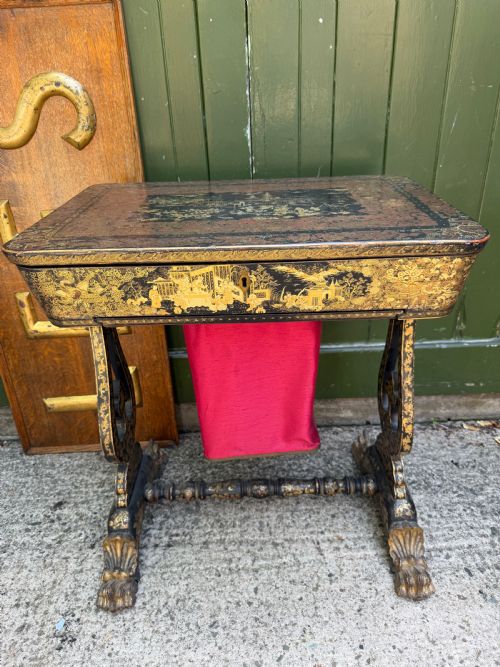
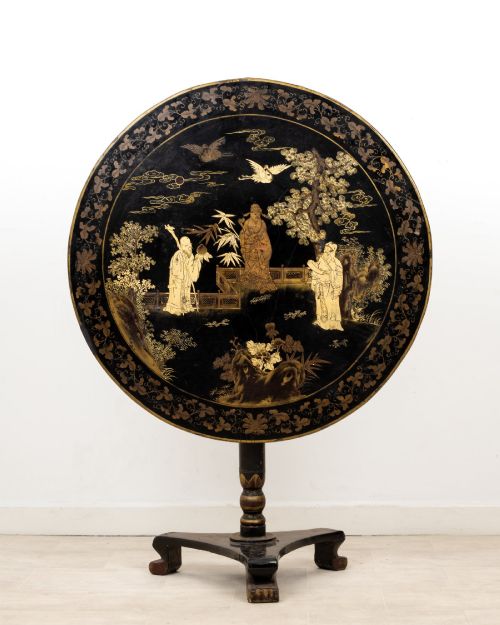
The selection ranges from compact occasional tables and plant stands to larger console tables and writing desks. Surfaces frequently exhibit detailed painted scenes, gilded highlights, or raised relief work on black, red, ochre, or cream backgrounds. Elm and hardwood form the structural foundation for many examples found on this page.
Alongside standard side and coffee tables, variations include tilt-top occasional tables and multi-tiered nests of four tables. Certain pieces reflect British Edwardian interpretations of Chinese design, known as Edwardian Chinoiserie. Each form serves both a practical domestic purpose and a decorative function within a room.
How they were made
Construction relies heavily on timbers such as elm and native hardwoods, providing sturdy frames for the application of lacquer finishes. Artisans built up multiple coats of lacquer to create smooth, durable surfaces capable of receiving intricate painted or gilded decoration. Gold leaf and hand-painted pigments added depth and colour to panels depicting traditional motifs.
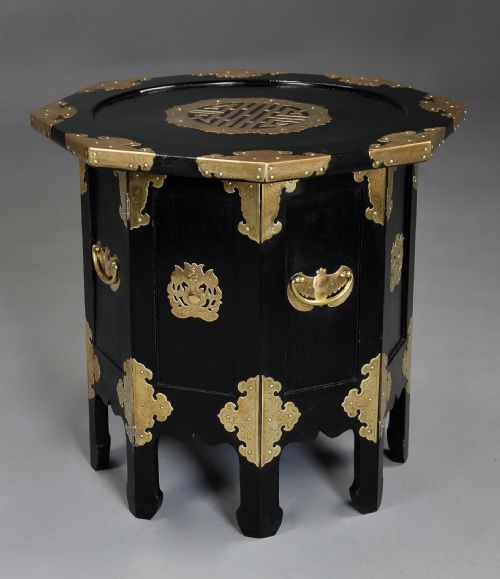
Techniques varied from provincial framing methods to elaborate export production involving raised relief detailing and brass or cloisonne embellishments. Ebonised finishes and specialised surface preparations appear across several pieces, particularly those created for Western export markets during the nineteenth and early twentieth centuries.
Chinese Lacquer Table Retail Price Guide 2026
Typical asking prices for chinese lacquer table among the pieces listed under this phrase on Sellingantiques today, from the lower quarter to the upper quarter. They describe what is for sale here now, not the wider market.
Listings feature items spanning the 18th century, Victorian era, Edwardian period, and early 20th century.
What varies in quality
Quality in these pieces rests upon the finesse of the surface decoration and the preservation of the original finish. Finer examples display meticulous hand-painted detail, crisp relief work, and harmonious integration of gilded elements. The depth and stability of the underlying lacquer layer further distinguish superior items from simpler provincial work.
Structural integrity of the timber, whether elm or hardwood, influences the overall standard of a piece. Well-preserved joinery and undisturbed original surfaces command greater appreciation among collectors, as alterations or heavy restoration diminish the historical integrity of the lacquer.
The Chinese Lacquer Table Glossary
- Chinoiserie
- European decorative style inspired by Chinese artistic traditions, prevalent in furniture and design during various periods.
- Lacquer
- Protective and decorative coating applied to wood in multiple layers, originating from natural tree resin.
- Nest of tables
- Set of graduated tables designed to fit neatly beneath one another when not in use.
- Chinese Export
- Goods manufactured in China specifically for export to Western markets, often blending Eastern and Western tastes.
- Ebonised
- Wood treated to resemble dense, black ebony through staining or painting techniques.
Chinese Lacquer Table: Frequently Asked Questions
What periods do these tables come from?
The pieces span multiple eras, with examples originating from the eighteenth, nineteenth, and early twentieth centuries. Victorian and Edwardian adaptations also appear alongside earlier Chinese provincial work.
Craftsmanship reflects the prevailing styles of each decade, ranging from Qing Dynasty export items to later twentieth-century interpretations.
How do I care for a lacquer surface?
Keep the timber away from direct sunlight and extreme temperature fluctuations to prevent the lacquer from cracking or fading. Dust gently with a soft, dry cloth without applying harsh chemical polishes.
Maintaining stable humidity in the room helps preserve both the wooden substrate and the delicate decorative finish.
Are nests of tables authentic?
Graduated sets of tables were produced extensively during the nineteenth century for both domestic use and the export market. They offer multiple surfaces while occupying the floor space of a single table.
Construction details and lacquer wear help confirm the period and origin of each individual table within the set.
What is the difference between export and domestic pieces?
Export items were tailored to Western aesthetic preferences, frequently featuring elaborate Chinoiserie decoration, brass mounts, or forms like nesting tables and writing desks. Domestic pieces often adhered strictly to regional Chinese traditions.
Both categories utilise local timbers like elm and hardwood, finished with traditional lacquer techniques.