





Chinese Lacquer Seats
Chinese lacquer seats bring striking oriental colour and rich tactile depth into a room, combining traditional craftsmanship with enduring form.
Chinese Lacquer Seats
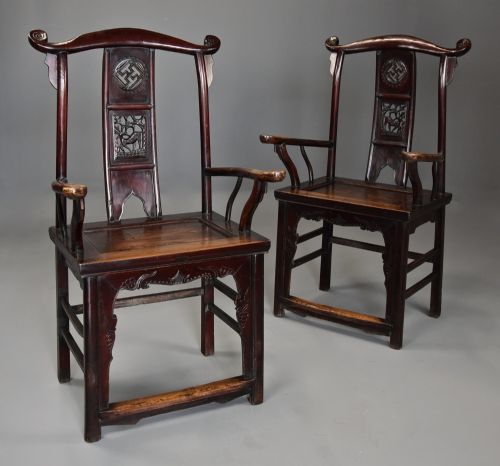
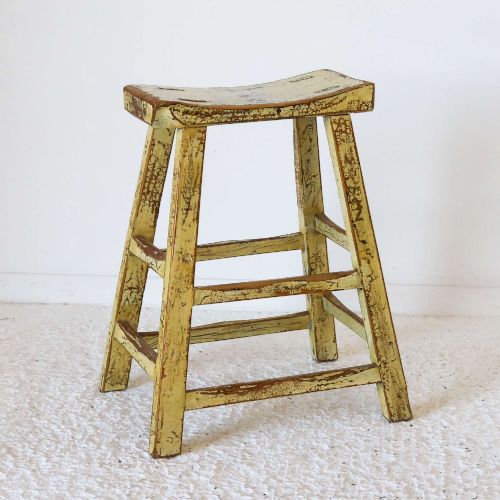
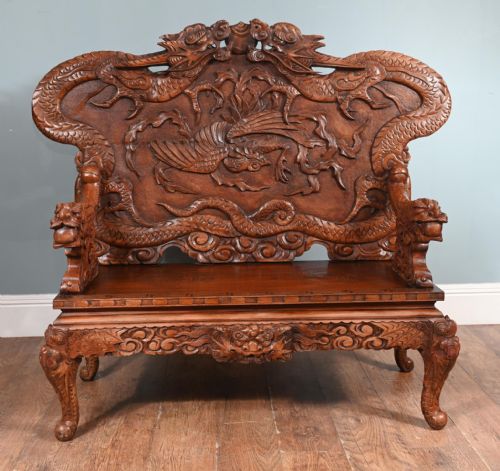
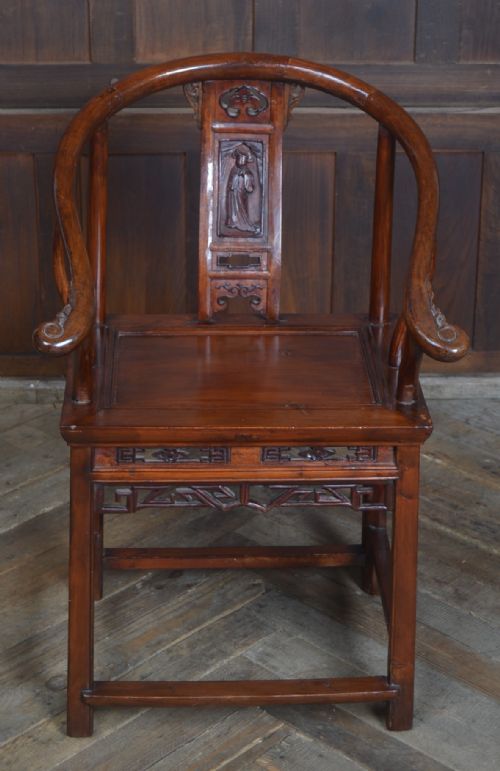
When searching for chinese lacquer seats, buyers encounter a diverse selection of seating and sculptural forms spanning the nineteenth century through to the Edwardian era. The most frequently met examples on this page are elm armchairs, side chairs, and benches finished in red or black lacquer, often incorporating carved details or original painted surfaces.
Beyond standard seating, the material encompasses footstools, corner seats, and sofas that bridge Qing Dynasty aesthetics with Western Chinoiserie tastes. Pieces range from provincial elm frames with simple patination to more ornate dragon benches featuring cinnabar lacquer.
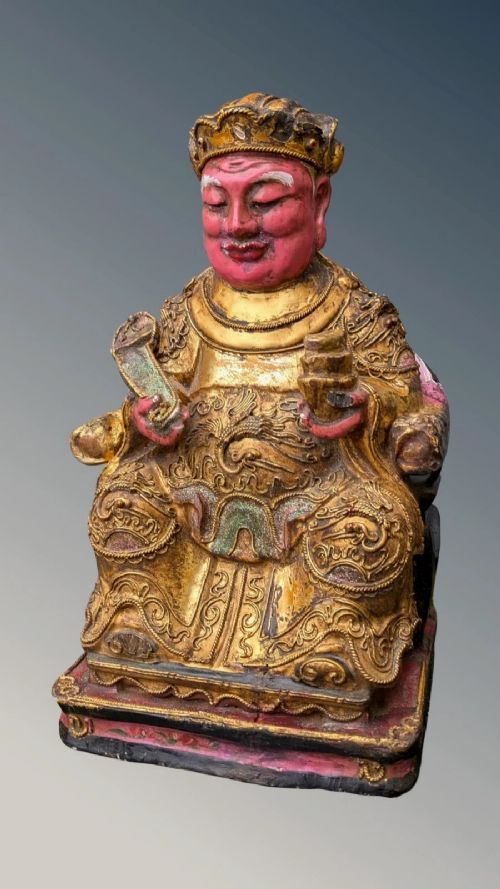
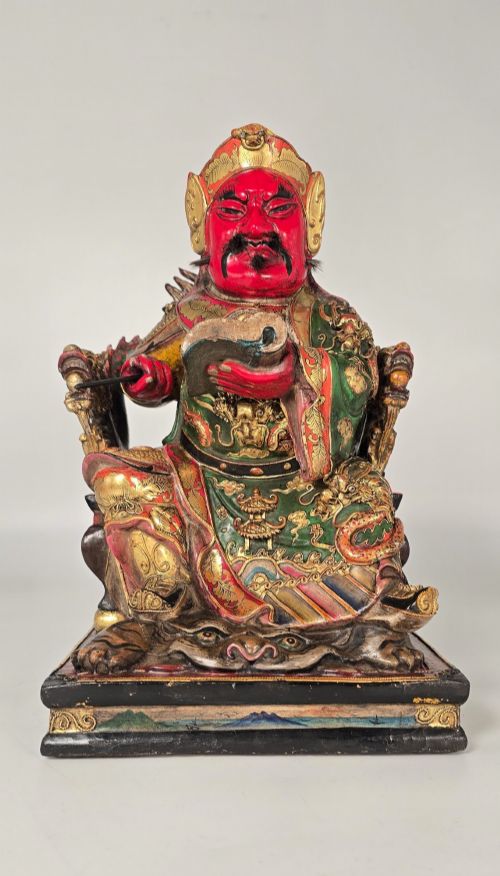
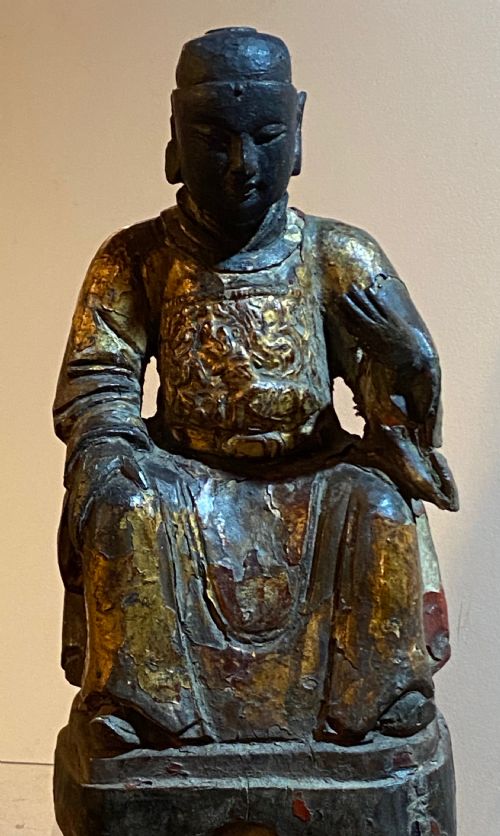
The selection also includes sculptural figures that share the same material heritage, offering a glimpse into the broader decorative arts of the period. Each piece reflects either native Chinese workshops or British adaptations of oriental styles.
What varies in quality
The integrity of the underlying timber framework and the preservation of the original surface finish dictate the standing of individual pieces. Elm chairs showing deep, honest patination with minimal restoration hold greater visual strength than heavily repainted examples.
Depth and crispness in carved details distinguish finer workshop output from simpler provincial output. The survival of original red or black lacquer without extensive flaking marks the distinction between preserved history and modern intervention.
Several armchairs retain scars from forgotten tea cups and centuries of quiet contemplation by scholars.
The Chinese Lacquer Seats Glossary
- Lacquer
- A durable resin finish applied in multiple layers to wood, creating a smooth and glossy protective coating. It forms the defining visual characteristic of these Asian and Chinoiserie furnishings.
- Elm
- A tough, interlocking timber commonly used by Chinese cabinetmakers for seating frames due to its resistance to splitting. It accepts lacquer finishes particularly well while retaining a distinct grain.
- Cinnabar
- A bright red mineral pigment traditionally used to colour thick layers of lacquer before intricate carving. Cinnabar surfaces reveal subtle tonal variations when shaped.
- Chinoiserie
- A European decorative style reflecting Chinese artistic influences, popular during the Victorian and Edwardian periods. It appears on domestic furniture adapted for Western interiors.
- Patina
- The deep sheen and surface alteration developed through age and regular handling. A good patina indicates genuine historic use rather than artificial ageing.
Chinese Lacquer Seats: Frequently Asked Questions
How do I clean a lacquered seat?
Dust the surface regularly with a soft, dry cloth to prevent abrasive particle buildup. Avoid harsh chemical cleaners and moisture, which can damage aged finishes.
For stubborn marks, use a slightly damp cloth followed immediately by a dry one. Preserving the original surface requires gentle maintenance rather than aggressive polishing.
Are these chairs comfortable for daily use?
Most antique Chinese seating was built for upright posture rather than lounging. Wooden seats and rigid armchairs function best as accent pieces or occasional chairs.
Adding a custom textile cushion can improve seating comfort without altering the underlying antique frame. Many buyers mix them with modern upholstery for balanced living spaces.
How do I date a lacquer finish?
Examination of the underlying timber wear, craquelure patterns, and pigment composition helps determine age. Nineteenth-century pieces often show natural shrinkage and softening of the lacquer edges.
Comparing construction methods with documented period pieces provides further chronological context. Scientific analysis remains rarely necessary when surface wear aligns with expected ageing.
What is the difference between elm and hardwood?
Elm offers a fibrous, resilient structure with a prominent grain that shows through translucent lacquer layers. Hardwoods used in these pieces are typically denser and heavier, supporting sharper carved details.
Both materials were chosen for structural stability in fluctuating climates. Elm tends to dominate provincial Chinese seating, while denser hardwoods appear in more formal commissions.