




Chinese Hardwood Ornament
A chinese hardwood ornament brings carved detail and traditional form into a room.
Chinese Hardwood Ornament
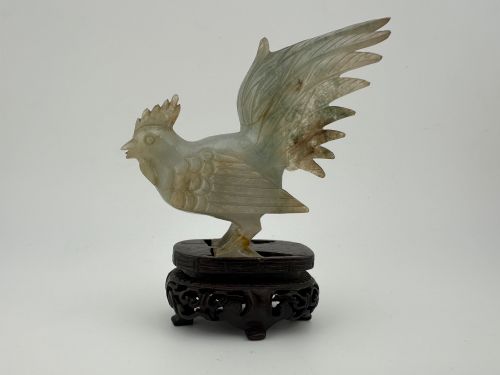
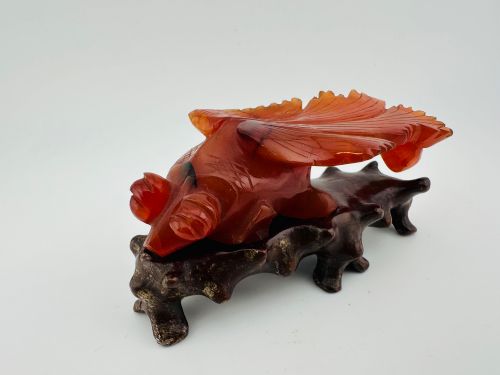
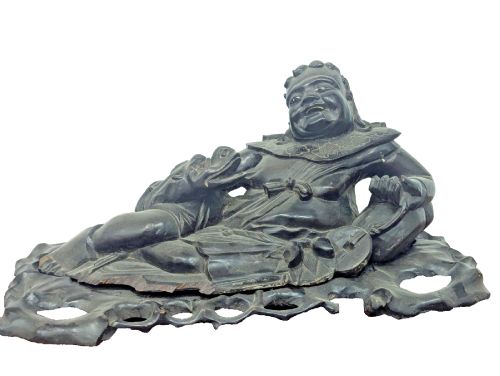
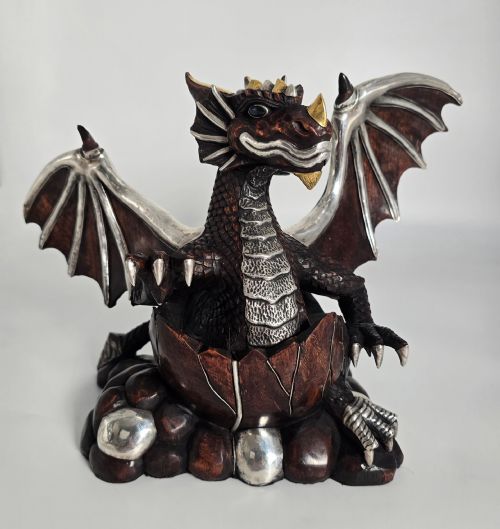
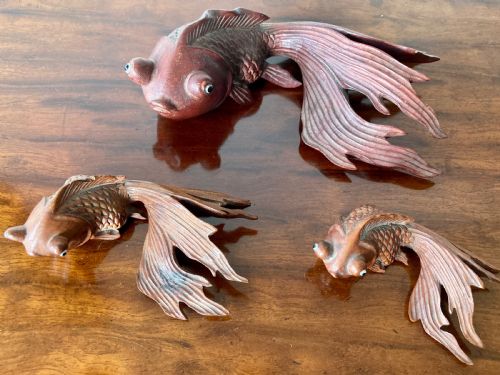
A chinese hardwood ornament encompasses carved figures, animals and table displays created across the nineteenth and early twentieth centuries. These objects range from representations of figures like the Laughing Buddha and Daoist immortals to animal carvings such as water buffaloes, elephants and dragons.
The versions most commonly met on this page span the late nineteenth century and the Qing Dynasty tradition. Buyers encounter both standalone sculptures and items incorporating stands, glass, brass, bone, silvered metal, jadeite and silk.
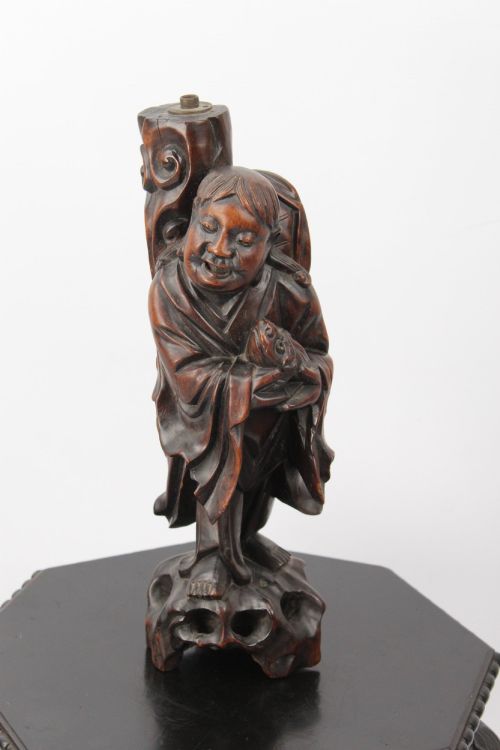
Forms include decorative sculptures, wood carvings, table screens, table gongs and root wood carvings. Each piece reflects traditional Chinese subject matter executed in dense timber.
How they were made
Craftsmen utilised dense hardwood and root wood as the primary medium for these carvings, often shaping the timber by hand to follow natural contours. Details were then meticulously carved using specialised chisels and gouges to define folds in garments, facial expressions and animal musculature.
Certain pieces integrate mixed metals, brass, bone, silvered metal, jadeite or silk panels mounted within the carved wooden frames and stands. These contrasting elements highlight the textural variety achieved in traditional workshops.
Object types on this page include table screens, table gongs, root wood carvings, and animal sculptures.
What varies in quality
The choice and integration of secondary materials also dictate overall distinction. Pieces combining intricate hardwood frames with jadeite, silk or mixed metal mounts demonstrate a higher level of workshop ambition.
The Chinese Hardwood Ornament Glossary
- Hardwood
- Dense timber selected for fine carving and structural stability. This material allows artisans to achieve sharp, lasting details without splitting.
- Budai
- A representation of the Laughing Buddha often depicted with an elephant or auspicious symbols. This figure symbolizes contentment and abundance in traditional carving.
- Table Screen
- A decorative panel supported by a carved stand for display on a desk or table. These items frequently combine wood with silk or stone panels.
- Root Wood
- Timber shaped by the natural growth patterns of tree roots and utilised for organic sculptures. Artisans work around the natural knots and twists of the grain.
Chinese Hardwood Ornament: Frequently Asked Questions
How do I date a chinese hardwood ornament?
Dating relies on the stylistic markers of the Qing Dynasty and the tool marks left on the timber. Nineteenth-century examples often display deep hand carving and a dry patina built up over decades of handling.
Later pieces from the early twentieth century may show different finishing techniques or changes in proportion. Comparing the joinery of associated stands provides further clues to the period.
Were these items used for display?
These carvings served primarily as decorative objects within scholar's studios and traditional interiors. Table screens and standalone figures added auspicious symbolism and visual refinement to domestic spaces.
Larger sculptures and animal pairs were positioned on furniture or dedicated stands. Their placement reflected traditional aesthetic values and philosophical narratives.
How should I care for hardwood carvings?
Maintenance requires keeping the timber away from direct sunlight and rapid humidity fluctuations. A soft, dry cloth removes dust from intricate crevices without harming the patina.
Avoid applying modern polishes or oils to the surface. Allowing the wood to breathe preserves the original finish.
What subjects appear most frequently?
Common subjects include mythological figures, Daoist immortals, and animals such as water buffaloes and elephants. Each motif carries specific cultural meanings within traditional Chinese art.
Dragons and aquatic creatures also appear frequently in sculptural forms and mounted displays. These themes connect the decorative arts to traditional folklore.