
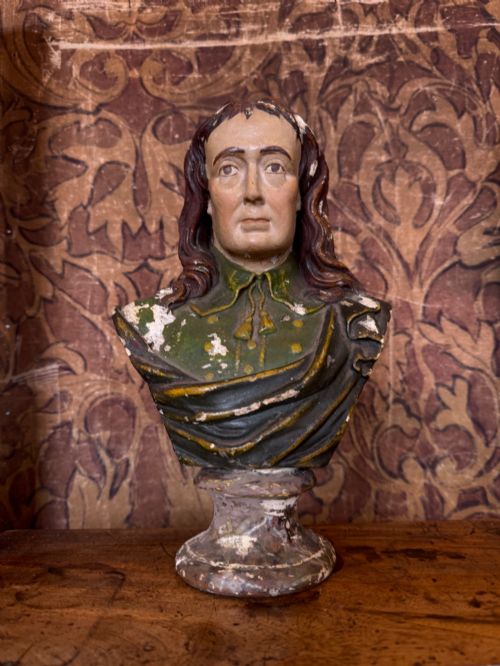


Carved Wood Desk Ornament
A carved wood desk ornament brings character to a study, taking the form of animals and figures crafted in various global traditions.
Carved Wood Desk Ornament
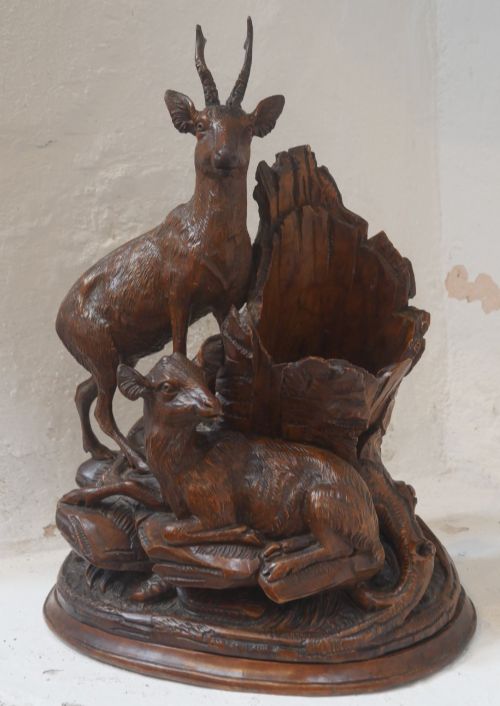
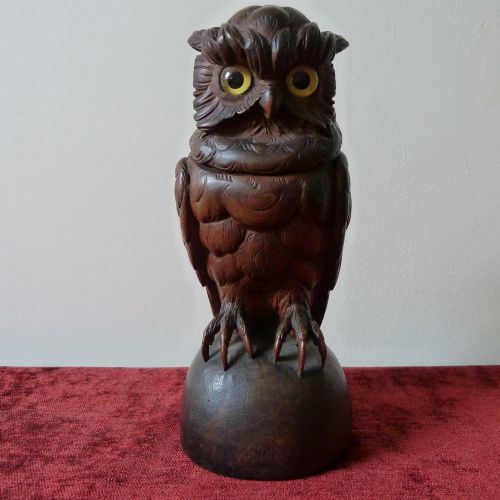
A carved wood desk ornament serves a functional or decorative purpose on a writing surface, encompassing items such as inkwells, match holders, bookends, and animal sculptures. These objects originate from several distinct traditions, including Black Forest carvings, Anglo-Indian colonial work, Chinese root wood, and Japanese okimono.
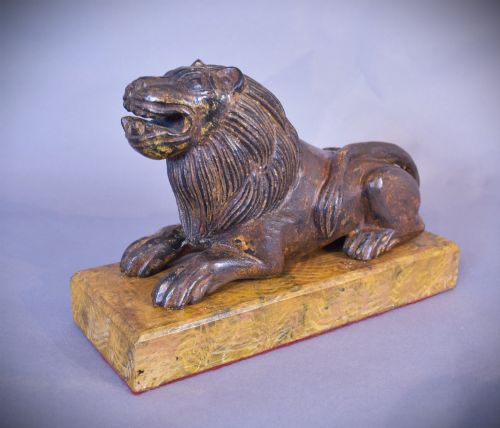
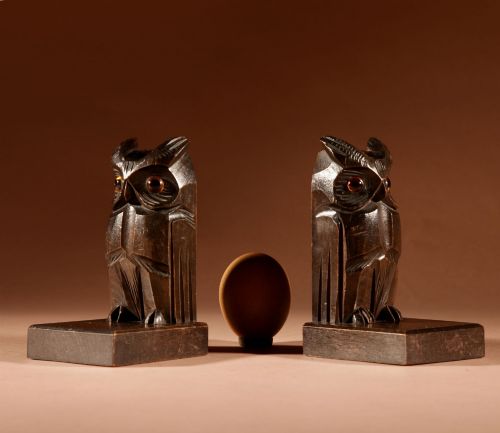
The pieces span from the seventeenth century through the Art Deco period of the nineteen-thirties, with Victorian and early twentieth-century examples appearing frequently. Animal subjects predominate, featuring dogs, elephants, owls, lions, and goats executed in varying scales from miniature paperweights to larger desk stands.
How they were made
Maker's workshops utilised regional timbers suited to intricate carving, employing hardwoods such as ebony and teak alongside softer limewood and boxwood. Metal mounts in brass or mixed metals occasionally complement the wooden elements, particularly in Chinese and Art Deco designs.
Skilled hands shaped the material using chisels and gouges to render fine details like fur texture, feathers, and facial expressions. Surface treatments range from natural polished wood finishes to detailed hand carving without applied colour.
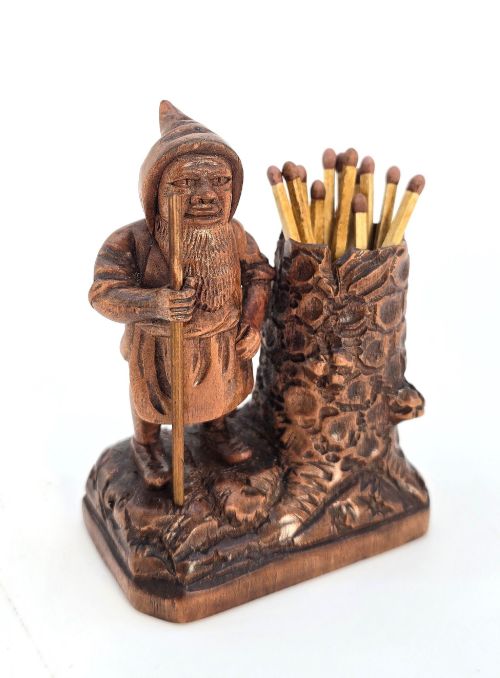
Match strikers disguised as mischievous gnomes keep your desk company while guarding the safety of your sulphur matches.
What varies in quality
Integration of function with form also marks the better examples, where inkwells, match holders, and bookends balance utility with sculptural presence. The clarity of signature work or distinct regional styles adds weight to individual pieces.
Laszlo Hoenig
The Carved Wood Desk Ornament Glossary
- Black Forest
- A style of wood carving originating from the Brienz region of Switzerland, characterised by realistic depictions of animals, particularly bears, dogs, and owls. These pieces often function as inkwells, match holders, or bookends.
- Okimono
- A Japanese decorative sculpture designed for display on a shelf or desk rather than a traditional altar. They are typically small in scale and carved from boxwood, bamboo, or ivory.
- Root wood
- Timber formed from the root system of a tree, highly prized in Chinese carving for its gnarled, organic shapes. Craftsmen incorporate these natural contours directly into the final sculpture.
- Anglo-Indian
- Items produced in India during the British colonial period, combining traditional local craftsmanship with European furniture forms and desk accessories. Ebony, teak, and sandalwood are common materials in this tradition.
Carved Wood Desk Ornament: Frequently Asked Questions
What is a carved wood desk ornament?
A carved wood desk ornament is a decorative or functional desk accessory shaped from timber, often depicting animals, figures, or natural forms. Examples include inkwells, match holders, paperweights, and small sculptures.
These pieces reflect diverse cultural traditions and periods, ranging from Swiss Black Forest carvings to nineteenth-century Chinese root wood and Anglo-Indian work.
How do I identify Black Forest carvings?
Black Forest carvings are typically rendered in linden or walnut and focus heavily on realistic animal subjects such as dogs, bears, and deer. They frequently incorporate practical elements like glass inkwells or match strikers.
The style originates from the Swiss woodcarving industry of the nineteenth and early twentieth centuries, known for deep, textured detailing of fur and foliage.
What materials are used in these desk ornaments?
Makers utilised a wide array of woods depending on the regional tradition and desired level of detail. Softer woods like limewood and linden suited European animal studies, while denser materials such as ebony, teak, and boxwood appear in Anglo-Indian and Japanese pieces.
Some examples feature mixed metal mounts or brass details to accent the carved wooden structure.
How were these items used originally?
Many desk ornaments served daily administrative purposes in studies and offices, holding ink for writing, matches for lighting candles or pipes, or keeping books upright. Others functioned purely as decorative paperweights or conversation pieces.
Sculptural figures and small animal studies brought elements of nature and exotic travel into nineteenth-century domestic interiors.