


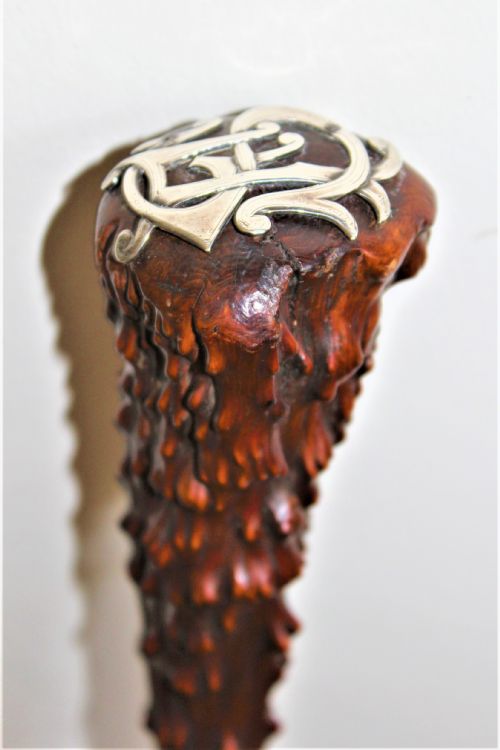
Silver Mounted Wood Carving
Silver mounted wood carving combines carved timber with precious metal mounts, offering both utility and decorative charm for any collector.
Silver Mounted Wood Carving
Silver mounted wood carving brings together carved timber and worked metal, creating items that range from practical accessories to decorative objects. When you search for silver mounted wood carving, you encounter pieces spanning from the eighteenth century through the Victorian era and into the Art Deco period.
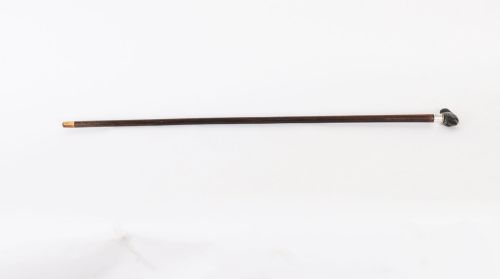
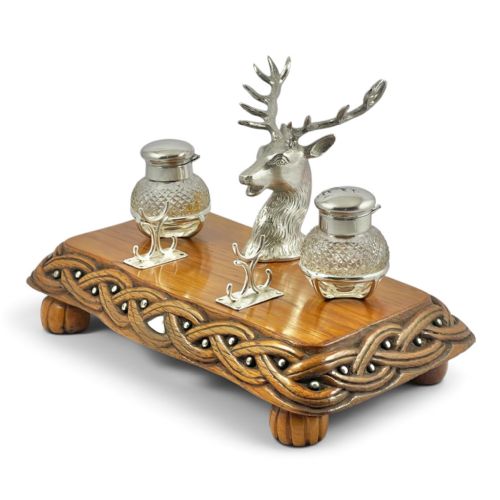
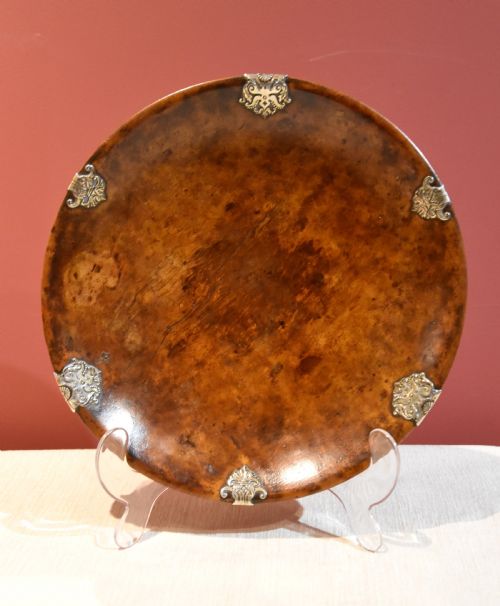
The most common forms you will meet on this page are walking sticks and canes, alongside bowls, sculptures, and desk accessories like inkstands. These pieces utilise various timbers, including oak, hardwood, burr walnut, and coquilla nut, paired with silver or mixed metal mounts.
Origins vary from British regional pieces, such as Scottish oak work, to Chinese carvings and fairground art fragments. Each item showcases the intersection of woodwork and metalworking traditions from its specific period.
How they were made
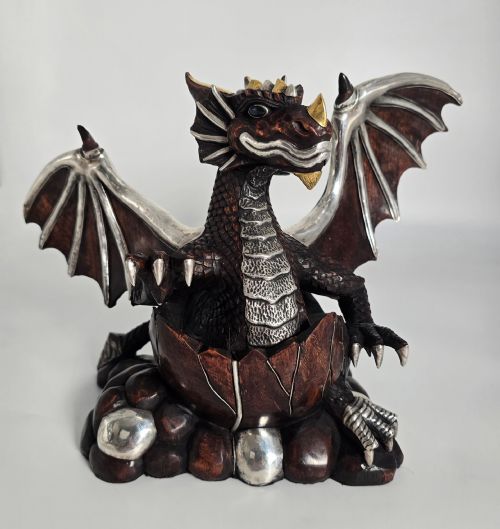
Maker techniques rely on shaping dense timbers or natural forms, using hand carving to create detailed surfaces such as animal heads, dragons, or organic textures. Hardwoods and treen provide the durable foundation required for functional items like walking sticks and ladles.
Precious metal mounts are fitted to the wood to reinforce high-wear areas or to add decorative functional elements like snuff box handles and collars. Silver is shaped and fixed securely to the timber body, often accompanied by brass, horn, or glass details.
Materials paired with wood across these listings include glass, brass, horn, and mixed metals alongside silver.
What varies in quality
Quality rests in the precision of the carving and the integration of the metal mount with the wooden body. Finer pieces demonstrate careful attention to anatomical detail in animal carvings or balanced proportions in bowls and inkstands.
The selection of materials also dictates the standard of the piece, with dense burr woods, coquilla nut, or substantial silver mounts elevating the work above simpler utility items.
The Silver Mounted Wood Carving Glossary
- Treen
- Small handmade wooden household objects. These items encompass utilitarian pieces like ladles and bowls shaped from turned or carved wood.
- Coquilla nut
- The hard, brown nut of the South American piassava palm. Carvers utilise this dense material for small detailed objects such as toddy ladles.
- Inkstand
- A desk stand holding inkwells and pen trays. Examples often combine wooden bases with fitted silver mounts and glass inserts.
- Burr walnut
- Wood taken from a tree growth featuring intricate grain patterns. This material provides highly decorative surfaces for bowls and boxes.
- Gadget cane
- A walking stick concealing a functional compartment or tool. These novelty items frequently feature hidden snuff boxes or mechanisms.
Silver Mounted Wood Carving: Frequently Asked Questions
What are silver mounted wood carvings?
These items are functional and decorative objects made from carved timber and fitted with silver hardware. They include walking canes, bowls, desk items, and sculptures.
They represent various design movements and craftsmanship traditions from the eighteenth century to the early twentieth century.
How were walking sticks used?
Walking sticks served as daily walking aids and fashion accessories for gentlemen and ladies. Some examples incorporated hidden compartments like snuff boxes for personal use.
Sturdy natural forms and gadget canes reflect the practical requirements and playful novelties of the nineteenth and early twentieth centuries.
How do I care for wooden pieces?
Keep wooden objects away from direct heat sources and extreme humidity fluctuations to prevent the timber from splitting. Dust them gently with a soft, dry cloth.
Silver mounts can be cleaned sparingly with a suitable polish, taking care to avoid getting chemicals onto the surrounding wood.
How do I identify the period?
Dating relies on stylistic clues, manufacturing techniques, and material choices characteristic of specific eras like the Victorian period or Art Deco. Design motifs such as Celtic revival patterns or clean geometric lines offer further context.
Hallmarks on the silver mounts, where present, provide the most precise indication of the date and place of manufacture.