




Chinese Guardian Dogs
Chinese guardian dogs are traditional protective figures carved or modelled in various materials to ward off malevolent forces.
Chinese Guardian Dogs
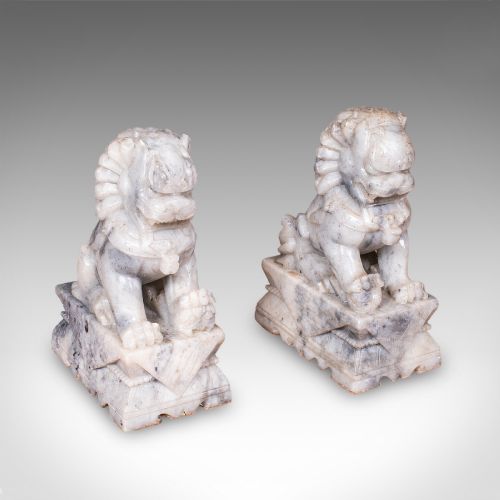
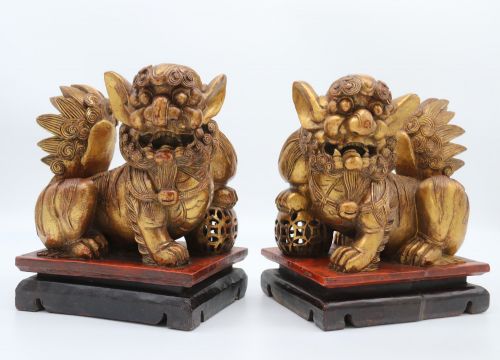
Chinese guardian dogs, frequently known as Foo dogs or temple lions, serve as symbolic protectors of sacred spaces and domestic thresholds. Buyers searching for chinese guardian dogs encounter pairs intended to flank entrances or single figures carved for scholars' desks.
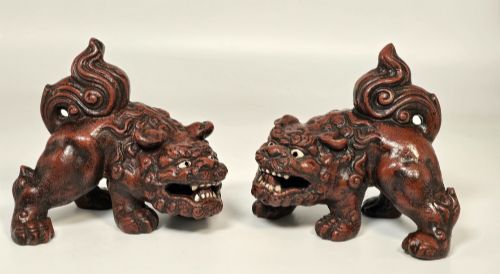
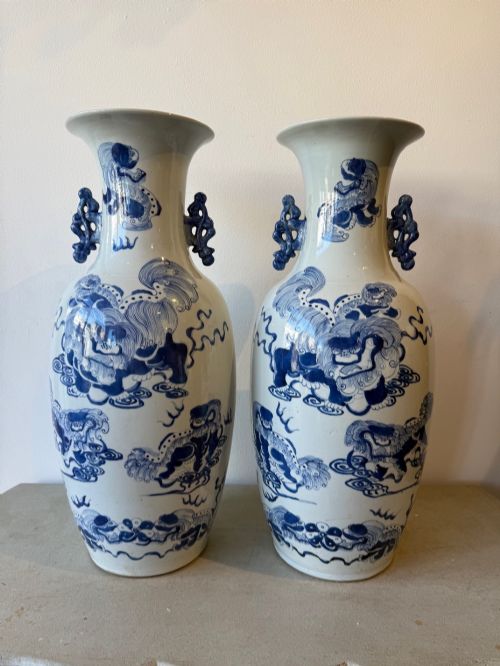
The objects take many sculptural forms, ranging from monumental temple figures and mantle bookends to small desk seals and incense burners. These protective sculptures appear in matched pairs or solitary pieces across the selection.
Most examples originate from the nineteenth century through the mid-twentieth century, encompassing the Qing dynasty, Republic period, and Victorian eras. Materials span carved hardwoods, glazed ceramics, and solid bronzes.
How they were made
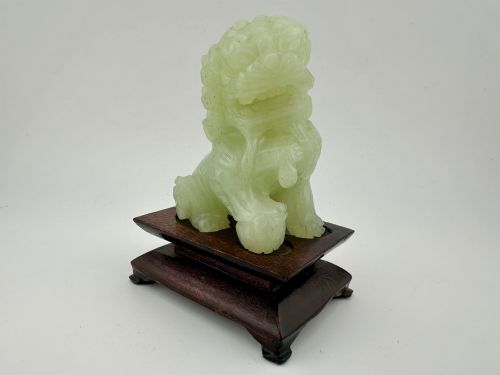
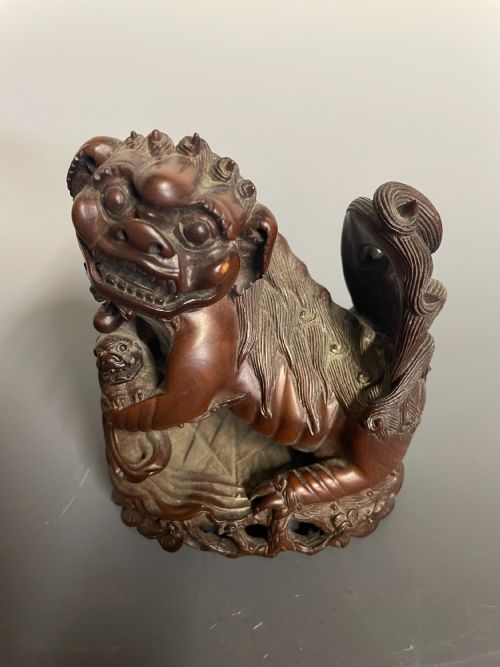
Artisans carved these guardian figures from dense hardwoods like boxwood and root wood, or shaped them from soft minerals such as soapstone and jade. Stone carvings rely on precise chisel work to define the curly manes and muscular frames.
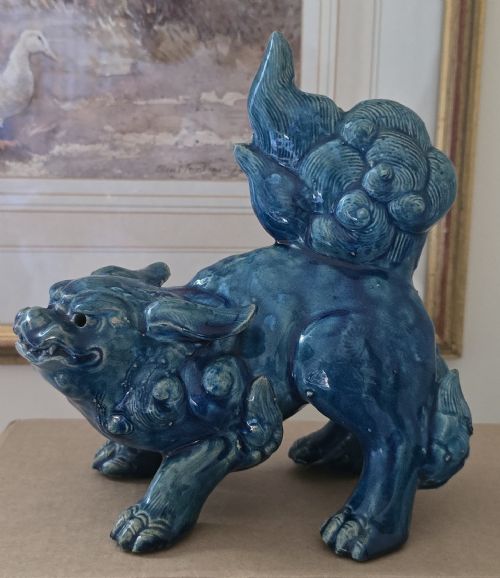
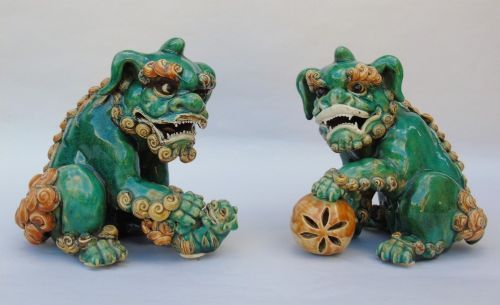
Ceramic versions combine moulded earthenware with coloured glazes, including sancai palettes, turquoise finishes, and blue and white enamels. Metal variants utilise bronze, brass, and cast iron, often enhanced with gilt surface details or lacquer.
Chinese Guardian Dogs Retail Price Guide 2026
Typical asking prices for chinese guardian dogs among the pieces listed under this phrase on Sellingantiques today, from the lower quarter to the upper quarter. They describe what is for sale here now, not the wider market.
Listings feature guardian dogs rendered in ceramic, wood, glaze, gilt, bronze, brass, soapstone, and jade across the nineteenth and twentieth centuries.
What varies in quality
Material selection determines much of the distinction, as unblemished jade, heavy cast bronze, and finely grained boxwood command greater attention than simple earthenware or cast iron. The preservation of original surface finishes, whether coloured glazes, gilding, or polished wood patination, defines the desirability of each sculpture.
The Chinese Guardian Dogs Glossary
- Foo dog
- A Western term for Chinese guardian lions, which are stylized representations of Buddhist lions rather than actual canines. These mythical beasts combine the majesty of the lion with traditional guardian iconography.
- Shih-tzu
- An alternative term occasionally applied to these guardian lion figures, relating to the Chinese word for lion dog. They traditionally protect doorways and temples from harmful spirits.
- Sancai
- A traditional three-colour ceramic glaze technique often seen on pottery figures from the historical periods. The method uses intersecting lead glazes in amber, green, and cream tones.
- Qing period
- The final imperial dynasty of China, spanning from the seventeenth to the early twentieth century. Objects from this era often display traditional court styles and intricate symbolic decoration.
- Republic period
- The era in Chinese history following the fall of the imperial dynasties, lasting through the mid-twentieth century. Carvings from this time frequently utilise jade and hardstone with refined detail.
Chinese Guardian Dogs: Frequently Asked Questions
What is a Chinese guardian dog?
These figures represent mythical Buddhist lions rather than real dogs, designed to guard structures and homes.
They traditionally stand in pairs outside thresholds, with one male holding a ball and a female restraining a cub.
How were they used in homes?
Smaller versions function as bookends, desk seals, or decorative mantel statues for interior spaces.
Larger bronze and stone examples served as temple guardians or heavy architectural door plates.
What materials do collectors look for?
Carved hardstones like jade and soapstone appear alongside organic media such as boxwood and root wood.
Ceramics with turquoise or sancai glazes and cast bronze or gilt metals are equally common.
How do you date a guardian dog?
Dating relies on identifying material characteristics, manufacturing techniques, and stylistic markers linked to specific periods.
Objects often correspond to nineteenth-century Qing traditions, Victorian interpretations, or Republic period carving styles.