


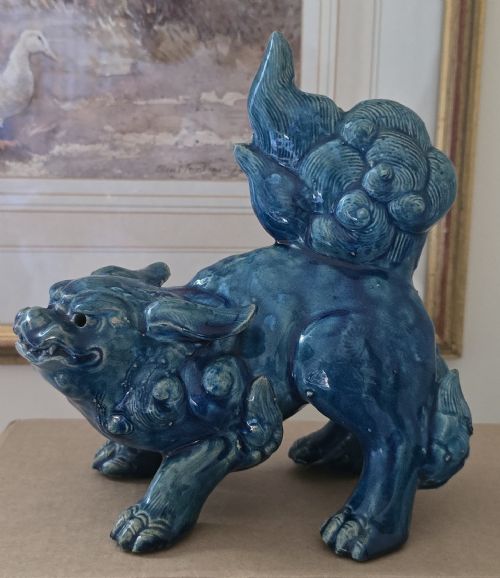
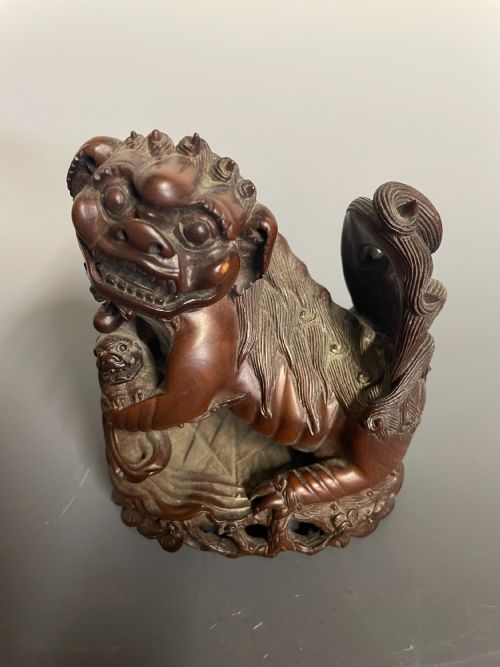


Chinese Foo Lion
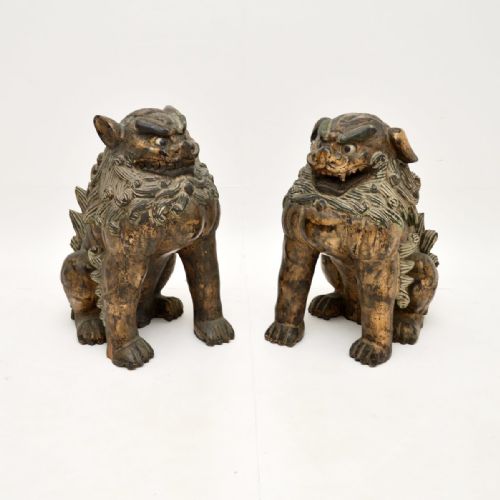
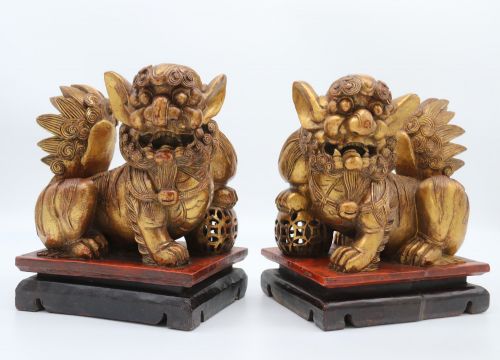
These chinese foo lion figures are powerful temple guardians and domestic protectors modelled in bronze, ceramic, and carved wood.
Chinese Foo Lion
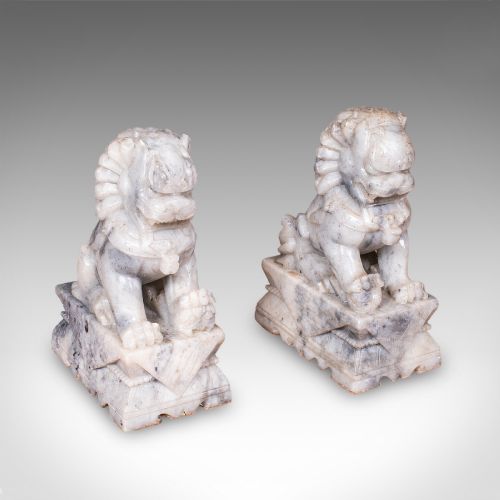
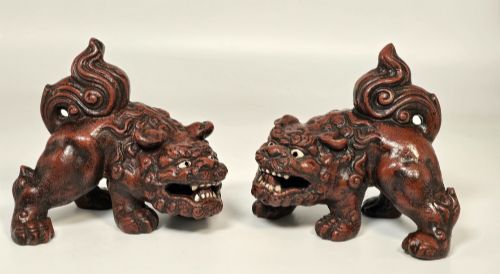
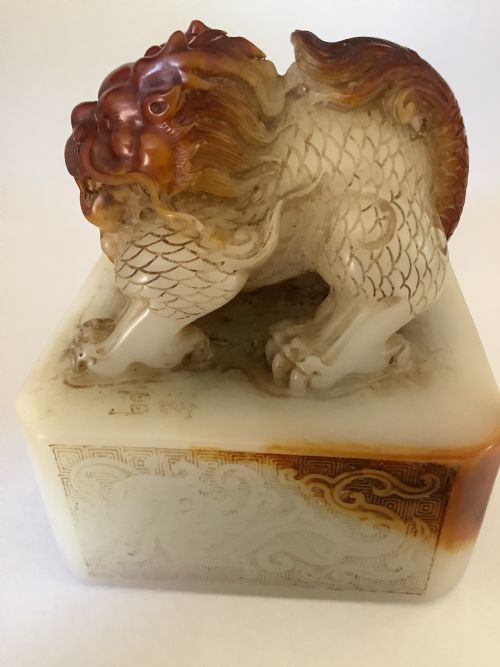
A chinese foo lion, also known as a dog of fo or Buddhistic lion, is a traditional guardian figure modelled as a stylized lion rather than a real animal. Buyers encounter these creatures taking several distinct forms across this selection, including pairs of statues, temple guards, incense burners, seals, bookends, and lamps.
The pieces span multiple centuries and stylistic revivals, with nineteenth-century examples appearing frequently alongside items from the seventeenth, eighteenth, and early twentieth centuries. Qing dynasty influences and traditional Chinese aesthetics dominate the designs, though related Japanese Meiji period and European cast iron interpretations also emerge in the records.
Materials and construction
Metalwork pieces rely heavily on bronze, brass, and gilt, often shaped into censers, seals, and large temple lions using traditional casting methods. Bronze examples frequently incorporate cloisonné work or detailed chasing to define the powerful limbs and curling manes.
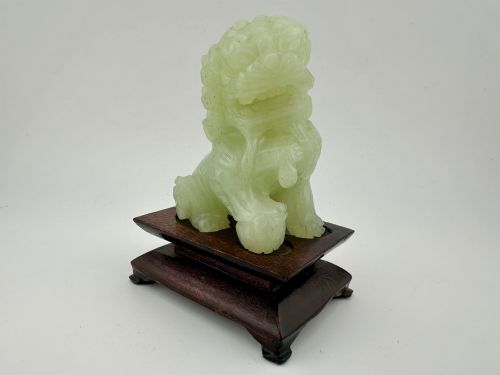
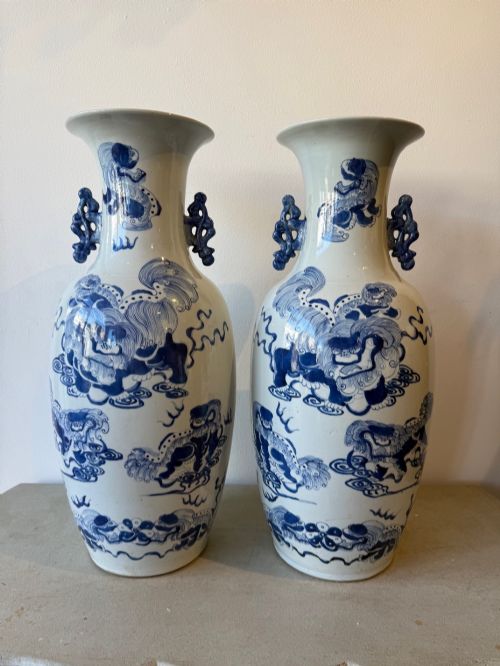
Organic and ceramic materials form an equally substantial group, utilising carved wood, boxwood, root wood, soapstone, and jade-type minerals alongside porcelain, pottery, and earthenware. Potters employ turquoise, sancai, pale green, and blue and white glazes to finish figures decorated with enamels.
Sculptural assembly combines carving, lacquer, and glazing techniques, particularly visible in wooden temple guards and pairs of pottery Buddhist lions produced around nineteen hundred.
Chinese Foo Lion Retail Price Guide 2026
Typical asking prices for chinese foo lion among the pieces listed under this phrase on Sellingantiques today, from the lower quarter to the upper quarter. They describe what is for sale here now, not the wider market.
Evaluating the pieces
Material selection and finish further divide the range, where heavy cast bronzes, select boxwood or root wood carvings, and carefully controlled porcelain glazes achieve greater presence than simpler moulded pottery or later cast iron interpretations.
The Chinese Foo Lion Glossary
- Foo Lion
- A traditional guardian figure representing a Buddhist lion, commonly paired as a male with a ball and a female with a cub. These mythical beasts stand outside temples and domestic spaces to provide protection.
- Shishi
- An alternative term for a stone lion or dog of fo originating from Japanese and Chinese sculpture traditions. The word translates directly as lion.
- Censer
- A vessel designed for burning incense, frequently surmounted by a foo lion acting as a finial or integrated into a bronze tripod body. These burners appear in both domestic and temple contexts.
- Sancai
- A traditional three-colour ceramic glaze technique utilising amber, green, and cream or white tones. This glaze style appears on nineteenth-century pottery figures.
- Seal
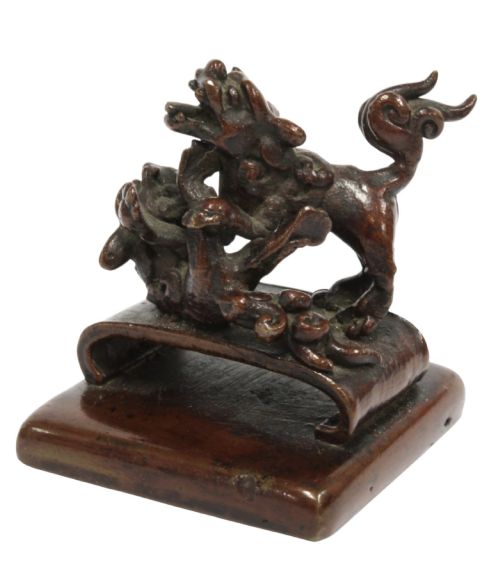
- A carved stamp or scholarly desk accessory, often formed from soapstone, jade-type minerals, or bronze, topped with a small guardian lion sculpture.
Chinese Foo Lion: Frequently Asked Questions
What is a chinese foo lion?
A chinese foo lion is a mythical guardian figure derived from traditional Buddhist temple architecture. These creatures combine the majesty of a lion with the loyalty of a dog to guard sacred spaces.
They appear across various materials including bronze, porcelain, and carved wood, serving as statues, incense burners, seals, and decorative pairs.
How were foo lions used?
Historically, these figures stood outside temples, palaces, and official residences as protective guardians. Pairs typically position a male holding an embroidered ball beneath his paw alongside a female restraining a playful cub.
Smaller domestic versions function as desk seals, bookends, lamps, and incense burners for scholarly and household settings.
Are they dogs or lions?
Despite the common Western designation as dog of fo, the iconography actually represents stone lions from Buddhist tradition. Lions were not native to China, so early artists sculpted them based on temple temple dogs and domestic hounds, blending the two concepts.
The resulting figures retain canine loyalty combined with the flowing manes and fierce expressions of imperial lions.
How do I date a foo lion?
Dating relies on examining the material composition, casting technique, and stylistic markers associated with specific dynasties and periods. Seventeenth and eighteenth-century examples often show deeper patination and denser carving in wood or bronze.
Nineteenth and early twentieth-century pieces introduce diverse ceramic glazes, such as sancai and turquoise, alongside transitional styles and European interpretations.