



Chinese Floral Table
A chinese floral table brings hand-carved hardwoods and floral porcelain into daily rooms, offering surface and ornament through centuries of tradition.
Chinese Floral Table
A chinese floral table encompasses low coffee tables, plant stands, altar tables, and wine tables made from the nineteenth century into the early twentieth century. These pieces bridge traditional forms with decorative surfaces, often integrating porcelain jars or cloisonné enamel into functional furniture.
Originating across Qing Dynasty, Chinese Export, and Chinoiserie styles, these items reflect both traditional domestic use and pieces made specifically for export markets. The variety ranges from low opium tables to tall pedestals designed to display ceramics and plants.
Materials and Construction
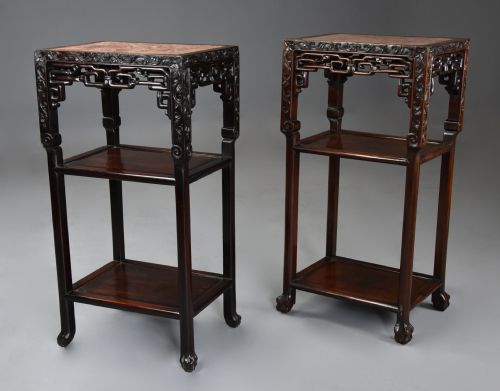
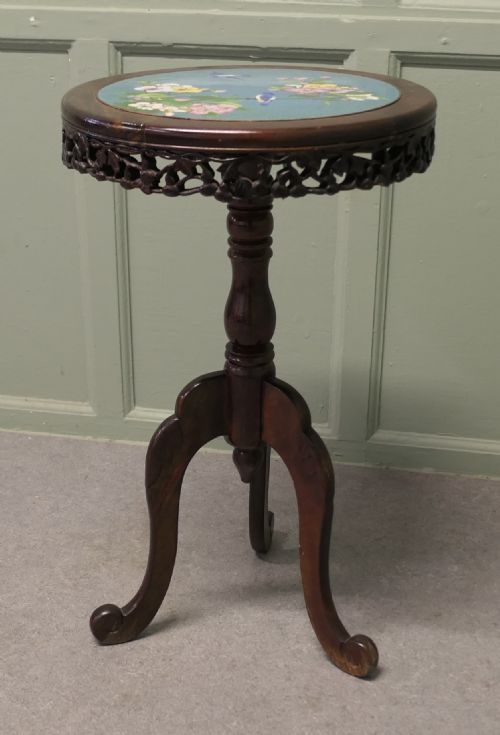
Makers utilised dense timbers such as rosewood, hongmu, and mahogany for structural frames, employing traditional joinery that avoided metal fasteners. Hardwood surfaces often receive detailed hand-carving displaying floral scrolls and botanical elements.
Insets of white marble feature prominently in the tops of plant stands and vase supports, chosen for its smooth, cool surface and contrasting grain. Other variants incorporate lacquered painted panels or brass and ormolu mounts to frame the timber.
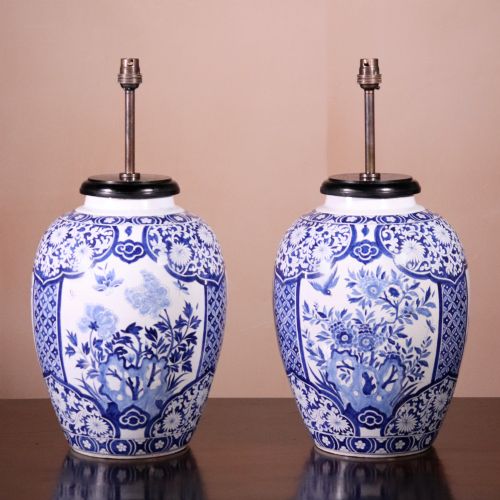
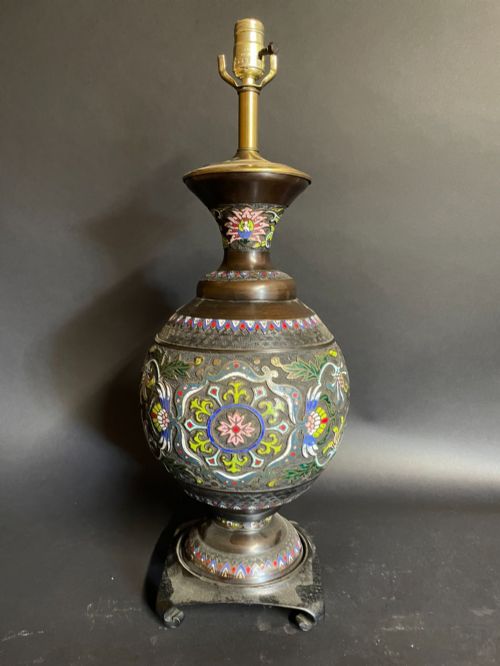
Porcelain elements utilised in lamp tables and vase conversions showcase blue and white, famille verte, and famille rose glazes. Cloisonné enamel sections apply soldered wire compartments filled with coloured vitreous pastes to create floral patterns.
Listings feature pieces spanning the nineteenth century through to the early twentieth century, including Victorian interpretations.
Assessing Quality and Execution
Depth and precision in hand-carved floral details distinguish finer examples from simpler production. Crisp execution in wood carving and the tightness of timber joints indicate higher standard workshops.
The quality of inset materials, particularly the figuring of marble tops and the richness of cloisonne enamel work, marks the distinction between standard and superior pieces. Consistency in glaze colours on porcelain components adds further merit.
Proportion and structural integrity define the overall execution. Well-balanced stands with harmonious dimensions demonstrate greater care in design than utilitarian pieces.
The Chinese Floral Table Glossary
- Famille Rose
- A palette of opaque rose-pink enamel introduced in the eighteenth century. It appears on porcelain vases and lamp bases.
- Cloisonne
- A technique where metal wires form raised cells on a vessel body, which are then filled with enamel paste and fired. Floral designs dominate these surfaces.
- Hongmu
- A dense, dark tropical hardwood used traditionally in Chinese furniture making. It provides a stable dark frame for marble insets.
- Altar Table
- A long, narrow table form traditionally used in ancestral halls or temples. Miniature or domestic versions serve as side furniture.
- Jardiniere Stand
- A tall pedestal or small table designed specifically to hold plant pots or flower vases. They often feature inset marble tops to resist moisture.
Chinese Floral Table: Frequently Asked Questions
What is a chinese floral table used for?
These tables serve multiple domestic functions, from holding lamps and drinks to displaying plants and porcelain jars.
Lower forms work well as coffee tables or occasional surfaces, while taller stands elevate decorative objects.
How do I date a chinese floral table?
Dating relies on timber choice, construction methods, and stylistic markers such as Qing Dynasty carving patterns.
Nineteenth-century examples often display denser hardwoods and hand-finished joinery compared to later twentieth-century production.
Are marble top stands waterproof?
The marble insert provides a durable, smooth surface that resists water rings from plant pots and vases.
Timber surrounds still require care to prevent moisture damage to the polished wood grain.
What is the difference between an altar table and a plant stand?
Altar tables are long and narrow with upturned ends, historically designed for ceremonial placement against walls.
Plant stands are compact, square or round pedestals built to support heavy ceramic jardinieres at a comfortable viewing height.