

Chinese Famille Rose Ceramics
Chinese famille rose ceramics bring soft pink enamel palettes and intricate floral or figural compositions into domestic interiors, shaped by centuries of kiln tradition.
Chinese Famille Rose Ceramics
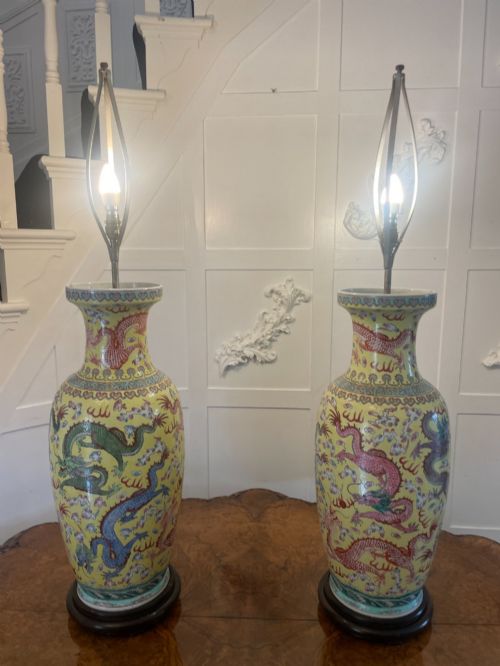
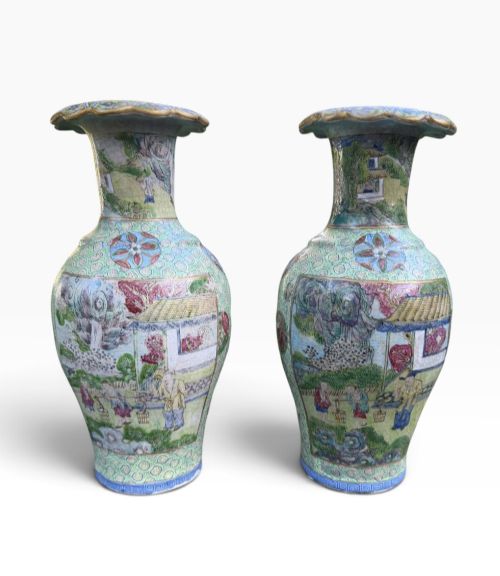
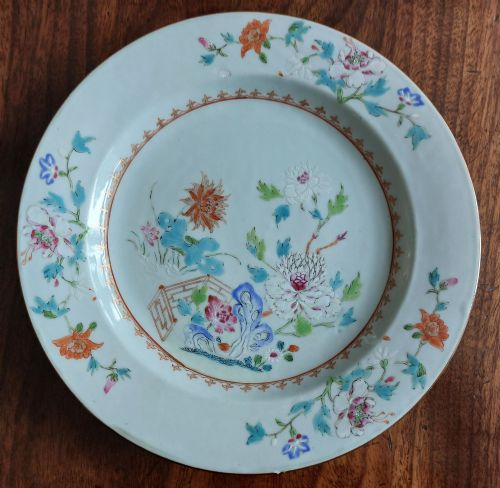
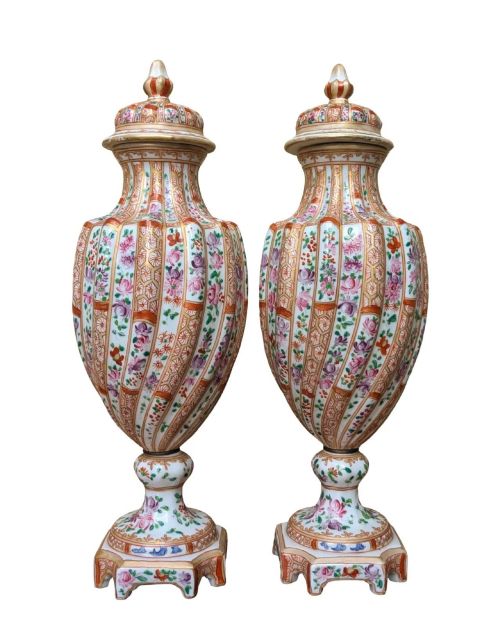
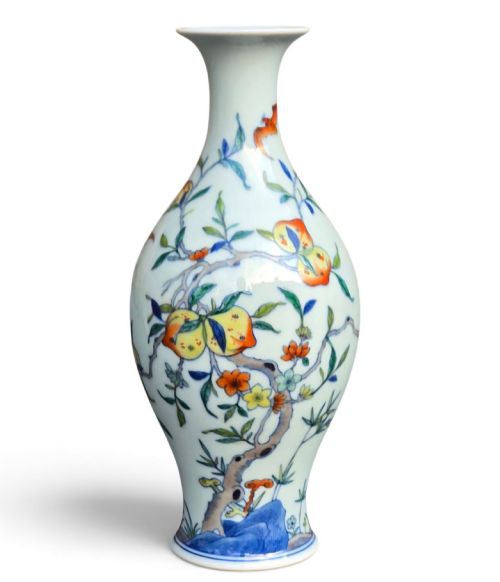
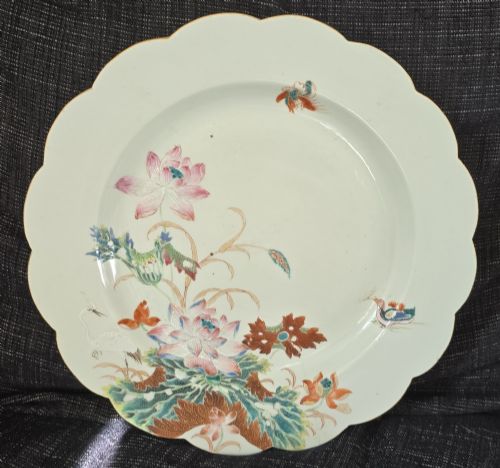
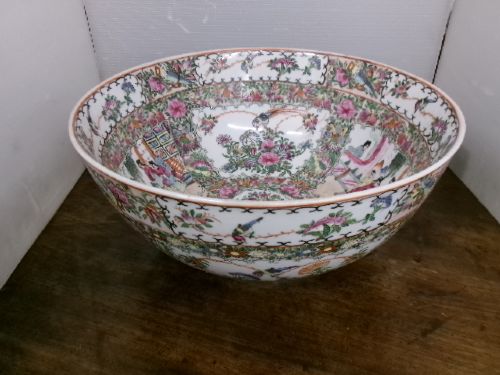
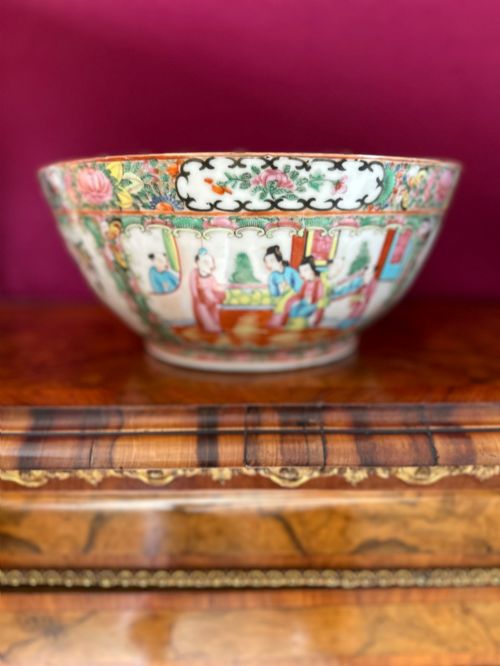
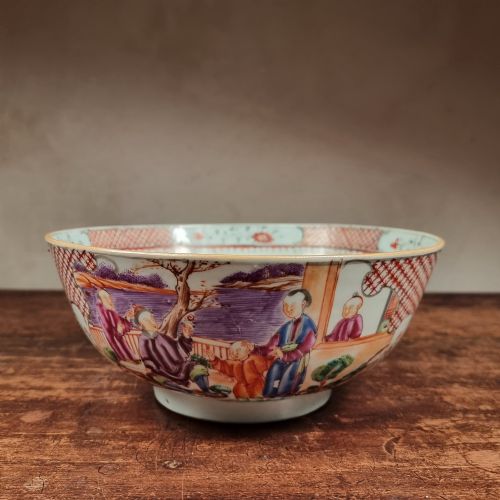
Chinese famille rose ceramics span useful tablewares, monumental floor vases, and delicate snuff bottles produced across the eighteenth, nineteenth, and twentieth centuries. The pieces on this page range from Qianlong period export plates to Canton bowls and Republican period moon flasks.
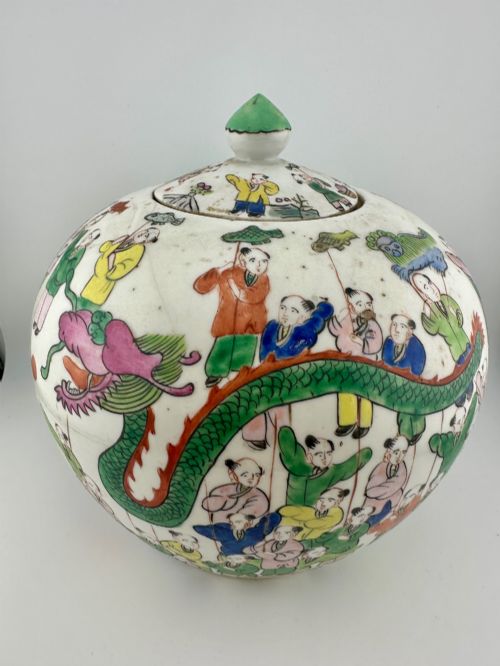
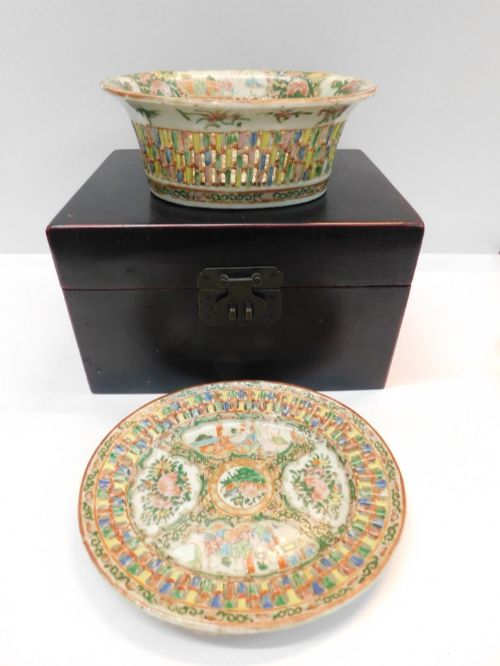
Buyers encounter forms such as reticulated chestnut baskets, hexagonal planters, punch bowls, and jars bearing characteristic opaque enamel painting over white porcelain grounds. Dating stretches from the Qing dynasty through the Victorian era into twentieth-century republican workshops.
Materials and Methods
Production relies on white porcelain bodies decorated with overglaze enamels, where the dominant pink colour derives from colloidal gold. Artisans applied these pigments alongside gold leaf, gilding, and iron-red details before secondary firing.
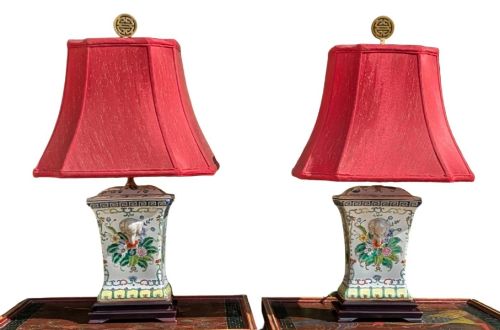
Mounts in brass or ormolu appear on specific European-adapted pieces, while handles and structural elements integrate porcelain forms like hexagonal trays and reticulated basketry.
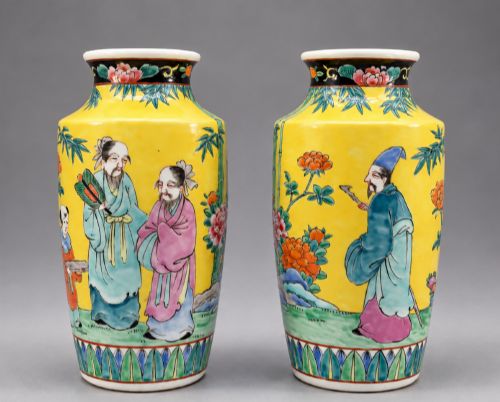
Several vessels depict laughing Buddhas and immortal figures sharing tea in eternal porcelain serenity.
Evaluating the Pieces
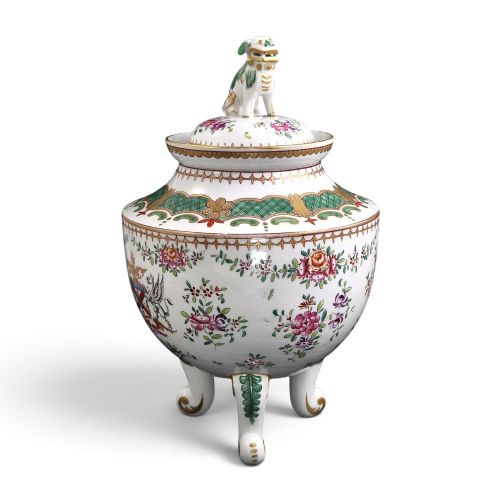
Quality rests upon the precision of the hand-painted brushwork, particularly in complex figural scenes, bird studies, and millefleurs patterns. Finer examples display disciplined control over the pink enamel palette and crisp definition in moulded details.
The weight and translucency of the porcelain body also distinguish standard domestic wares from eggshell bowls or imperial mark-and-period productions.
Samson Paris·Zhu Mao Ji
The Chinese Famille Rose Ceramics Glossary
- Famille Rose
- A palette of ceramic enamel colours introduced in the eighteenth century, distinguished by its opaque pink derived from gold. This family of pigments replaced the earlier green-dominant famille verte.
- Canton
- A major port in southern China associated with brightly decorated export porcelain intended for Western markets. Pieces from this hub frequently feature crowded panels of figures and floral motifs.
- Qianlong
- The sixth emperor of the Qing dynasty whose reign represented a peak in porcelain manufacturing sophistication. Objects from this era often command strong collector interest.
- Millefleurs
- A decorative surface design translated as a thousand flowers, covering the entire porcelain body without background space. This dense style demands exceptional patience from the painter.
- Reticulation
- An openwork technique where sections of the ceramic body are cut away before firing to create a basket-weave or lattice pattern. It appears on specialised vessels like chestnut baskets.
Chinese Famille Rose Ceramics: Frequently Asked Questions
What distinguishes famille rose from earlier Chinese porcelain?
Famille rose relies on an opaque pink enamel created using gold chloride, which allowed painters to achieve varied tonal gradients.
Earlier wares used translucent underglaze blue or the green-dominated famille verte palette without this specific pink hue.
How should I clean antique porcelain?
Wash pieces gently by hand in lukewarm water using a mild, non-abrasive detergent.
Avoid soaking items with metal mounts like brass or ormolu to protect the secondary materials from corrosion.
Are these pieces safe for daily dining use?
Historic overglaze enamels can wear down or react with acidic foods when utilised regularly.
Displaying bowls, plates, and vases on stands or tables preserves the fragile painted surfaces.
How do I identify a Qianlong period piece?
Authentication relies on examining the refinement of the paste, the subtlety of the enamel work, and official reign marks.
Export pieces from this eighteenth-century era also reflect specific trade patterns and European commission designs.