


Chinese Export Style
Chinese export style pieces merge eastern motifs with western forms, offering collectors a rich history of intercultural design.
Chinese Export Style
Chinese export style encompasses decorative objects and furniture created in Asia for western markets alongside European interpretations of oriental aesthetics. Buyers seeking this look encounter a variety of forms ranging from porcelain tableware to carved hardwood furniture.
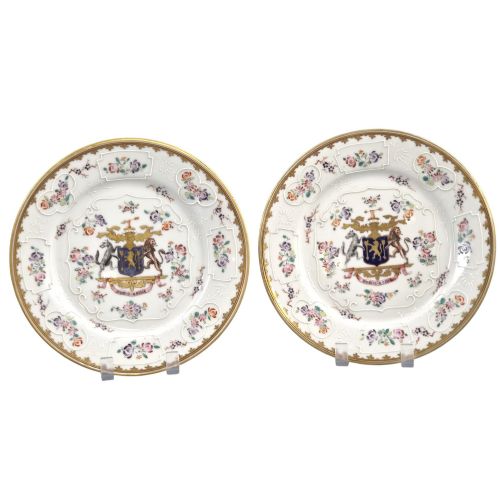
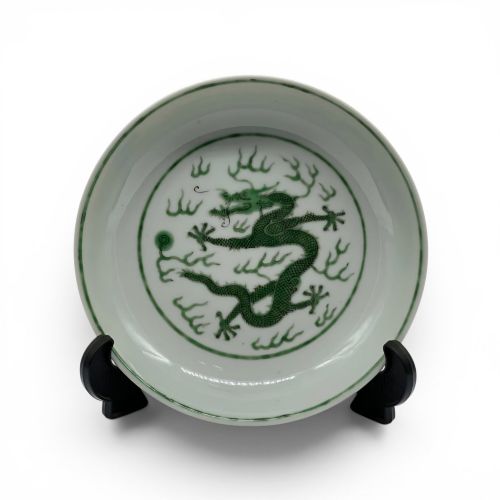
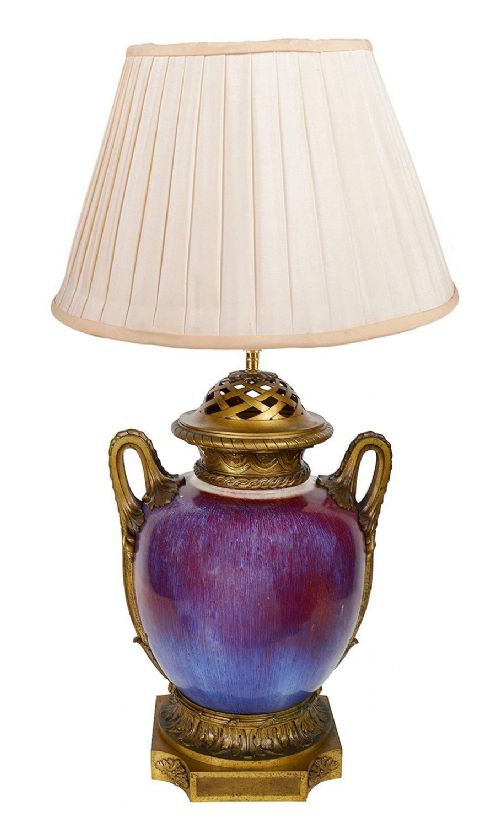
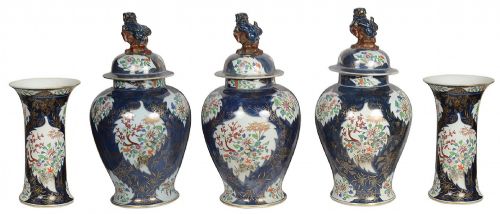
The selection includes items produced across the eighteenth and nineteenth centuries, alongside revival pieces from later decades. Table lamps, vases, and decorative plates dominate the offerings, often displaying traditional motifs adapted for western interiors.
Materials and Construction
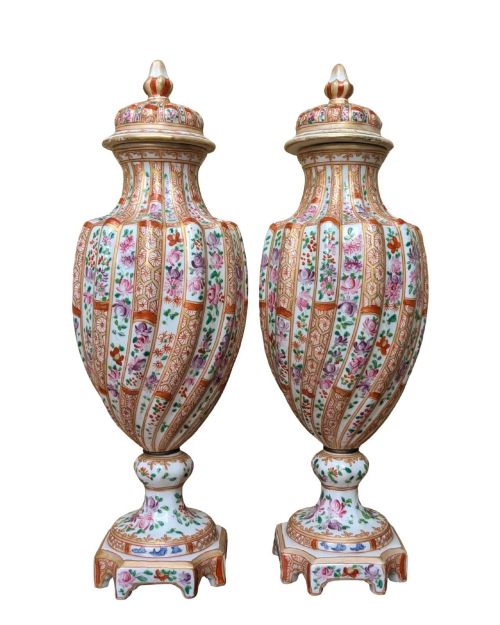
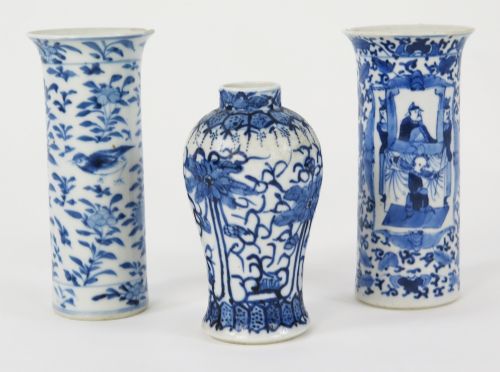
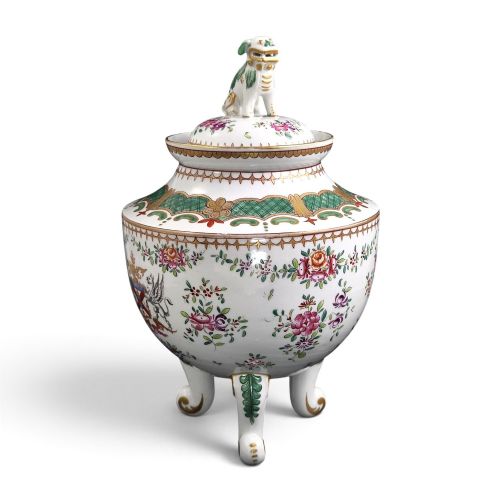
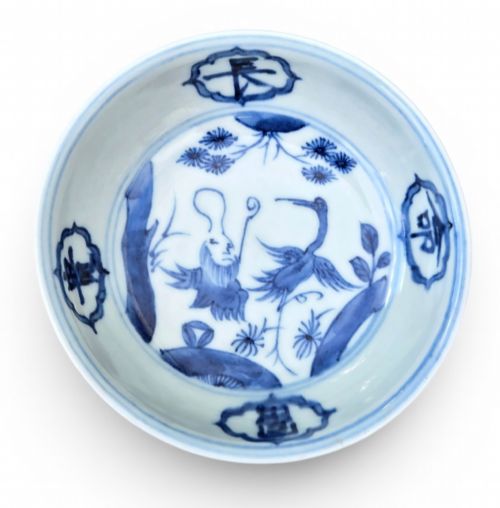
Porcelain and pottery form the backbone of these listings, decorated with underglaze blue, famille rose enamels, and gilt details. Artisans shaped these ceramic bodies into vases, bowls, and plates using established kilns and hand-painting techniques.
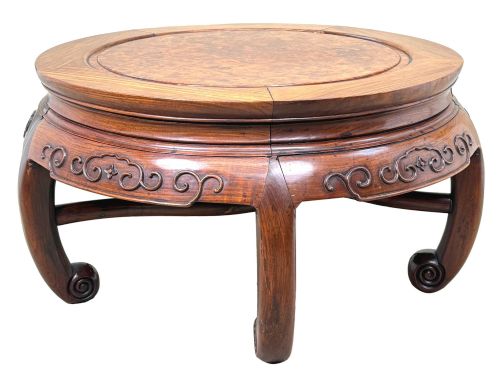
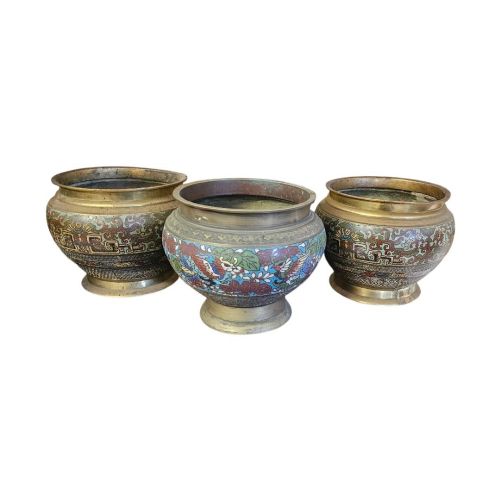
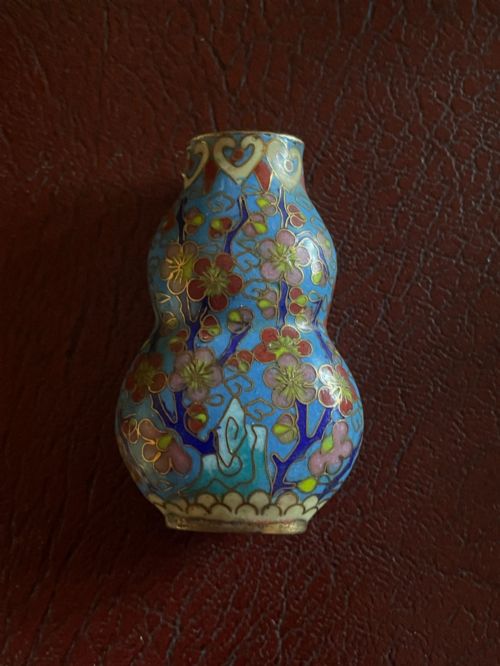
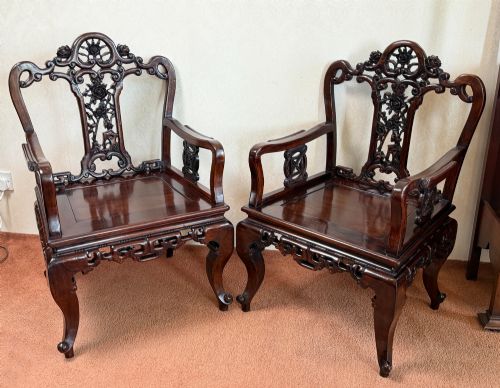
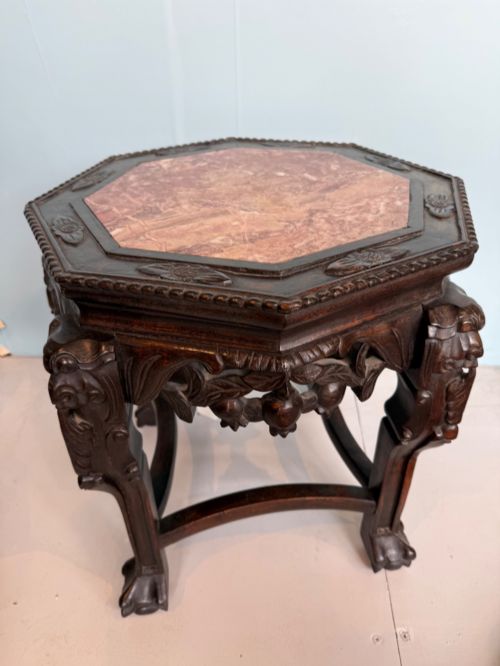
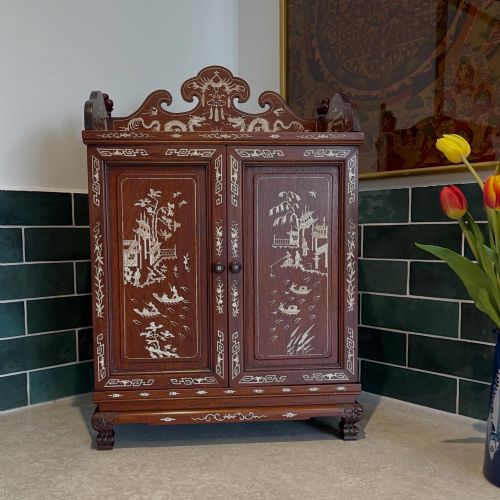
Hardwood and elm provide the structure for tables, chairs, and plant stands, frequently ornamented with mother of pearl inlay or carved marble inserts. Bronze and enamel appear in heavier vessel forms such as jardinières and miniature vases.
Chinese Export Style Retail Price Guide 2026
Typical asking prices for chinese export style among the pieces listed under this phrase on Sellingantiques today, from the lower quarter to the upper quarter. They describe what is for sale here now, not the wider market.
Even parrots made of porcelain found a way to mimic exotic travel tales.
Assessing Quality
Quality rests in the crispness of the hand-painted brushwork on porcelain surfaces and the depth of carving in wooden furniture. Pieces displaying finer control over enamel colours and more balanced composition sit at the upper end of the scale.
The integrity of the material structure, whether a tightly joined hardwood frame or a well-fired ceramic body without distortion, dictates the distinction between everyday utility items and superior collector examples.
Edme Samson·C.J. Mason
The Chinese Export Style Glossary
- Famille Rose
- A palette of opaque enamels dominated by pink or rose colours, introduced during the Qing dynasty. This technique allowed artisans to achieve nuanced shading on porcelain.
- Chinoiserie
- The European interpretation and imitation of Chinese and East Asian artistic traditions, popular in decorative arts and architecture. It reflects western fascination with eastern motifs.
- Cloisonné
- An enamelwork technique where metal wire is soldered to a base to form compartments, which are then filled with paste and fired. This method creates intricate patterned vessels.
- Clobbered
- A term for older porcelain, usually blue and white, that received subsequent overglaze enamelling and gilding in Europe to enhance visual appeal. Merchants utilised this method to update older stock.
Chinese Export Style: Frequently Asked Questions
What defines Chinese export style?
These pieces represent items made in China specifically for western trade, or European pieces mimicking oriental designs.
They combine traditional eastern motifs with the functional requirements of western homes.
How do I care for antique porcelain?
Wash porcelain by hand in lukewarm water using mild soap, avoiding harsh scrubbing or dishwashers.
Keep pieces away from direct sunlight to preserve the vibrancy of hand-painted enamels.
Where were these items placed?
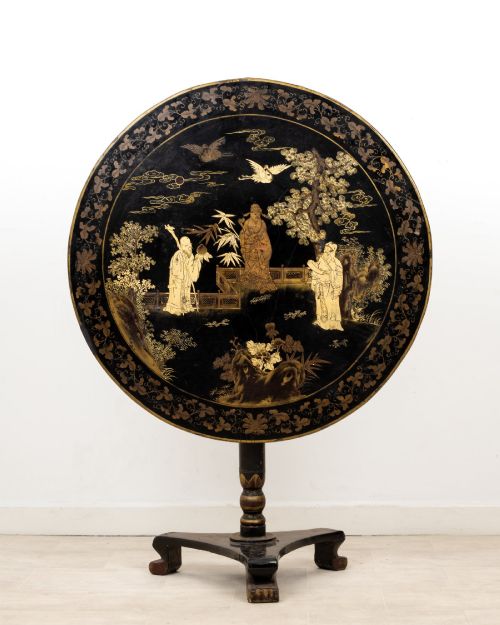
Export ceramics and lacquer items adorned formal reception rooms, dining tables, and display cabinets.
Furniture pieces like plant stands and occasional tables served functional roles in period interiors.
How are different periods identified?
Stylistic shifts in palette, such as the emergence of famille rose over earlier blue and white, help date pieces.
Construction methods and material wear offer further clues to an object's age.