


Chinese Export Cabinet
A Chinese export cabinet brings layered lacquer, carved hardwood, and intricate Chinoiserie ornament directly into the room.
What a Chinese export cabinet is
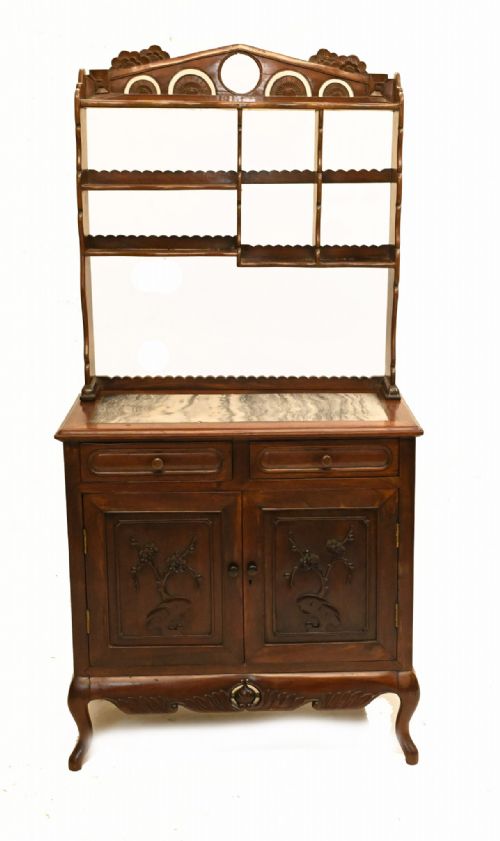
A Chinese export cabinet gathers varied forms intended for global markets, ranging from table cabinets and desk cabinets to large display cabinets and dressers on stands. These pieces merge traditional construction with decorative schemes tailored for Western interiors.
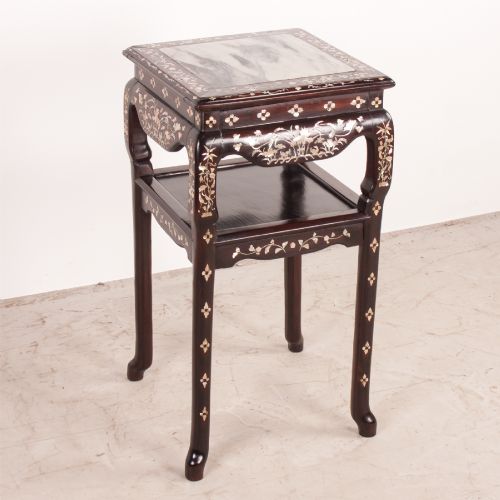
The material record spans nineteenth-century pieces alongside older examples, showing both table-top chests and substantial cabinets elevated on stands. Hardwoods like padauk, rosewood, amboyna, and ebony appear alongside lacquered finishes.
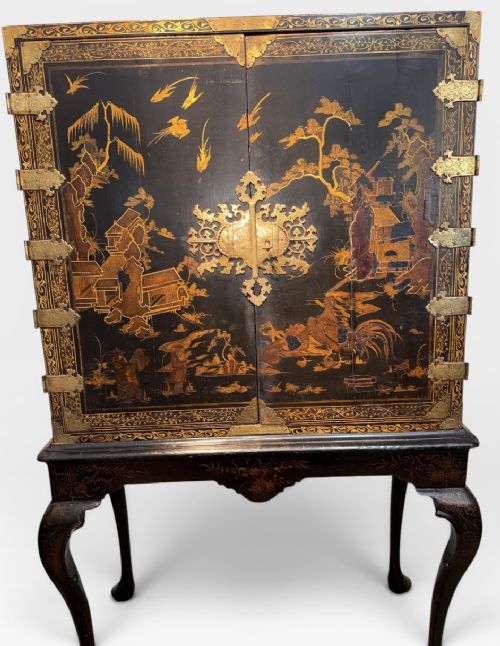
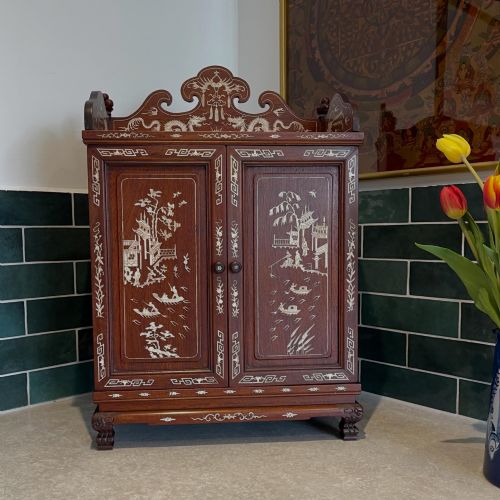
Chinoiserie and Qing Dynasty styles dominate the design vocabulary, incorporating gold leaf and mother of pearl into decorated surfaces. Cabinets on stands often pair Chinese case furniture with European stands, reflecting historical trade patterns.
Materials and construction
Carpenters utilised dense hardwoods, including rosewood, padauk, ebony, and amboyna, building sturdy frames designed to withstand long sea journeys. These timbers provide a heavy, durable foundation for intricate carving and smooth surface finishes.
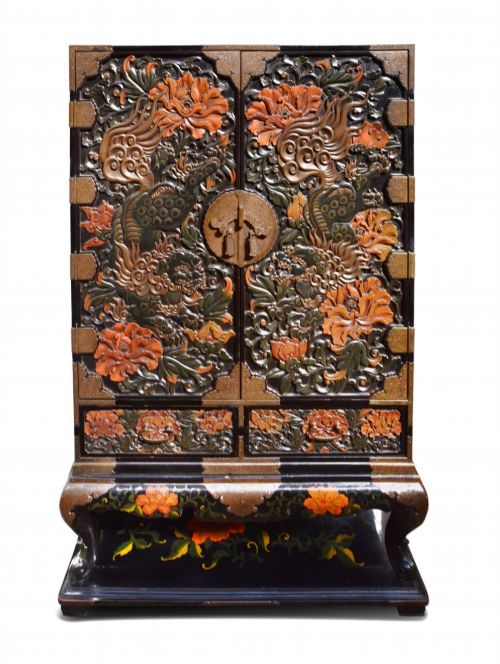
Lacquer techniques build deep, glossy surfaces enriched with gold leaf and inlaid mother of pearl to depict figurative scenes, landscapes, and floral motifs. Brass hardware provides functional hinges and locking plates that complement the dark wood and black lacquer.
Retail Price Guide 2026
Typical UK retail prices for chinese export cabinet, calculated from the Sellingantiques database of over a million retail prices indexed since 2003. This retail price guide relies exclusively on Sellingantiques data; no external sources or auction records are used, so the figures do not describe the wider market.
Recorded object types range from compact table cabinets to large display cabinets and dressers on stands.
Judging quality
Quality rests in the precision of the lacquerwork and the depth of the carving, where disciplined hand execution separates standard production from superior artistry. Finer examples display meticulous layering and delicate detailing in gold leaf and mother of pearl.
The choice of cabinet timber influences the standing of the piece, with dense exotic hardwoods and well-figured amboyna or ebony marking out the better workshop output. Integration between the cabinet and its stand, whether original or contemporary, affects the overall coherence of the design.
The Chinese Export Cabinet Glossary
- Chinoiserie
- European decorative style reflecting Chinese artistic influences. This aesthetic shapes the painted and lacquered surfaces seen on many export cabinets.
- Lacquer
- Natural resin applied in multiple layers to create a durable, polished surface. Artisans often decorate this coating with gold leaf and inlaid materials.
- Padauk
- Dense tropical hardwood valued for its reddish hue and strength. Cabinet makers utilised this timber for durable case furniture.
- Mother of Pearl
- Iridescent inner layer of mollusc shells used for inlay work. Craftsmen cut this material into thin sections to form decorative motifs on cabinet doors.
Frequently Asked Questions
Where did these cabinets originate?
These pieces were produced in China specifically for international export markets during the Qing Dynasty and subsequent periods. Workshops tailored the forms to satisfy Western demand for exotic furnishings.
Merchants and traders facilitated the transport of these items to Europe, where they often found homes in grand drawing rooms and studies.
How do I care for lacquer surfaces?
Lacquer requires gentle dusting with a soft, dry cloth to prevent scratching the delicate finish. Avoid using chemical polishes, water, or abrasive cleaners on the decorated panels.
Keep the cabinet away from direct sunlight and steady heat sources to protect the wood substrate and prevent the lacquer from cracking.
What is a cabinet on stand?
A cabinet on stand consists of a self-contained tabletop chest or cabinet resting upon a separate supporting frame. This elevated form improves visibility and access while adding architectural height to the furniture.
Some pieces pair a Chinese export cabinet body with a European stand created in a matching or complementary historical style.
How do I date a piece?
Dating relies on examining the timber construction, hardware fixings, and stylistic markers such as Qing Dynasty motifs or nineteenth-century Chinoiserie details. The specific combination of lacquer techniques and wood species also provides chronological clues.
Comparing the joinery methods with documented examples helps establish the likely period of manufacture.