




Chinese Enamel Dish
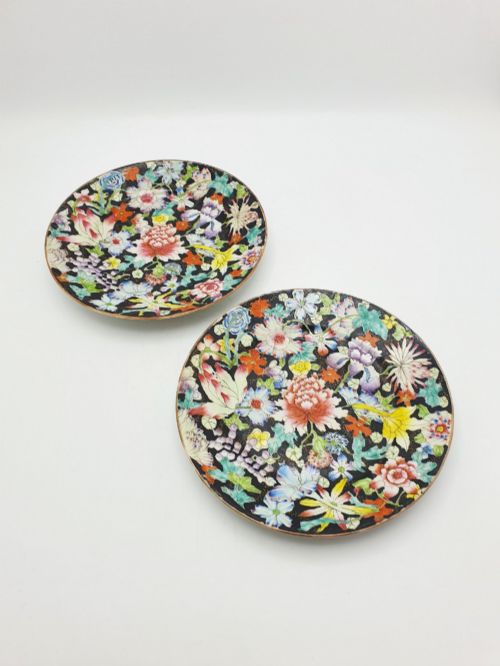
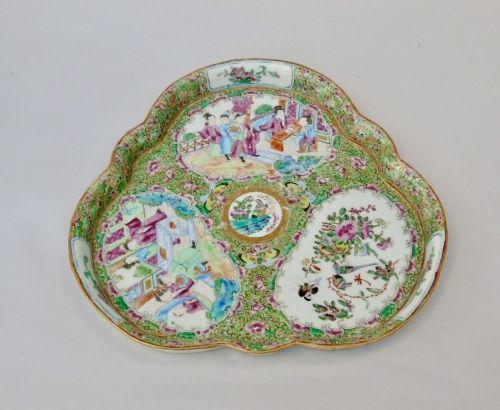
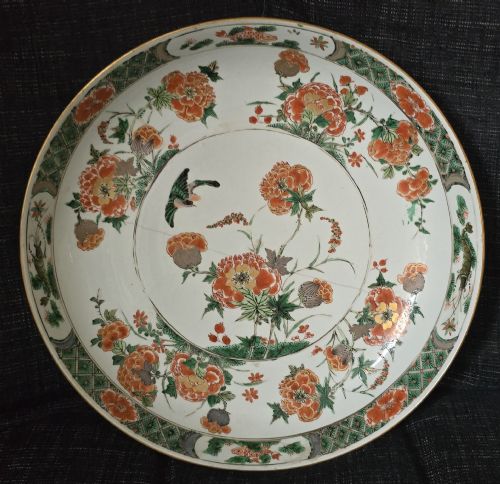
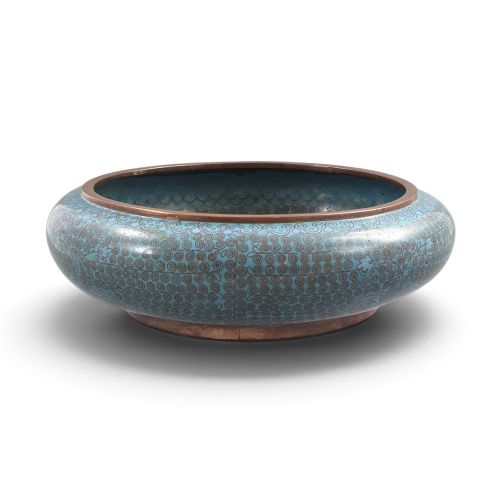
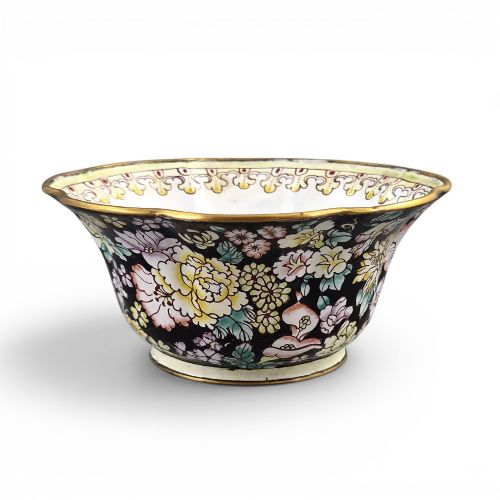
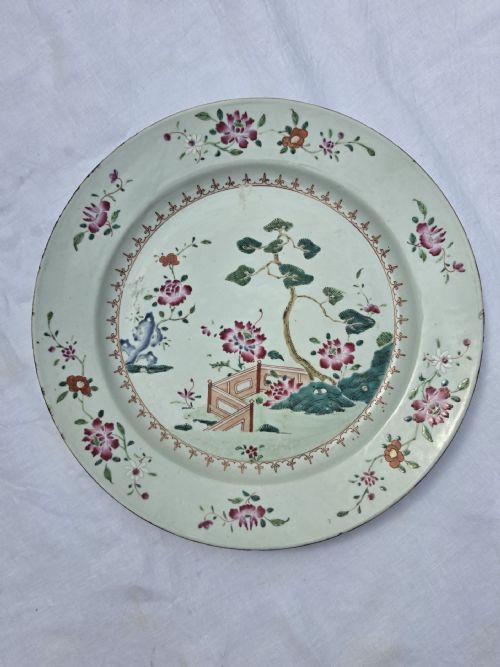
These pieces of chinese enamel dish range from delicate porcelain plates bearing overglaze decoration to substantial copper-cored cloisonné chargers made during the Qing dynasty and later periods.
Chinese Enamel Dish
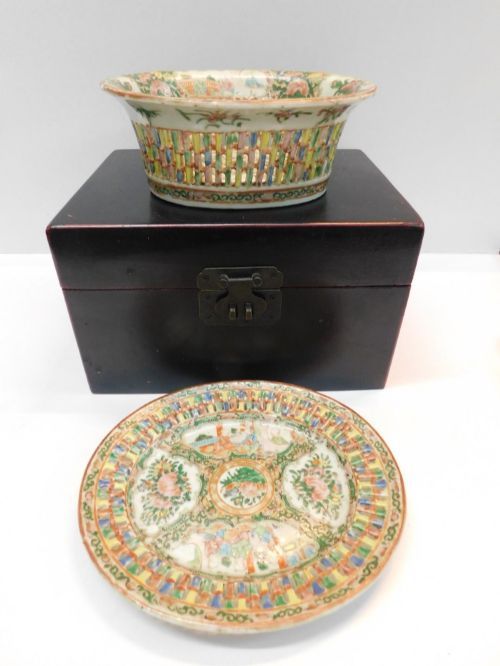
A chinese enamel dish combines utility and display, taking forms such as large scalloped servers, circular chargers, lobbed trays, and footed vessels. The listings span the seventeenth through to the early twentieth century, offering robust trade wares alongside imperial-marked production.
The aesthetic vocabulary encompasses vibrant famille rose palettes, restrained doucai designs, and intricate cloisonné wirework. Most examples meet the eye as either hard-paste porcelain painted with coloured enamels or metalwork fused with glass pastes.
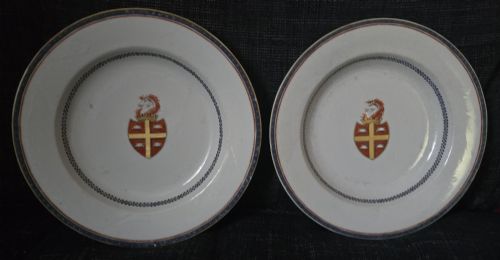
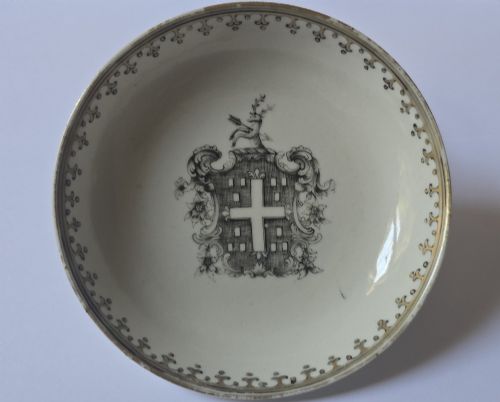
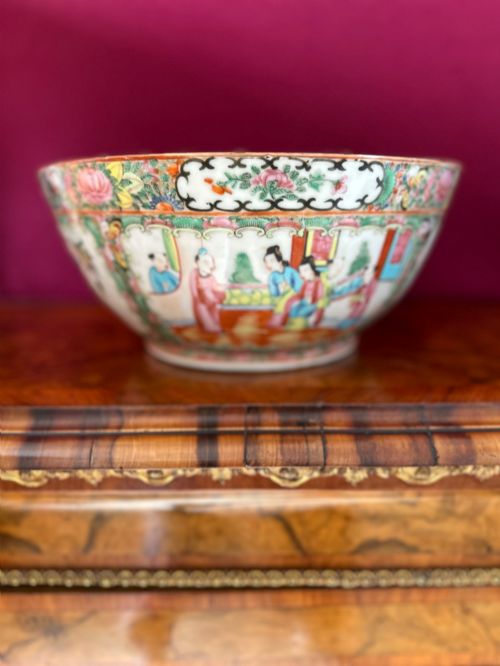
Canton wares and export pieces dominate the selection, reflecting international trade routes as well as domestic palace workshops. Buyers encounter everything from simple saucer forms to elaborate pedestal dishes and armorial services.
How they were made
Makers utilised hard-paste porcelain and copper as the primary physical bases for these works, applying mineral-rich pigments over a glazed or metallic surface. Gilding and gold leaf often accent the borders and motifs.
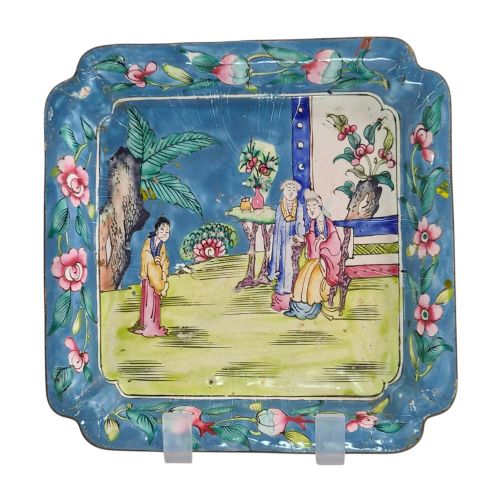
Cloisonné pieces required soldered wire partitions on a copper body to hold coloured glass pastes before firing and polishing. Overglaze enamelling involved painting the hardened clay body and subjecting the piece to subsequent lower-temperature kilns to bond the pigments.
Chinese Enamel Dish Retail Price Guide 2026
Typical asking prices for chinese enamel dish among the pieces listed under this phrase on Sellingantiques today, from the lower quarter to the upper quarter. They describe what is for sale here now, not the wider market.
Listings feature items spanning the 17th Century to the 1930s, incorporating porcelain, copper, and gold leaf materials.
What varies in quality
Execution of the painted detail separates ordinary production from superior works, particularly in the precision of brushwork on floral scenes and figurative panels. Richness of enamel saturation and stability of the underlying glaze also define the tier of a piece.
Crispness in metalwork partitions and uniformity in the polished enamel surface mark the better cloisonné examples. Maker marks and imperial reign periods indicate workshop standard and adherence to strict court protocols.
The Chinese Enamel Dish Glossary
- Famille Rose
- A palette of opaque pink and associated pastel enamels introduced during the Qing dynasty. This colouring technique allowed for subtle tonal gradations in floral and figural subjects.
- Cloisonné
- A metalworking technique where flat wires form raised barriers on a vessel body to create compartments for enamel paste. These cells are then fired and ground smooth.
- Doucai
- A decorative method combining underglaze blue outlines with overglaze polychrome enamels filled inside the boundaries. The technique requires multiple kiln firings.
- Canton
- A major trading hub associated with colourful export porcelain and enamel production aimed at Western markets. Canton wares frequently utilise dense floral borders surrounding narrative scenes.
- Hard-paste porcelain
- A dense, vitrified ceramic material composed of kaolin and petuntse fired at high temperatures. It forms the durable white base for much of the painted export ware.
Chinese Enamel Dish: Frequently Asked Questions
How do I date an enamel dish?
Dating relies on combining stylistic evidence, such as the evolution of the famille rose palette, with any reign marks found on the base. Comparing the potting weight and foot rim characteristics to established chronological markers helps narrow the production window.
Materials also provide clues, as earlier pieces often show different paste densities and metal alloys compared to late nineteenth-century export items. Examining the wear patterns and baseline finishing completes the assessment.
What is the difference between porcelain and metal enamel?
Porcelain enamel pieces utilise a fired ceramic base painted with overglaze mineral colours, whereas metal versions typically employ a hammered copper core fused with glass pastes. The former relies on ceramic glazing techniques, while the latter depends on metalwork joining.
Both categories achieve rich coloration, but their tactile qualities and structural weights differ entirely. Metal pieces often incorporate wire cells or painted copper grounds distinct from clay bodies.
How were these dishes originally used?
Many examples served utilitarian functions for dining, tea service, or scholarly pursuits, such as brush washers and presentation trays. Larger chargers and plaques were designed primarily for display on walls or furniture.
Export wares catered to Western households seeking exotic tableware, while imperial-marked items fulfilled court ritual and domestic functions. Their dual nature allowed them to be both practical vessels and status symbols.
Can I display these dishes on a wall?
Wall display is suitable for chargers and plates provided appropriate, secure fixings support the weight without stressing the rim or base. Metal cloisonné plaques often incorporate built-in hanging loops or sturdy flat rims designed for this purpose.
Porcelain dishes require specialised spring hangers with protective tips to prevent chipping the glaze. Positioning them away from direct sunlight preserves the vibrancy of the overglaze enamels.