





Chinese Decorative Charger Plate
A Chinese decorative charger plate brings bold scale and intricate hand-painted detail to a room, offering centuries of ceramic artistry for your walls or surfaces.
Chinese Decorative Charger Plate
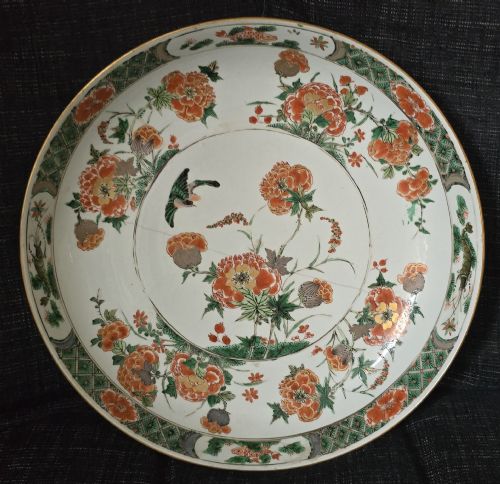
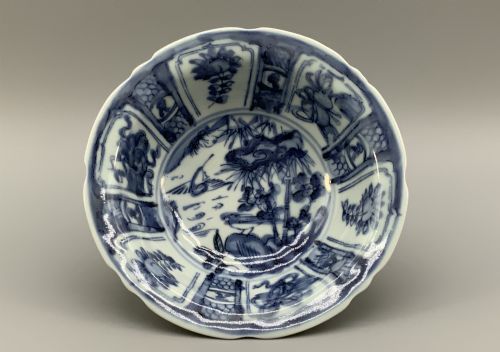
A Chinese decorative charger plate stands out for its generous diameter, designed historically for display rather than ordinary dining. When you search for a Chinese decorative charger plate, you encounter substantial ceramics and porcelain pieces that span the Qing Dynasty, the Kangxi period, and later Victorian revivals. These large plates and chargers often feature cobalt underglaze blue, enamel highlights, and elaborate botanical or imperial motifs.
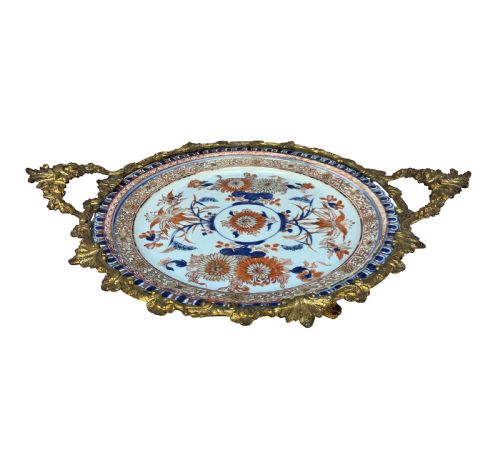
The selection ranges from early eighteenth-century porcelain and export wares to nineteenth-century imari patterns and ormolu-mounted interpretations. Many examples display barbed rims, moulded floral borders, or rich gilding that reflects both traditional Chinese craftsmanship and European taste. You will find items originating from distinct periods such as the Georgian and Victorian eras, alongside direct Chinese export pieces.
Materials and Techniques
Potters relied primarily on fine porcelain, ceramic, and earthenware bodies shaped into wide, stable plates and chargers. Cobalt underglaze provided the deep blue pigments painted directly onto the clay before glazing and high-temperature firing, ensuring lasting brilliance.
Enamel colours and gold leaf were frequently added in subsequent decorative stages to create layered polychrome designs. Artisans also utilised metal mounts in brass, bronze, or ormolu to frame and elevate select porcelain plates for prominent display.
Chinese Decorative Charger Plate Retail Price Guide 2026
Typical asking prices for chinese decorative charger plate among the pieces listed under this phrase on Sellingantiques today, from the lower quarter to the upper quarter. They describe what is for sale here now, not the wider market.
The selection includes pieces from the Kangxi period, Qing Dynasty, Georgian era, and Victorian period.
Assessing Quality and Execution
The distinction between average and exceptional pieces rests upon the precision of the hand-painted brushwork and the clarity of the glaze. Superior examples exhibit confident, fluid lines in cobalt underglaze and carefully controlled polychrome enamel work that remains crisp across the broad surface of the charger.
The refinement of the ceramic body and the sophistication of secondary elements, such as moulded floral rims or integrated ormolu mounts, further elevate a piece. Greater age and well-preserved gilt details distinguish the most accomplished works within this category.
The Chinese Decorative Charger Plate Glossary
- Charger plate
- A large decorative plate traditionally used beneath smaller dining courses or displayed upright on sideboards and walls. These oversized vessels provide a wide canvas for intricate painted scenes.
- Cobalt underglaze
- A blue pigment applied to raw ceramic bodies before glazing and firing, capable of withstanding intense kiln temperatures. This technique produces deep, permanent blue designs under a glossy protective layer.
- Chinese Export
- Ceramics manufactured in China specifically for Western markets, blending traditional Eastern forms and motifs with European aesthetic preferences. These pieces document centuries of international trade and cultural exchange.
- Imari
- A style of ceramic decoration featuring a distinctive palette of underglaze blue, iron red, and gold, originating in Japan and later imitated in China and Europe. The resulting pattern is dense, vibrant, and highly ornamental.
- Ormolu
- Gilded bronze mounts applied to furniture and porcelain, popular in European decorative arts to enhance luxury objects. These metallic frames secure and elevate ceramic plates for display.
Chinese Decorative Charger Plate: Frequently Asked Questions
How were charger plates used historically?
Large chargers served primarily as decorative centerpieces on dining tables or were stood upright on buffets and sideboards to display wealth and artistic taste. They were seldom used for direct food service due to their size and ornate decoration.
Over time, many of these pieces transitioned into purely decorative wall plaques or display items, supported by specialised stands or integrated metal mounts.
What is the difference between porcelain and earthenware?
Porcelain is fired at extremely high temperatures using refined kaolin clay, resulting in a dense, vitrified, and sometimes translucent white body that does not absorb moisture. Earthenware is fired at lower temperatures, producing a more porous and opaque ceramic body.
In these listings, porcelain predominates among early export and imperial wares, while earthenware and ceramic appear across various nineteenth-century and European revival pieces.
How do I identify a Kangxi period piece?
Kangxi period ceramics date from the late seventeenth to the early eighteenth century and are frequently recognised by their luminous cobalt underglaze blue and precise potting. Some pieces bear the six-character Kangxi mark on the reverse.
Experts also examine the quality of the glaze, the weight of the porcelain body, and the characteristic motifs of the era to confirm authenticity.