



Chinese Covered Vase
A Chinese covered vase brings centuries of ceramic mastery and intricate artistry into a room, offering both form and function for the discerning collector.
Chinese Covered Vase
When you search for a Chinese covered vase, you encounter a remarkable span of history, from early pottery forms up to twentieth-century decorative pieces. These vessels combine a distinct base container with a matching lid, often serving as prominent display objects in traditional interiors.
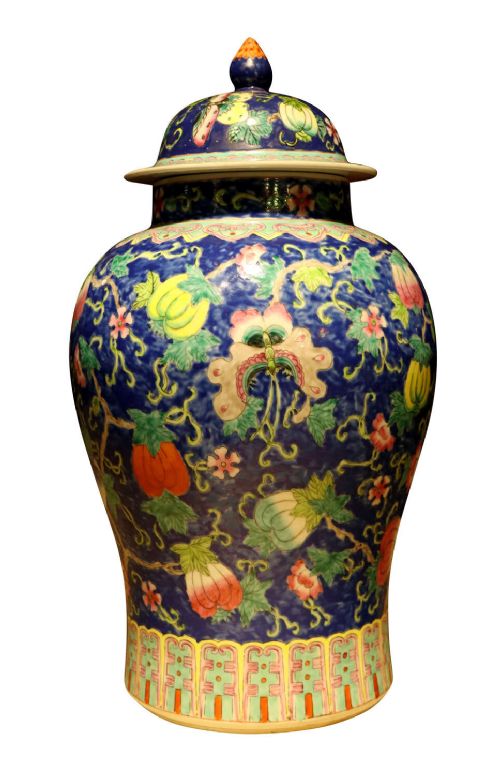
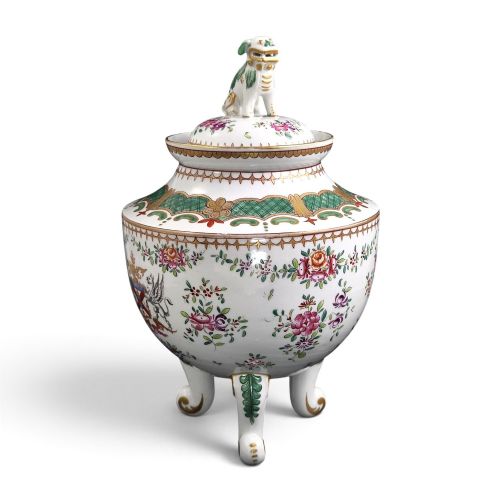
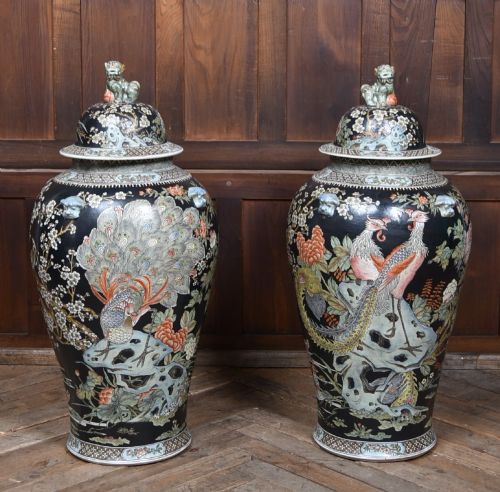
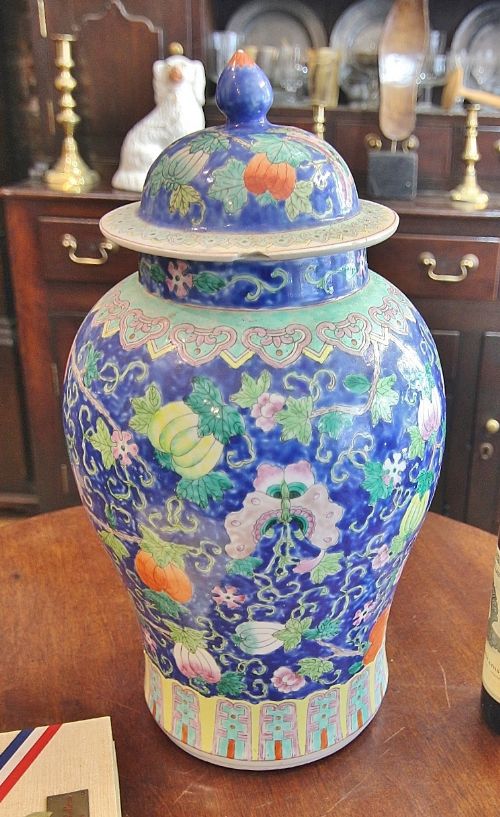
The selection here encompasses monumental baluster shapes, floor jars, and twin sets featuring blue and white decoration, famille rose pigments, and powder blue glazes. Such items bridge functional storage and pure ornamentation, reflecting distinct stylistic shifts across dynasties and later European interpretations.
Materials and construction methods
Porcelain and hard-paste porcelain form the backbone of these vessels, shaped on the wheel or moulded before receiving detailed cobalt blue painting or polychrome enamel glazes. Artisans fired these pieces at high temperatures to achieve durable vitrified bodies.
Alternative examples utilise brass, copper, and cloisonné work, where thin metal wires create cells filled with enamel paste before firing and polishing. Ormolu mounts and gold leaf frequently appear as later European additions or integral decorative framing.
Chinese Covered Vase Retail Price Guide 2026
Typical asking prices for chinese covered vase among the pieces listed under this phrase on Sellingantiques today, from the lower quarter to the upper quarter. They describe what is for sale here now, not the wider market.
Some powder blue vases travelled to Europe only to acquire gleaming brass hats.
Factors of distinction
Quality rests in the crispness of the painted detail, the depth and purity of the glaze, and the harmonious proportion between the body and its cover. Superior examples display confident brushwork and precise symmetry that reveal the hand of a skilled artisan.
The integrity of the surface decoration, whether delicate enamel or complex cloisonné wirework, dictates the visual impact of the piece. Minor variations in firing blemishes distinguish regional workshops and individual periods of production.
Samson Paris
The Chinese Covered Vase Glossary
- Baluster
- A tall vase form with a rounded body that tapers towards the base and flares slightly at the foot. This shape provides a balanced canvas for extensive narrative or floral scenes.
- Cloisonne
- A metalwork technique where flat wires are soldered to a base to form compartments filled with enamel paste. These pieces are then fired and polished to a smooth finish.
- Ormolu
- Gilded bronze mounts applied to the rim, base, or handles of ceramic vessels. This technique was frequently utilised by European makers to enhance Asian porcelains.
- Mandarin
- A style of Chinese export porcelain featuring detailed figurative panels framed by gilt and floral borders. It became particularly popular during the nineteenth century.
Chinese Covered Vase: Frequently Asked Questions
How do I date a covered vase?
Dating relies upon examining the characteristics of the glaze, the style of the painted motifs, and the composition of the ceramic body. Comparison with documented pieces from specific periods helps narrow down the origin.
Changes in palette and mounting techniques also provide clues to whether a vessel belongs to an earlier dynasty or a later revival period.
Were these vessels used for storage?
Many lidded jars and vases originally served practical functions such as holding tea, spices, or ginger in domestic settings. Over time, their decorative qualities led to them being manufactured primarily for display.
Their robust construction allowed them to survive centuries of handling, whether in Eastern palaces or Western drawing rooms.
What is the difference between porcelain and pottery?
Porcelain is fired at much higher temperatures using refined clays like kaolin, resulting in a dense, vitrified, and sometimes translucent material. Pottery generally refers to earthenware or stoneware objects that are more porous and opaque.
Both categories appear across the history of these lidded vessels, each offering distinct visual textures.
How should I display a large floor vase?
Large floor vases and monumental jars require stable placement on firm flooring away from high-traffic areas to ensure safety. Positioning them in corners or empty alcoves allows their height and surface detail to command the space.
Keeping lids securely paired with their respective bases preserves the intended silhouette of the composition.