



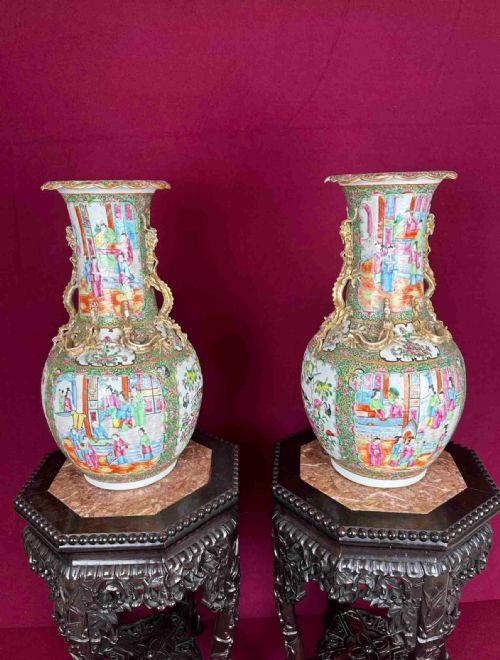

Chinese Court Scene Porcelain
Chinese court scene porcelain brings vibrant narrative paintings of imperial life straight into a room through rich hand-painted ceramics.
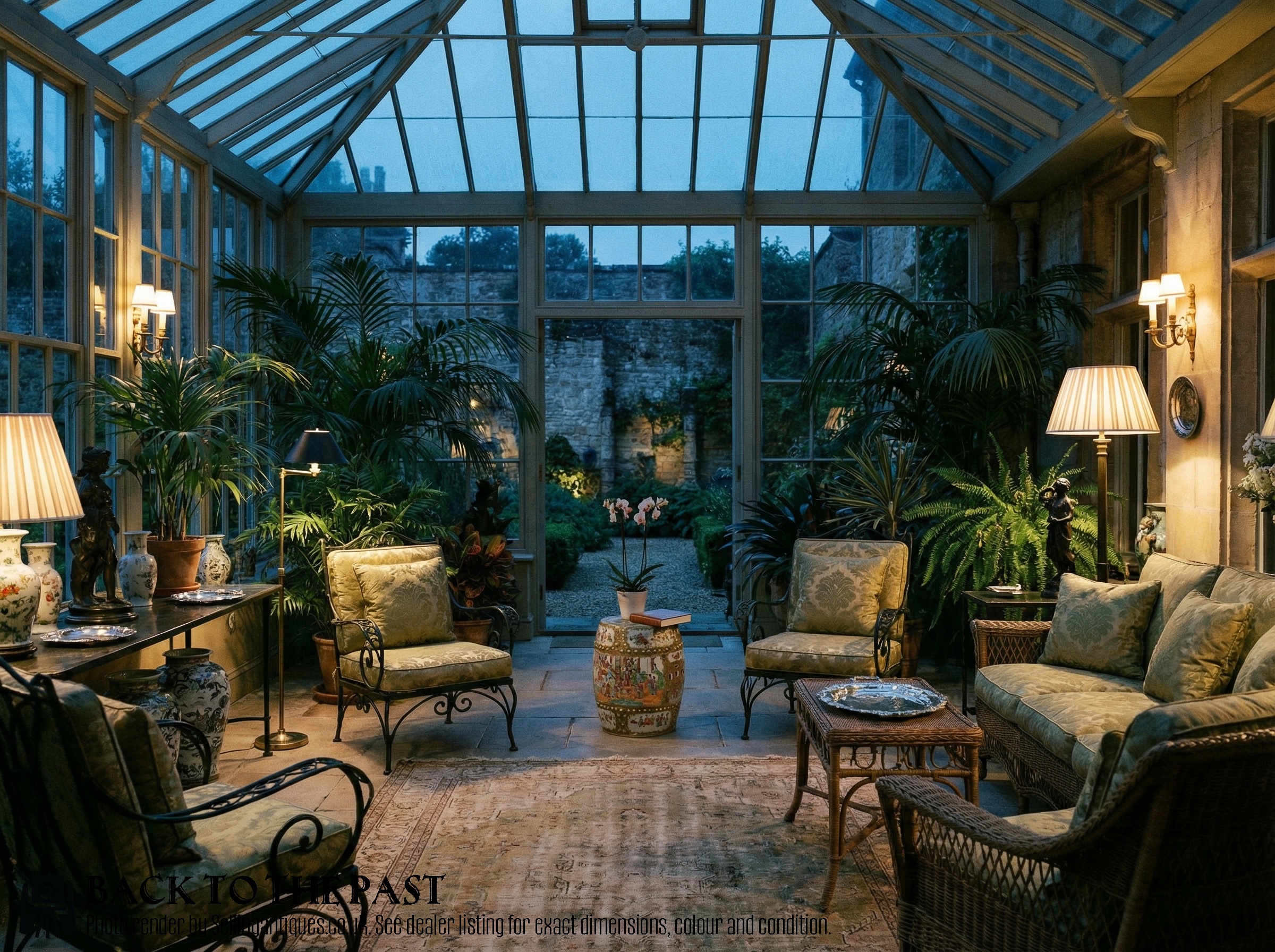
Chinese Court Scene Porcelain
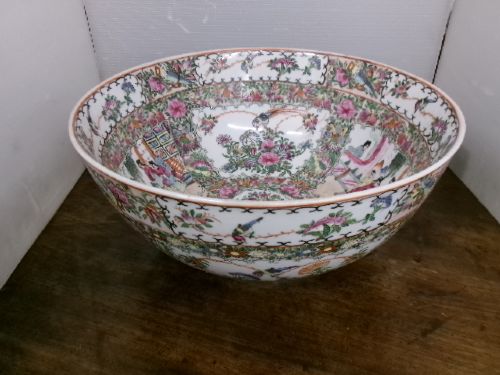
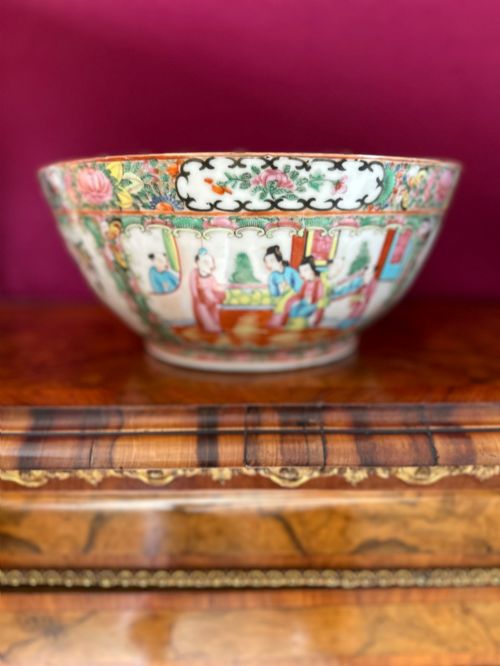
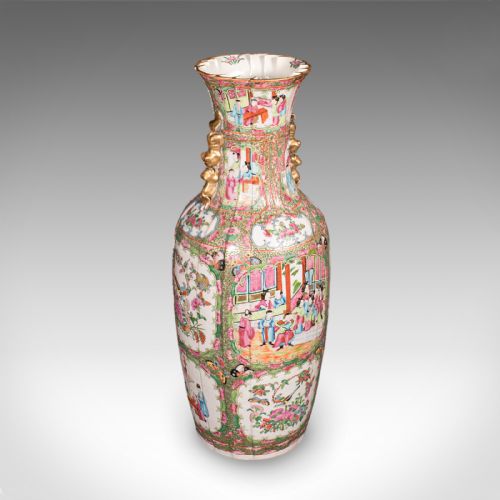
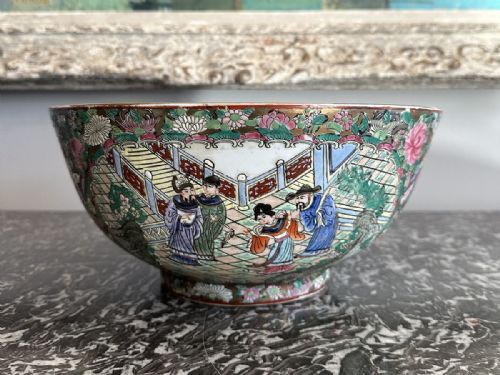
Chinese court scene porcelain comprises decorative vessels and tablewares featuring elaborate figure painting depicting imperial or domestic gatherings. The pieces on this page span from the eighteenth century to the mid twentieth century, with the nineteenth century heavily represented by nineteenth century, Victorian, and Qing dynasty examples.
Buyers encounter a variety of forms designed for display and utility, including large floor vases, garden seats, lidded boxes, chargers, and bowls. Canton and Rose Medallion productions dominate the selection, often carrying hand-painted figural panels set among floral and bird motifs.
The aesthetic bridges domestic export wares and traditional imperial commissions, showcasing court life narratives within intricate borders. These ceramics range from cabinet plates and centrepiece vases to monumental floor-standing pieces.
How they were made
Potters shaped hard-paste porcelain before applying underglaze blue or foundational pigments, followed by detailed overglaze enamel painting. Artisans used rich palettes of enamel colours to delineate the court figures, robes, and architectural interiors.
Gilding and gold leaf frequently highlight the rims, panel borders, and botanical elements, adding a reflective contrast to the matte and glossy enamel surfaces. Hand-painting defines every narrative scene, ensuring each vessel bears individual brushwork.
Court officials painted centuries ago still oversee modern rooms from inside nineteenth-century vases.
What varies in quality
Quality rests primarily on the crispness and complexity of the enamel painting, particularly the precision with which facial expressions and hand gestures are rendered in the court scenes. Superior pieces maintain vibrant, stable pigments and delicate linework across dense compositions.
The weight, throwing proportion, and symmetry of the underlying porcelain body also dictate standard, alongside the careful execution of subsidiary borders and gilding. Greater depth in the narrative detailing distinguishes exceptional centrepiece vases and chargers from standard export items.
The Chinese Court Scene Porcelain Glossary
- Famille Rose
- A major palette of opaque overglaze enamels introduced in the eighteenth century, dominated by pink and rose shades. This colouring technique allowed for subtle tonal gradations in figurative robes and floral motifs.
- Famille Verte
- An enamel palette characterised by shades of green combined with contrasting iron red, yellow, and blue. It is frequently associated with earlier Qing dynasty porcelain and lively court scene compositions.
- Canton
- A major southern Chinese port hub where white porcelain blanks from Jingdezhen were decorated for export. Canton wares are renowned for dense panel compositions featuring figures, birds, and butterflies.
- Rose Medallion
- A distinct decorative style featuring alternating panels of court figures and birds or flowers arranged around a central medallion. Gilded accents commonly separate these segmented compartments.
- Hard-paste porcelain
- A dense, vitrified ceramic compound fired at high temperatures using kaolin and petuntse. This durable body forms the structural foundation for antique Chinese export vessels.
Chinese Court Scene Porcelain: Frequently Asked Questions
What is Chinese court scene porcelain?
Chinese court scene porcelain consists of hard-paste ceramic vessels and plates painted with narratives of imperial life, officials, and domestic court gatherings.
These pieces were largely produced for export or domestic display, utilising vibrant overglaze enamel palettes such as famille rose and famille verte.
How were these porcelain pieces used?
Many of these items served as decorative centrepieces, garden seats, lidded boxes, or large ceremonial display vessels within stately homes.
Plates and bowls also functioned as tablewares or cabinet displays, while monumental floor vases occupied grand reception rooms.
How do I date a Chinese porcelain vase?
Dating relies on stylistic markers, enamel characteristics, and potting techniques associated with periods such as the Qing dynasty, Kangxi era, or nineteenth-century Victorian imports.
Base marks, where present, provide further chronological context, though many export pieces carry decorative rather than reign marks.
How do I care for antique porcelain?
Antique porcelain requires gentle handling, avoiding abrasive cleaning agents that can wear away delicate overglaze enamels and gold leaf gilding.
Display vessels should be placed on stable, level surfaces away from direct, high-traffic edges to protect hand-painted bodies.