


Hand Painted Porcelain Container
These hand painted porcelain container pieces bring vibrant pigments and skilled brushwork directly to a tabletop, offering both decorative presence and small-scale storage.
Hand Painted Porcelain Container
A hand painted porcelain container spans a broad range of domestic and decorative vessels, from lidded boxes and ginger jars to pot pourri vases and tobacco jars. When you search for a hand painted porcelain container, you encounter forms originating from English factories, continental European makers, and Asian dynasties.
The selection frequently includes pieces from the Victorian and Edwardian eras alongside earlier Asian examples. Common functional items range from biscuit barrels and sugar boxes to small snuff bottles and powder boxes.
Vessels take various shapes, including octagonal covered boxes, large jardinieres, and traditional lidded jars. Each piece relies on ceramic bodies finished with hand applied pigments to create its characteristic visual appeal.
Materials and production methods
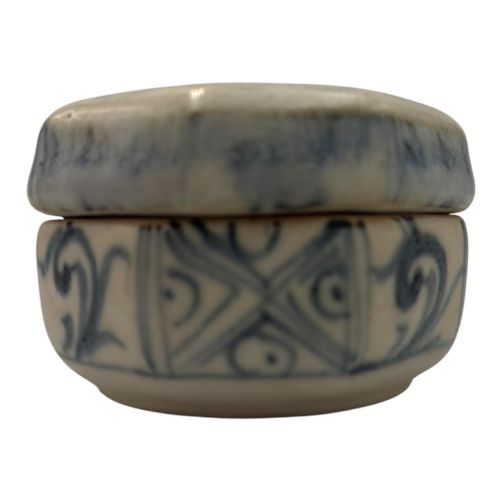
Makers shaped these objects using porcelain or ceramic bodies, frequently combining the fired clay with applied glaze. Decoration relies heavily on cobalt pigment, enamel work, and detailed hand painting across the surface.
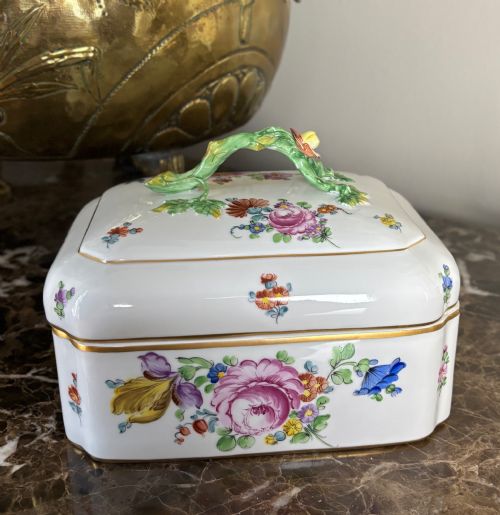
Many examples incorporate gilding or gold leaf highlights to accent rims, covers, and painted panels. Some functional containers also integrate silver plate hardware or metal mounts alongside the ceramic components.
Listings include porcelain pieces from the sixteenth century up through the mid twentieth century, encompassing Victorian, Edwardian, and Asian periods.
Assessing quality in painted ceramics
Quality rests upon the precision of the brushwork and the complexity of the painted composition. Finer examples display confident, detailed brush control rather than mechanical transfer printing.
The richness of the enamel colours and the careful application of gilding distinguish superior items. The weight and smoothness of the porcelain body further indicate the care taken during manufacture.
The Hand Painted Porcelain Container Glossary
- Porcelain
- A hard, fine-grained ceramic material fired at high temperatures until vitrified. It provides a smooth, white surface ideal for detailed hand painting.
- Gilding
- The application of gold leaf or gold paint to ceramic surfaces. This technique highlights rims, handles, and decorative borders.
- Enamel
- Opaque glass-like pigments fused to the porcelain body during firing. These colours provide vibrant, lasting decoration.
- Pot Pourri
- A vessel designed with a pierced cover to release the scent of dried flowers. These jars combine decorative painting with functional fragrance diffusion.
- Kamcheng
- A traditional lidded ceramic jar originating from Asian kilns. These containers often feature cobalt pigment work under a glaze.
Hand Painted Porcelain Container: Frequently Asked Questions
What were these containers used for originally?
These vessels served various domestic functions, from holding sugar, tobacco, and dry biscuits to storing cosmetics and loose pot pourri. Many smaller boxes also held personal trinkets or snuff.
Over time, their roles shifted depending on the shape, with lidded jars protecting dry goods and decorative boxes sitting on dressing tables.
How do I care for hand painted porcelain?
Clean these pieces gently using a soft, dry cloth to remove dust without disturbing the surface. Avoid harsh chemical cleaners or soaking.
Keep containers away from direct sunlight to protect enamel colours and delicate gilding from fading over the years.
How are different periods identified?
Makers often relied on specific painting styles, colour palettes, and kiln marks to indicate their origin. Victorian and Edwardian English pieces display characteristic floral motifs, while Asian items show traditional dynasty patterns.
Examining the glaze texture, base wear, and pigment application helps determine whether a piece belongs to the nineteenth century or an earlier period.
Are all these items painted by hand?
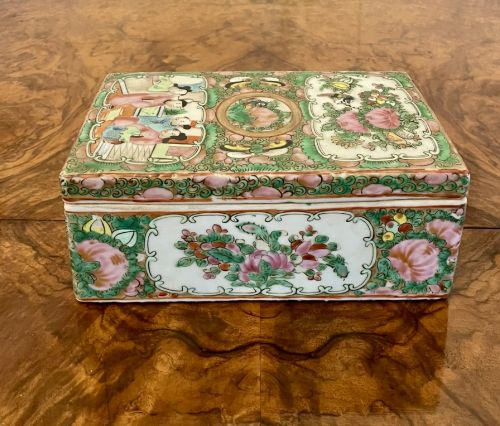
The pieces gathered under this heading feature hand applied brushwork across their ceramic surfaces. Artisans used fine brushes to render floral sprays, figures, and intricate borders.
Close inspection often reveals subtle variations in brushstrokes that distinguish hand painted decoration from printed alternatives.