



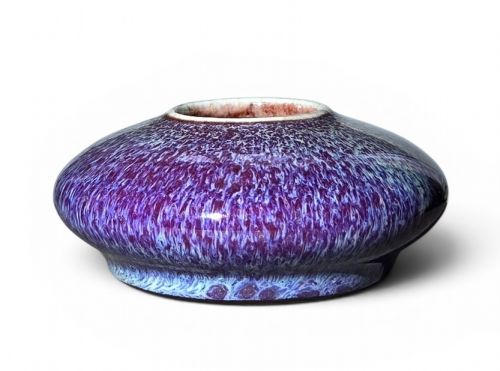
Chinese Ceramic Pot
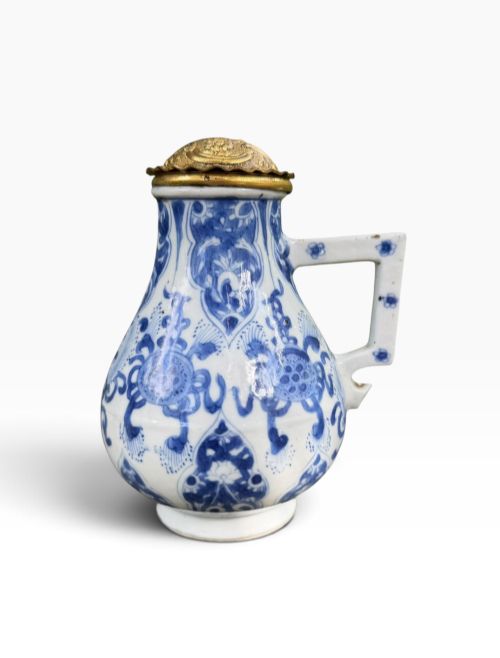
When you search for a Chinese ceramic pot, you encounter vessels ranging from scholar's brush pots to large jardinières spanning multiple dynasties.
Chinese Ceramic Pot
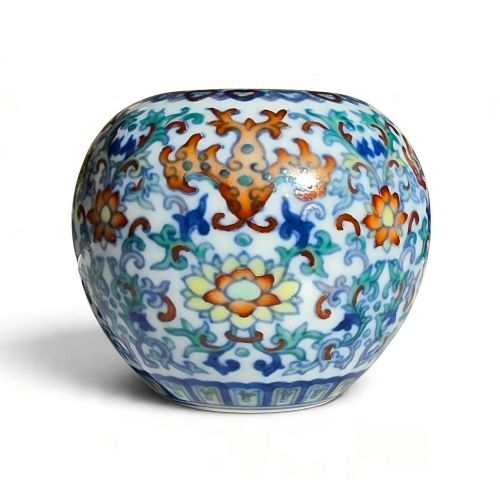
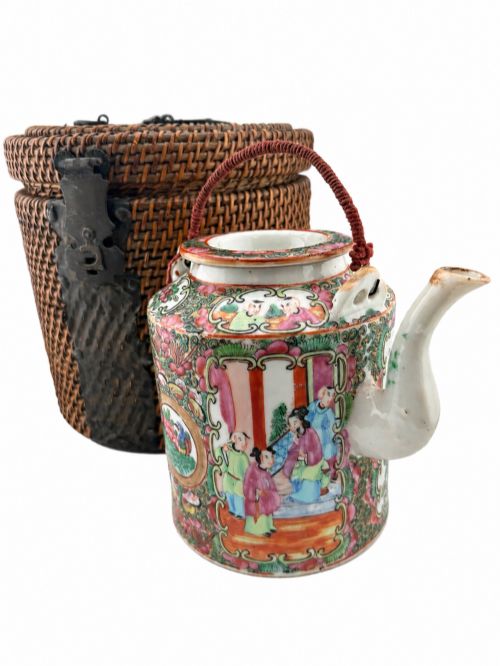
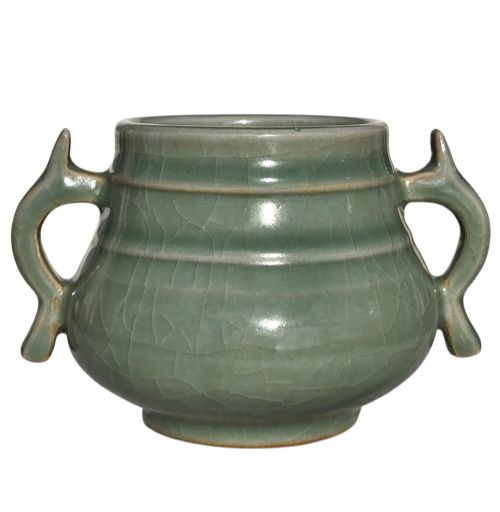
Buyers frequently encounter blue and white porcelain jars, famille rose planters, and small water vessels intended for scholarly desks. These forms reflect both domestic utility and imperial patronage, spanning centuries of ceramic tradition.
What varies in quality
Quality rests upon the precision of the potting, the clarity of the glaze, and the skill evident in the painted or carved decoration. Superior examples display balanced proportions, control in cobalt underglaze or enamel application, and well-executed reign marks.
The distinction between standard export wares and pieces produced for imperial use shows in the refinement of the ceramic body and the complexity of the narrative or floral scenes.
Chinese Ceramic Pot Retail Price Guide 2026
Typical asking prices for chinese ceramic pot among the pieces listed under this phrase on Sellingantiques today, from the lower quarter to the upper quarter. They describe what is for sale here now, not the wider market.
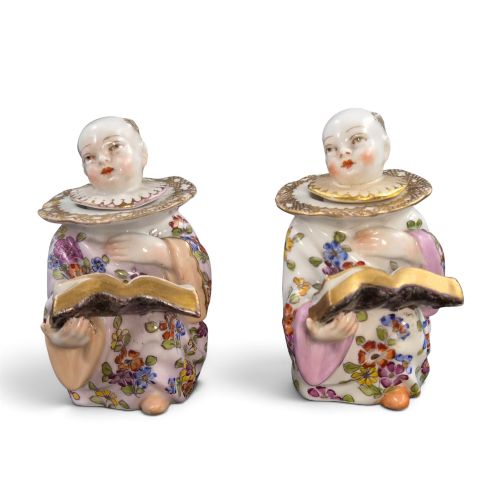
A singing boy figure occasionally transforms a humble inkwell into an unexpected musical companion.
Edmé Samson·Joseph Holdcroft
The Chinese Ceramic Pot Glossary
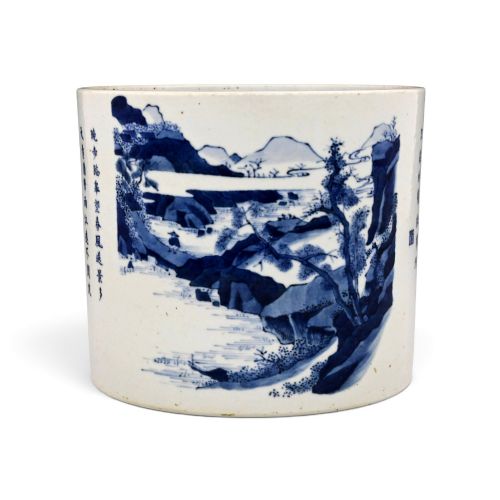
- Bitong
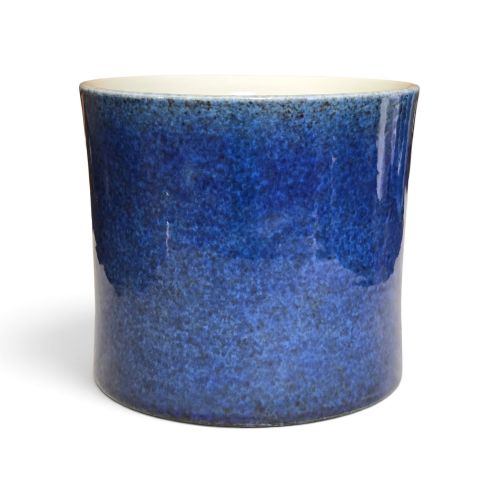
- A cylindrical brush pot used by scholars to hold writing brushes. These vessels often feature carved or painted scenes from literature and history.
- Famille Rose
- A palette of opaque enamel colours introduced in the Qing dynasty, dominated by pink and rose hues. This technique allowed for nuanced shading on floral and figural designs.
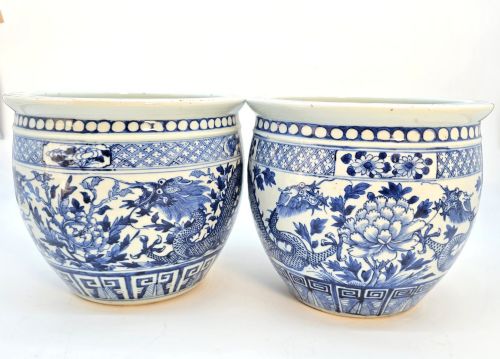
- Jardiniere
- A large ceramic pot or planter designed to hold growing plants or flowers. They appear in various glazes, including blue and white porcelain and canton enamels.
- Cobalt Underglaze
- Pigment applied to the ceramic body before glazing and firing, producing deep blue designs. This method ensures the decoration remains protected beneath a glassy surface.
Chinese Ceramic Pot: Frequently Asked Questions
How do I identify a ginger jar?
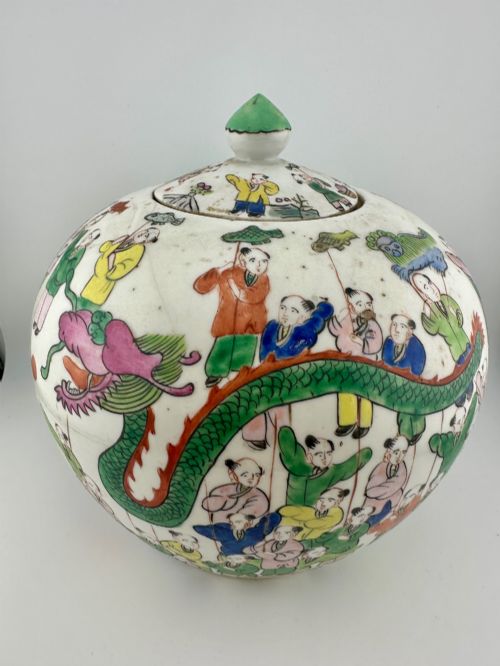
Ginger jars are broad-shouldered ceramic vessels originally utilised to store and transport spices and salt. They typically feature a matching domed cover and sturdy proportions.
Over time, these vessels transitioned into decorative household objects. They frequently display blue and white painted motifs or famille rose enamels across the porcelain body.
What distinguishes a jardiniere?
A jardiniere is a large ceramic pot or bowl intended to house potted plants and floral arrangements. They are constructed with thick walls to support soil and moisture.
These vessels appear in various finishes, including monochrome glazes, blue and white porcelain, and colourful enamel designs. Their robust construction made them suitable for both interior display and garden use.
How are different periods told apart?
Periods are distinguished by examining the ceramic body, glaze characteristics, and decorative styles associated with specific dynasties or reigns. Imperial mark styles and manufacturing techniques provide key chronological indicators.
For instance, Kangxi period pieces display distinct cobalt blue tones, while later Qing wares often utilise broader enamel palettes. Comparing these physical traits against historical examples clarifies the date of manufacture.