

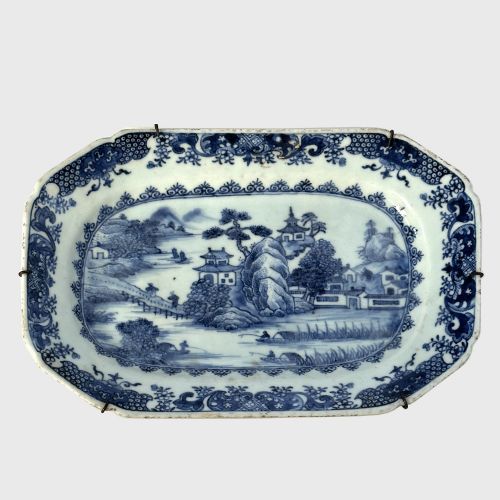


Chinese Ceramic Platter
These substantial chinese ceramic platter examples bring centuries of kiln mastery to the table, offering both decorative presence and historic utility.
Chinese Ceramic Platter
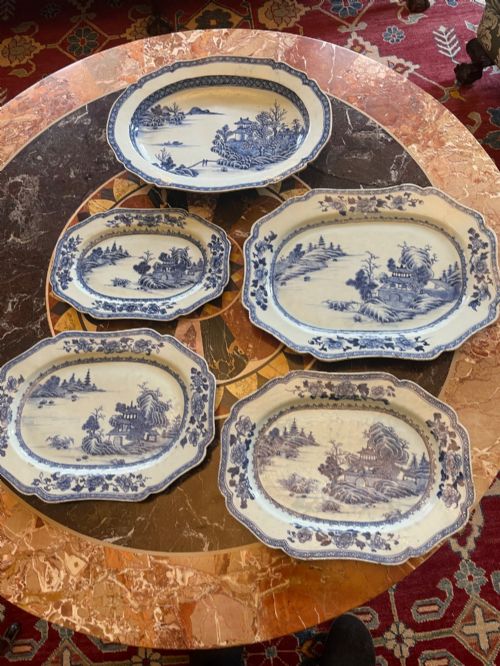
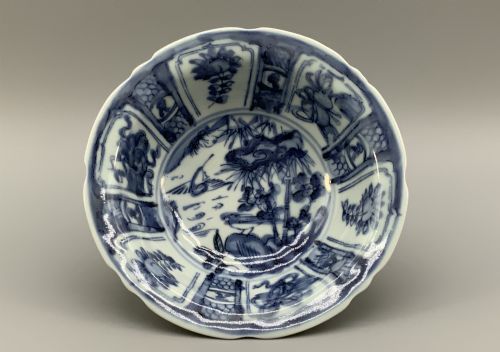
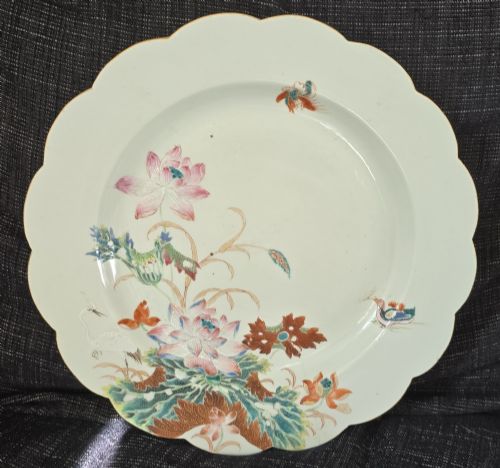
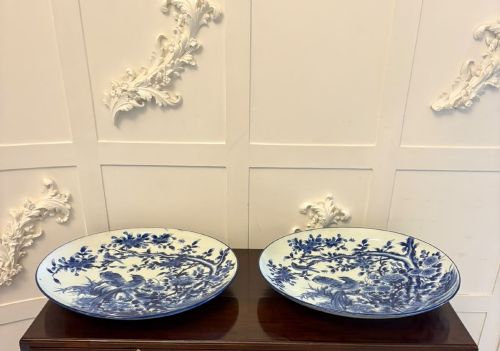
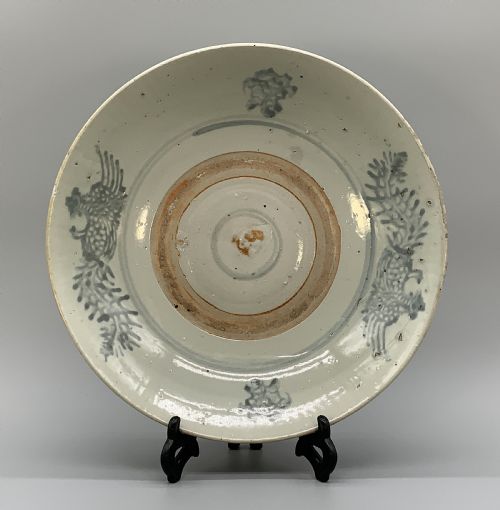
A chinese ceramic platter encompasses wide chargers, serving dishes, and meat platters spanning from the Ming dynasty through the Qing dynasty and into the nineteenth century. Buyers examine pieces shaped with lobed rims, scalloped edges, and barbed profiles designed for grand presentation.
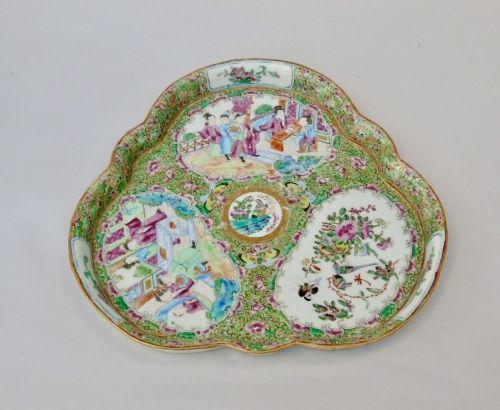
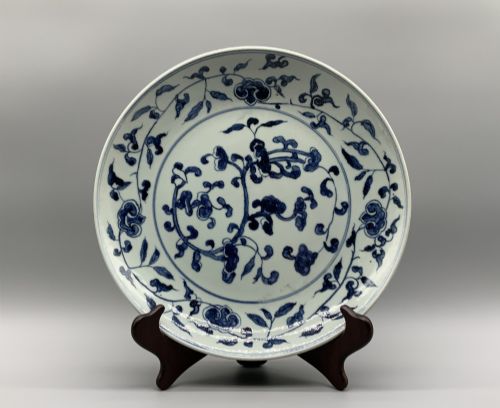
The selections available here range from sixteenth-century Kraak and Swatow wares to eighteenth-century export porcelain and nineteenth-century Canton varieties. Most encounters involve hard-paste porcelain carrying blue and white pigment or famille rose enamel work.
Materials and Pigments
Potters utilised hard-paste porcelain and earthenware bodies, shaping them into large plates and chargers before applying cobalt glaze, cobalt pigment, and colourful enamel. Kiln workers then fired these pieces at high temperatures to vitrify the ceramic matrix and fix the decoration beneath or above the glaze.
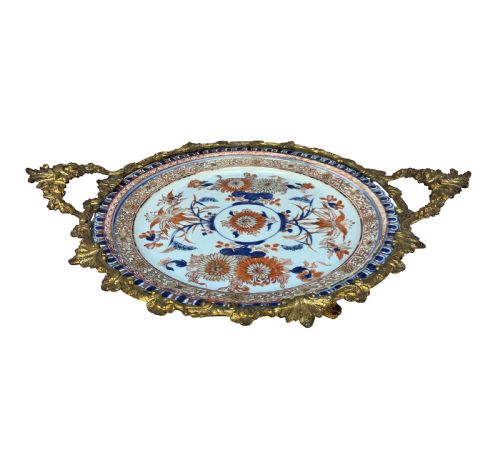
Selected items incorporate hand-painted details, moulded floral scrolls, or transfer printing techniques, occasionally complemented by ormolu mounts added in later European workshops.
Chinese Ceramic Platter Retail Price Guide 2026
Typical asking prices for chinese ceramic platter among the pieces listed under this phrase on Sellingantiques today, from the lower quarter to the upper quarter. They describe what is for sale here now, not the wider market.
Listings span from the 16th-century Ming dynasty through to Victorian-era interpretations, utilising cobalt glaze, enamel, and hard-paste porcelain.
Execution and Detail
Quality rests in the crispness of the cobalt blue brushwork, the precision of moulded floral scrolls, and the complexity of figural scenes such as court life or dragon motifs. Superior items display careful potting with balanced proportions and controlled glaze application.
The depth of the palette in famille rose and famille verte enamels separates standard domestic wares from pieces made for imperial or export markets. Patination and the presence of period six-character marks also guide assessment.
Minton·Elkington
The Chinese Ceramic Platter Glossary
- Kraak porcelain
- Sixteenth and seventeenth-century Chinese export porcelain characterised by panelled border designs and blue and white decoration. It was widely shipped to Europe by maritime trading companies.
- Famille rose
- An overarching ceramic category distinguished by an opaque pink enamel palette introduced during the Qing dynasty. This palette allowed for nuanced shading on floral and human subjects.
- Celadon
- A term for pottery featuring a pale green jade-like glaze produced by iron oxide in a reduction kiln. Longquan kilns specialised in this tactile finish.
- Swatow ware
- Late Ming dynasty coarse ceramic wares produced in southern Fujian for export, often painted with bold cobalt blue designs. These pieces typically exhibit gritty unglazed base patches from sand kiln supports.
- Imari
- A style of ceramic decoration featuring underglaze blue combined with iron red and gilt highlights, originating in Japan and later imitated in China and Europe.
Chinese Ceramic Platter: Frequently Asked Questions
How do I identify a Kangxi period piece?
Examine the cobalt blue pigment for deep tonal variation and look for fine hard-paste porcelain bodies with luminous glazes. Authentic examples frequently display characteristic six-character reign marks on the reverse.
Check for moulded floral motifs and barbed rims typical of late seventeenth-century kiln production, keeping in mind that private collector marks also appear.
What is the difference between export and domestic wares?
Export platters were manufactured specifically for Western markets, often incorporating European armorial designs, shapes like meat drainers, or adapted Victorian chinoiserie patterns. Domestic pieces adhered more strictly to traditional Chinese aesthetic standards and motifs.
Both categories utilise similar hard-paste porcelain and cobalt pigments, but the painted narratives and vessel forms reveal the intended destination of the vessel.
How were these large platters used historically?
Large chargers and serving dishes functioned primarily as central table pieces for communal dining, bearing roasted meats or large portions of food during formal banquets. Their substantial diameter accommodated heavy helpings while showcasing wealth.
Over subsequent centuries, many of these ceramic vessels transitioned to decorative display items, hung on walls or stood on sideboards in European dining rooms.
Can I use antique platters for serving food?
Most antique porcelain and earthenware platters survive in stable condition, but centuries of age mean surface glazes can bear minor kiln stilt marks, crazing, or manufacturing flaws. Hand washing in warm water preserves the remaining enamel and cobalt pigment.
Avoid thermal shock and aggressive modern detergents to maintain the structural and visual integrity of pieces dating back to the Ming and Qing dynasties.