

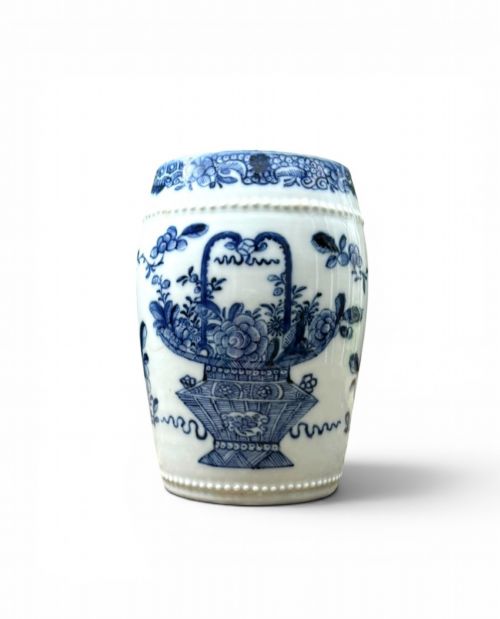


Chinese Ceramic Mugs
Chinese ceramic mugs are enduring drinking vessels created across centuries, offering collectors a tangible piece of historic trade and domestic daily life.
Chinese Ceramic Mugs
When buyers search for chinese ceramic mugs, they examine drinking vessels fashioned from porcelain and earthenware. These forms bridge utilitarian household items and objects of international trade.
The pieces present on this page originate principally in the eighteenth and nineteenth centuries. Examples range from barrel-shaped porcelain tankards to smaller coffee cups.
Makers produced these works in specific historical styles including Chinese Export, Qing Dynasty, and various iterations of Chinoiserie. Certain domestic factories also applied Chinese figures and Mandarin patterns to their own porcelains during the Georgian and Victorian periods.
How they were made
Potters shaped these items from porcelain, soft-paste porcelain, and earthenware, applying cobalt underglaze, enamel, and occasionally gold leaf for surface decoration. Artisans utilised high-temperature kilns to set the body and the underglaze cobalt before adding overglaze enamels.
Techniques varied between true Chinese export pieces produced in the East and English factories emulating Asian motifs in the eighteenth century. Workers painted intricate scenes by hand, incorporating famille rose and famille vert palettes onto the ceramic body.
Chinese Ceramic Mugs Retail Price Guide 2026
Typical asking prices for chinese ceramic mugs among the pieces listed under this phrase on Sellingantiques today, from the lower quarter to the upper quarter. They describe what is for sale here now, not the wider market.
The listings feature porcelain, soft-paste porcelain, earthenware, enamel, and gold leaf across the eighteenth and nineteenth centuries.
What varies in quality
Quality rests upon the crispness of the hand-painted detail and the stability of the ceramic body. Pieces displaying finely controlled cobalt underglaze or meticulously applied famille rose enamels occupy the higher end of the scale.
The complexity of the form and the preservation of delicate additions such as gold leaf separate standard domestic iterations from exceptional export items. Potter proficiency directly dictates whether figures and foliage retain distinct outlines or appear blurred against the glaze.
The Chinese Ceramic Mugs Glossary
- Famille rose
- A major palette of Chinese ceramic enamels introduced in the Qing dynasty, distinguished by its opaque pink or purple of gold. This colouring dominates many eighteenth-century export mugs.
- Chinoiserie
- The European interpretation and imitation of Chinese and East Asian artistic traditions, popular in decorative arts. This style appears on both imported wares and eighteenth-century English porcelain coffee cups.
- Soft-paste porcelain
- A ceramic material composed of white clay and glass frit, fired at lower temperatures than true hard-paste porcelain. English factories utilised this body extensively before discovering local deposits of china clay.
- Cobalt underglaze
- A blue pigment applied to the unfired ceramic body beneath a clear glaze, capable of withstanding extreme kiln temperatures. It forms the permanent blue designs seen on numerous early tankards.
- Chinese Export
- Goods manufactured in China specifically for Western markets, encompassing a vast range of tableware and mugs. These pieces blend Eastern manufacturing techniques with shapes demanded by European consumers.
Chinese Ceramic Mugs: Frequently Asked Questions
How were these mugs used?
Historically, these vessels served practical roles at the table for consuming liquids, including coffee, tea, or ale, depending on their size and capacity. Larger tankards held generous portions of beverages in domestic settings.
Over time, many of these durable ceramic items transitioned from functional kitchenware into decorative cabinet pieces collected for their artistic and historical significance.
How do I live with them?
Living with these historic ceramics involves displaying them securely in cabinets or on sturdy shelves away from heavy household traffic. Their glazed surfaces require only gentle cleaning with soft cloths and mild water.
Avoiding abrasive cleaners protects the delicate overglaze enamels and gold leaf highlights present on many eighteenth and nineteenth-century examples.
How do I tell periods apart?
Distinguishing between periods relies on examining the specific paste, glaze characteristics, and painting styles associated with the eighteenth and nineteenth centuries. Qing dynasty and Qianlong export pieces exhibit distinct enamel palettes and paste weights.
English interpretations from the First Period Worcester era display specific soft-paste bodies and characteristic Mandarin patterns that differentiate them from contemporaneous wares made in China.