


Chinese Ceramic Figures
These chinese ceramic figures capture centuries of skilled hand modelling, bringing distinct historical presence and character to a room.
Chinese Ceramic Figures
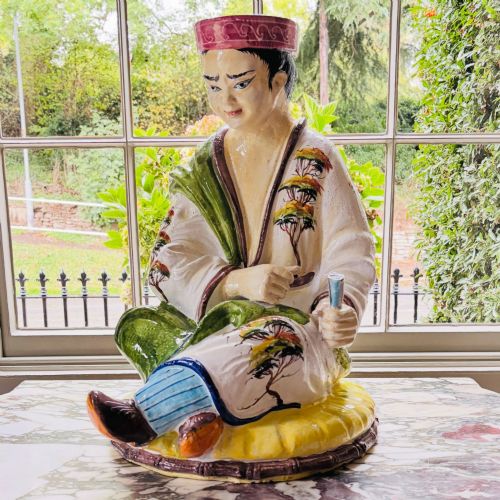
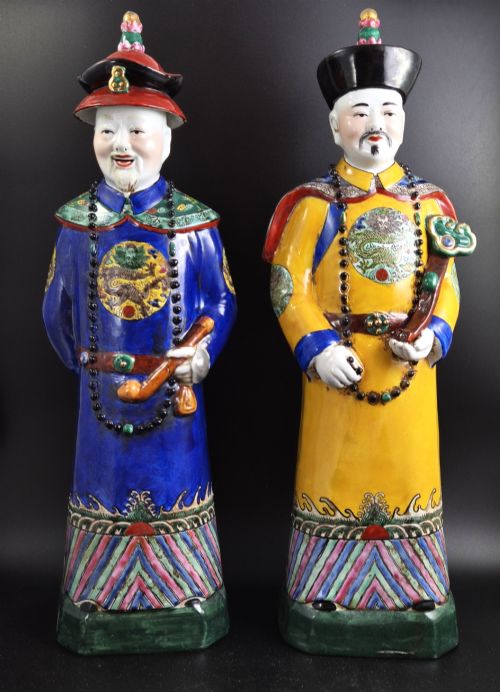
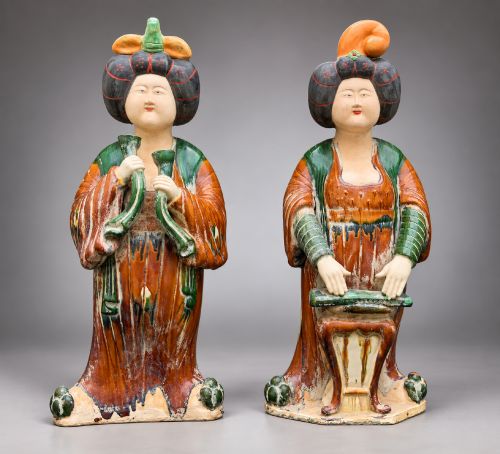
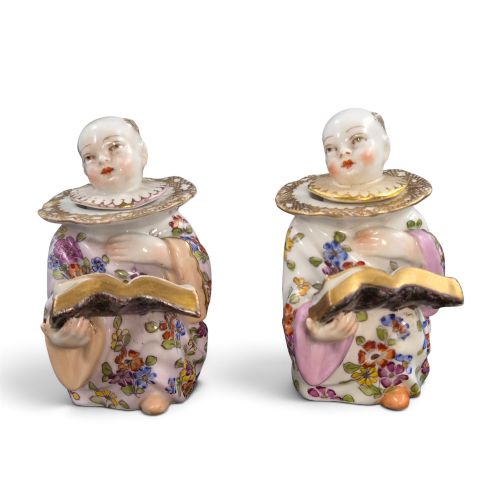
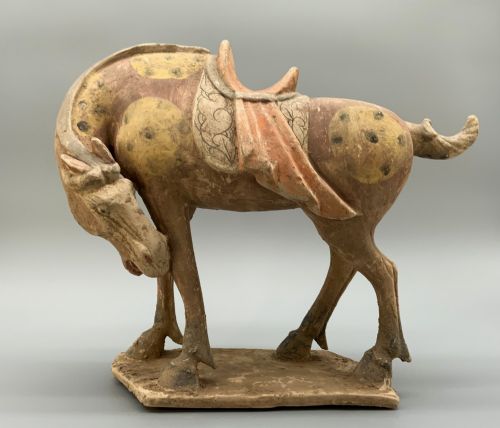
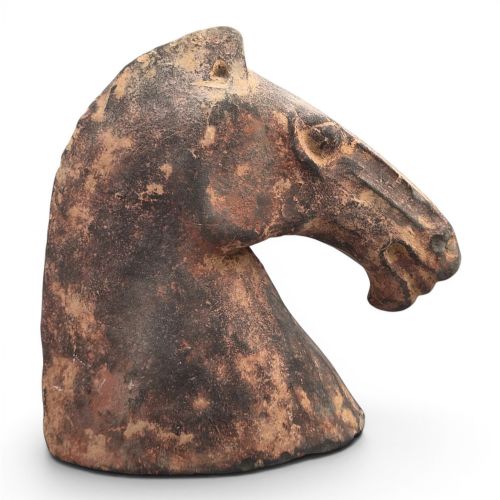
When searching for chinese ceramic figures, collectors encounter an array of objects spanning early earthenware tomb pieces to later porcelain deities and immortals. The most frequent examples met on this page include Qing dynasty figures, glazed pottery animals, and hand-enamelled representations of scholars and laughing Buddhas.
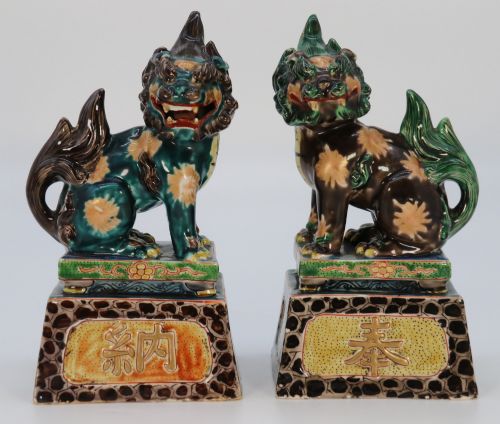
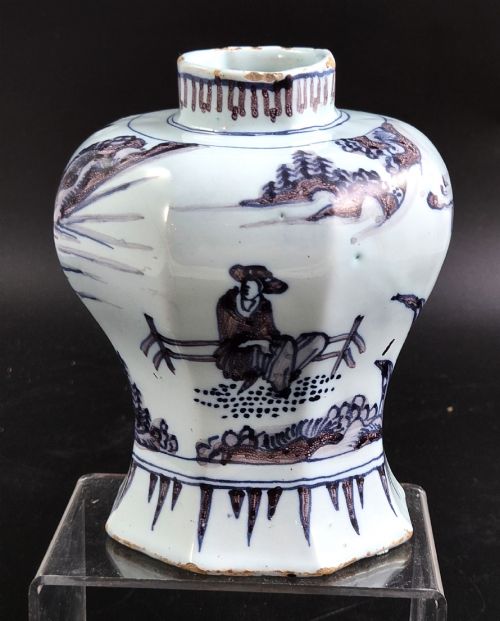
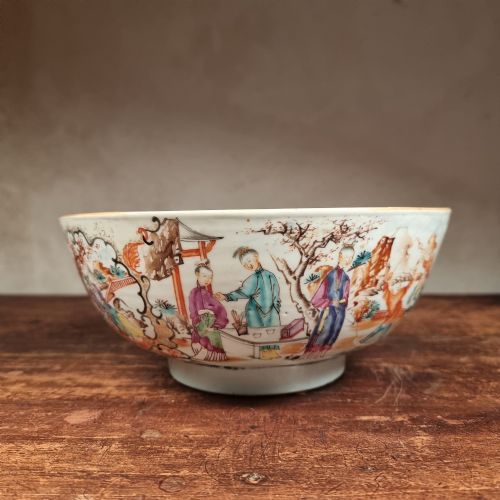
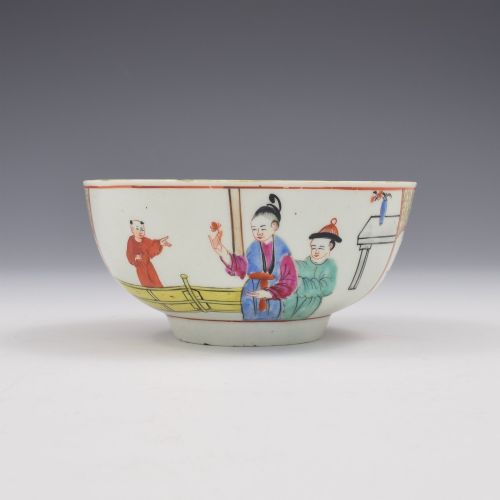
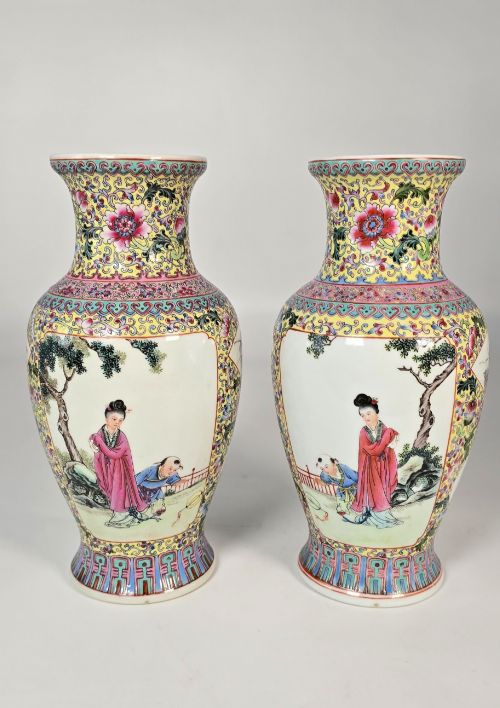
Forms range from small snuff bottles and decorative figurines to large floor-standing pairs of Buddhist lions and court attendants. Makers utilised diverse traditions, replicating Tang dynasty styles or producing utilitarian vessels adorned with mandarin patterns and figural scenes.
How They Were Made
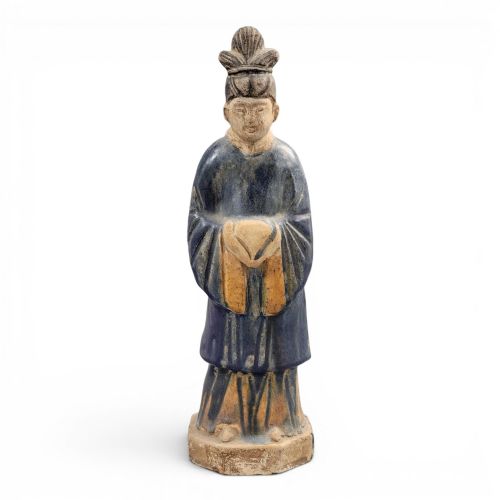
Potters shaped these items from terracotta, earthenware, and soft-paste porcelain, applying lead-based sancai glazes or polychrome enamels to achieve rich surface colour. Artisans modelled figures by hand or pressed clay into moulds before firing them in kilns at varying temperatures.
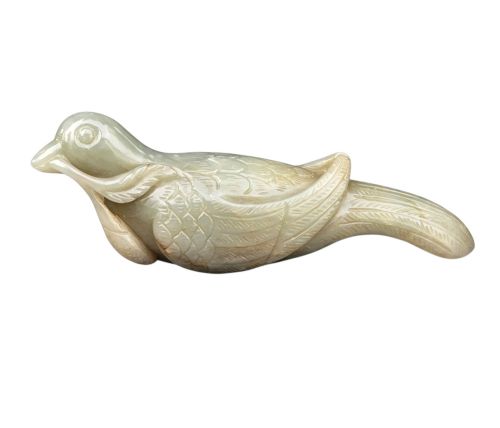
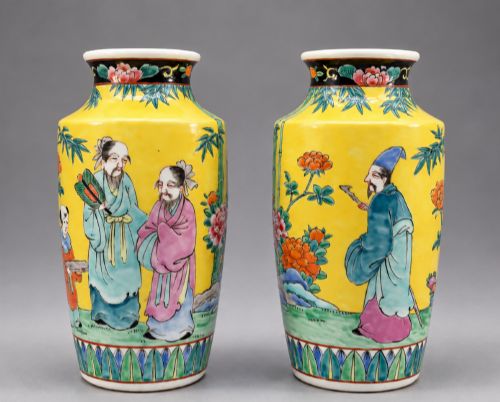
Detailed facial expressions and robes were often painted by hand using cobalt blue, iron red, and famille rose enamels. Certain pieces integrate carved jade or brass elements alongside the ceramic body.
Chinese Ceramic Figures Retail Price Guide 2026
Typical asking prices for chinese ceramic figures among the pieces listed under this phrase on Sellingantiques today, from the lower quarter to the upper quarter. They describe what is for sale here now, not the wider market.
The inventory records pieces from the Tang dynasty style up through the nineteenth and twentieth centuries.
What Varies in Quality
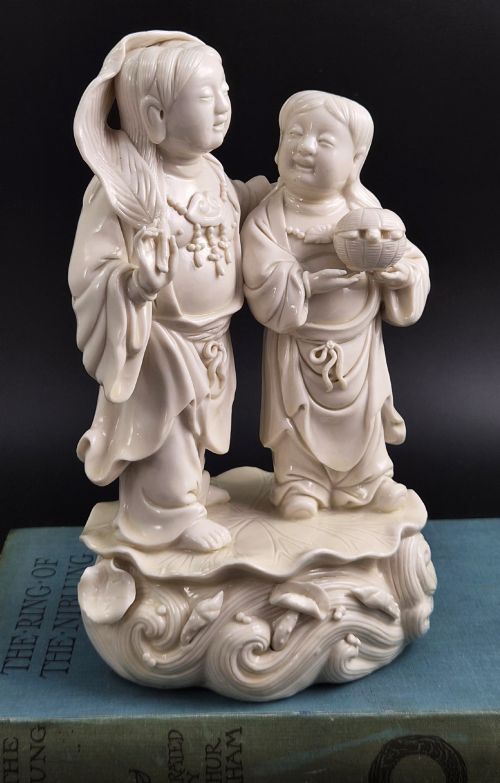
Age and provenance further elevate a piece, particularly when kilns such as Dehua or Shiwan produced works with uniform glaze pooling and precise historical styling.
Edmé Samson·Zhu Mao Ji
The Chinese Ceramic Figures Glossary
- Sancai
- A three-colour glaze technique characteristic of Tang pottery, typically combining amber, green, and cream tones.
- Famille Rose
- A palette of opaque rose-pink enamel introduced in the Qing dynasty, used extensively for painted porcelain figures.
- Blanc-de-Chine
- A pure white porcelain produced at Dehua in Fujian province, valued for its smooth milky glaze and sculptural depth.
- Mingqi
- Spirit objects or funerary pottery placed in tombs to accompany the deceased, often taking the form of horses, dancers, or attendants.
- Shishi
- A traditional guardian lion or Foo dog depicted with paws resting on a ball or a cub.
Chinese Ceramic Figures: Frequently Asked Questions
What periods do these figures come from?
The selection encompasses items ranging from early pre-sixteenth century funerary pottery to nineteenth-century Qing dynasty porcelain and twentieth-century revival pieces.
Potters across different eras drew on established historical styles, such as Tang dynasty horses or Kangxi blue and white decorative motifs.
How do I distinguish tomb figures from later pieces?
Early tomb figures are typically cast in heavy terracotta or grey pottery with minimal glaze, often showing earthen encrustations from burial.
Later Qing and Republican period items utilise refined porcelain or earthenware finished with bright famille rose enamels and glossy monochromatic glazes.
Where were these ceramics manufactured?
Production centred on major kiln complexes across China, notably Jingdezhen for fine porcelain and Dehua for white wares.
Regional kilns such as Shiwan also produced heavy glazed stonewares and figurative sculptures.
How should I display ceramic figures at home?
Larger pairs of guardian lions or vases function effectively on pedestals or sideboards where their scale can be appreciated.
Smaller figures, such as snuff bottles or scholars, suit enclosed cabinets with stable shelving away from direct sunlight.