




Chinese Ceramic Desk Lamp
A chinese ceramic desk lamp brings hand-painted porcelain and rich glazes into a study, offering both warm illumination and decorative presence.
Chinese Ceramic Desk Lamp
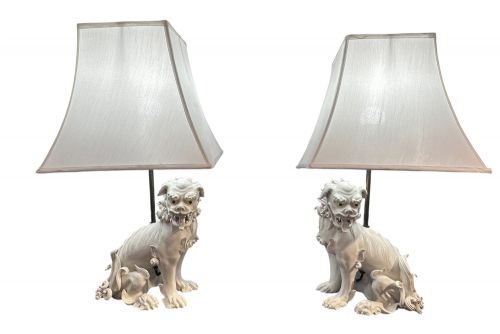
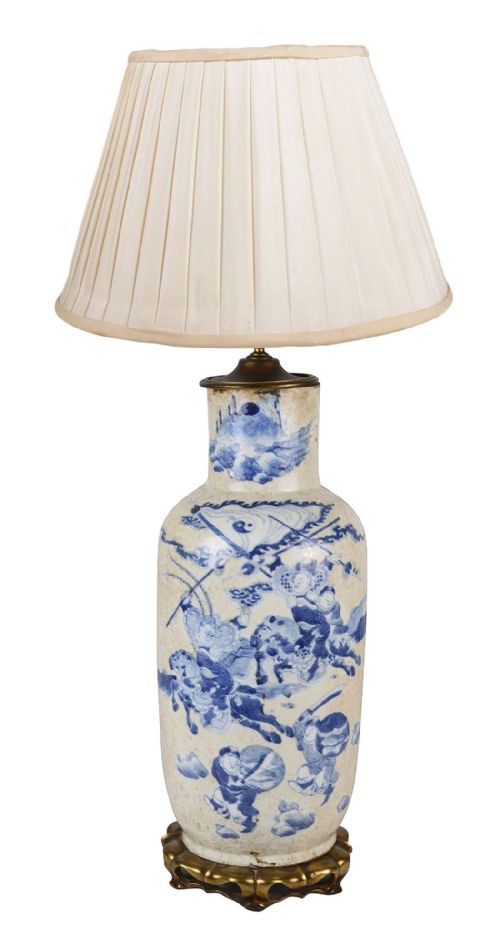
When you search for a chinese ceramic desk lamp, you encounter table lamps fashioned from nineteenth-century and early twentieth-century vessels. These pieces utilise antique vases, ginger jars, and figural sculptures mounted for electrical use.
The most common examples on this page are blue and white vases, famille verte figures, and rose medallion ginger jars adapted into lighting. They bridge the gap between utilitarian desk accessories and decorative works of art.
Origins span nineteenth-century production and early twentieth-century creations, often displaying classic motifs associated with the Qing dynasty and Chinese export markets. Many retain traditional forms such as baluster bodies or crackleware finishes.
Materials and construction
The primary bodies consist of porcelain or ceramic, shaped into vases, jars, and figures before receiving hand-painted glazes in palettes like famille rose, famille verte, and powder blue. Potters utilised specialised kiln techniques to achieve turquoise, celadon, and flambe surfaces.
Mountings frequently incorporate brass, gilt bronze, or gilt metal to secure the ceramic base and support the electrical fittings. Silk and fabric shades often complete the composition, paired occasionally with carved wood components.
Listings feature porcelain, brass, fabric, silk, wood, gilt bronze, metal, and gilt metal.
What separates the grades
Quality rests in the precision of the hand-painting on the porcelain body, where refined brushwork and vibrant enamel application elevate certain vases above simpler trade pieces. The depth and consistency of glazes, from celadon to crackleware, dictate visual appeal.
The integration of metal mounts, whether brass, gilt bronze, or ormolu, plays a significant role in the overall execution. Secure fitting without compromising the underlying ceramic vessel marks superior conversion work.
The Chinese Ceramic Desk Lamp Glossary
- Famille Rose
- A palette of opaque enamel colours dominated by pink, introduced during the Qing dynasty. It allowed artists to render delicate floral and figural scenes with subtle tonal gradations.
- Celadon
- A term for pottery denoting both wares glazed in jade green and the green glaze itself. The colour results from iron oxide in the glaze firing in a reduction atmosphere.
- Ginger Jar
- A wide-shouldered, storage jar form originally used for spices. In lighting, these vessels provide a substantial, rounded body ideal for table lamps.
- Crackleware
- Pottery featuring a network of fine cracks in the glaze, intentionally created during the cooling process. It adds textural depth to blue and white or celadon surfaces.
Chinese Ceramic Desk Lamp: Frequently Asked Questions
Are these lamps converted from old vases?
Many examples utilise genuine nineteenth-century and early twentieth-century Chinese porcelain vases, ginger jars, and figures adapted for modern lighting. The conversion process integrates electrical components while preserving the historic ceramic body.
Such adaptation allows decorative vessels to serve a practical function on a desk or side table without losing their antique character.
How do I identify a famille rose lamp?
Famille rose pieces are distinguished by their opaque pink enamel, which painters used alongside other pastel colours to render floral motifs and figures. This palette developed during the Qing dynasty and appears frequently on nineteenth-century vases.
Examining the surface under a light reveals the distinct brushwork and layered enamel characteristic of this traditional technique.
What periods do these lamps come from?
The pieces span the nineteenth century and the year 1920, reflecting Qing dynasty styles and later export production. You will encounter nineteenth-century blue and white porcelain alongside early twentieth-century figural lamps.
Each period brings distinct glaze colours, such as turquoise, celadon, and powder blue, as well as specific decorative motifs.
How do I style a ceramic lamp on a desk?
A ceramic lamp works well as a focal point on a wooden desk, paired with fabric or silk shades that diffuse light evenly. The balanced proportions of baluster vases or ginger jars provide stability and presence.
Consider the surrounding colours in your room to complement the palette of the glaze, whether it is green famille verte or classic blue and white.