



Chinese Ceramic Bird
A chinese ceramic bird brings the vitality of nature indoors, capturing feathered forms in fired clay across centuries of kiln traditions.
Chinese Ceramic Bird
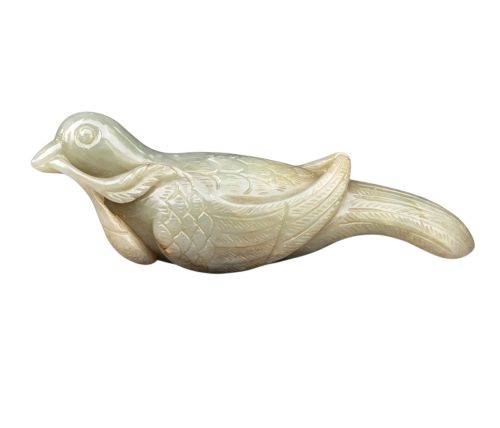
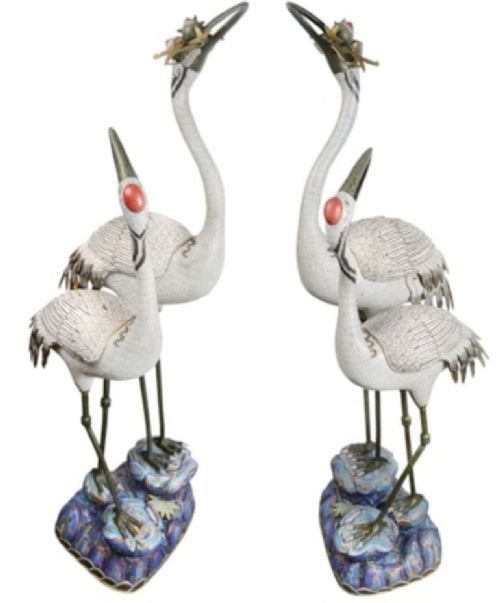
When you search for a chinese ceramic bird, you encounter sculptural figures, lidded jars, and reserve bowls decorated with avian motifs, spanning periods from the sixteenth century through the twentieth. These works range from figures of ducks, cockerels, and parrots modelled in the round to painted representations upon porcelain plates and jars.
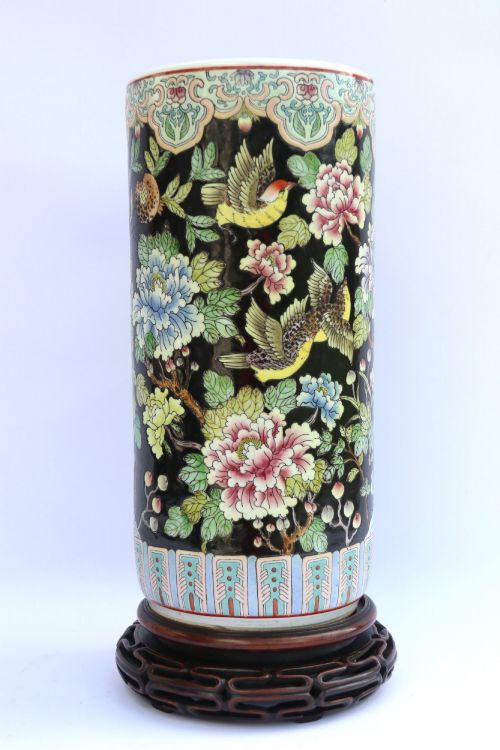
The nineteenth century supplies a notable proportion of the sculptural cockerels, turquoise-glazed fowls, and famille verte parrots currently listed. Alongside these sculptural pieces appear vessels decorated with bird and flower designs, including chocolate-glazed reserve bowls and famille rose jars bearing floral and faunal scenes.
Earlier periods are represented by Ming style sancai-glazed ducks and Wanli period kraak bowls, demonstrating how avian and nature themes persisted across generations of potters. Later works from the early twentieth century continue these decorative traditions through pairs of large vases and polychrome figures.
Materials and technique
The pieces rely primarily on porcelain bodies fired at high temperatures, finished with coloured enamels, famille rose, or famille verte palettes. Artisans applied lead glazes, such as sancai or turquoise formulations, directly to ceramic and porcelain substrates to achieve vibrant surface sheens.
Sculptural forms required careful modelling of feathers and anatomical details before glazing and firing in kilns. Painted vessels utilised underglaze blue and overglaze enamel techniques to render birds and floral sprays with precision.
The listings span from sixteenth-century Wanli period bowls to twentieth-century figures, encompassing porcelain, enamel, and bronze materials.
Assessing quality
Quality rests upon the crispness of the modelling in sculptural figures and the finesse of the brushwork in painted reserve bowls and plates. Superior examples display carefully rendered feather details, balanced proportions, and well-controlled glaze application.
The sophistication of the enamel palette and the harmony of the composition separate standard production pieces from finer imperial-style or mark-bearing works. Preservation of the original enamel colours and the integrity of the ceramic body further distinguish the better examples.
The Chinese Ceramic Bird Glossary
- Famille rose
- A major palette of Chinese porcelain introduced in the eighteenth century, distinguished by opaque pink or purple enamel derived from colloidal gold. This palette allowed for subtle tonal gradations in depictions of birds and flowers.
- Sancai
- A traditional three-colour glaze system, typically comprising green, amber, and creamy white, often used on earthenware and porcelain figures. The glazes run and commingle slightly during the firing process.
- Kraak porcelain
- A type of Chinese export porcelain produced mainly during the Wanli period, characterised by panelled borders and central designs of birds, flowers, or landscapes. The style became immensely popular in Europe.
- Cockerel
- A young male domestic fowl frequently chosen as a subject for ceramic figures due to its proud stance and decorative plumage. Potters utilised turquoise, sancai, and polychrome glazes to highlight these birds.
Chinese Ceramic Bird: Frequently Asked Questions
How were these ceramic birds used?
Sculptural figures served as interior ornaments within scholar's studios and reception rooms, bringing auspicious symbols of nature into the domestic sphere.
Painted vessels decorated with bird motifs functioned as dining wares, display chargers, and storage jars for valuable commodities.
What do birds symbolise in these designs?
Birds in Chinese art frequently carry symbolic meanings related to peace, fidelity, high office, and longevity, often paired with specific flowers like prunus or peony.
Pairs of ducks denote marital happiness and fidelity, while cockerels represent civic virtue and watchfulness.
How do I care for antique porcelain?
Display the pieces away from direct sunlight and areas subject to sudden temperature fluctuations to protect the ceramic body and surface enamels.
Dust gently with a soft, dry brush and avoid using chemical cleaning agents or submerging pieces with unglazed bases.
How are periods distinguished?
Periods are identified through stylistic conventions, glaze characteristics, potting techniques, and any reign marks found on the base of the piece.
Comparison with documented examples from dynasties such as Ming and Qing assists in determining the approximate date of manufacture.