



Qing Dynasty Porcelain Bird
These qing dynasty porcelain bird pieces bring finely painted avian and floral subjects into rooms through centuries of ceramic history.
Qing Dynasty Porcelain Bird
A qing dynasty porcelain bird search brings together figures and vessels adorned with feathered subjects, spanning plates, vases, jars, and standalone animal sculptures. The listings centre on pieces from the nineteenth and eighteenth centuries, reflecting the enduring popularity of natural motifs during this imperial era.
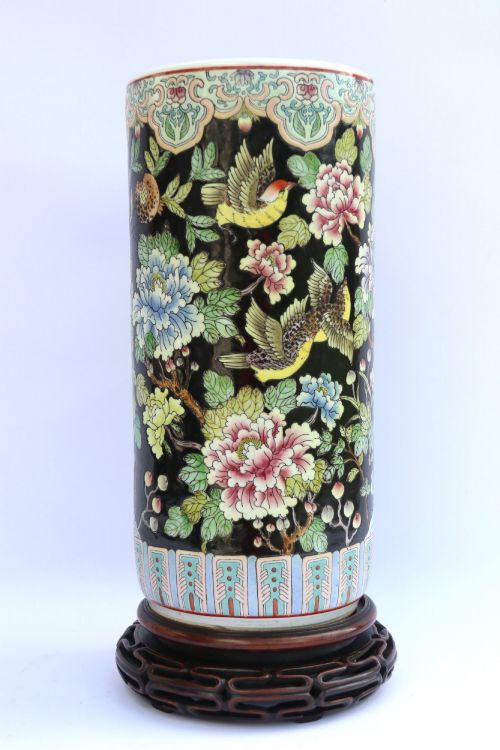
Buyers frequently encounter charming ceramic cockerels, parrots, and pheasants alongside vessels painted with birds and flowering branches. These works demonstrate the period's mastery of polychrome enamels and underglaze pigments upon hard-paste ceramic bodies.
Materials and construction
Artisans formed these objects from white ceramic and porcelain, applying cobalt pigment beneath transparent glazes for blue and white works or adding opaque enamel colours over the glaze for vibrant multi-coloured palettes. Certain figures incorporate turquoise glazes or chocolate-brown ground colours known as Batavia brown.
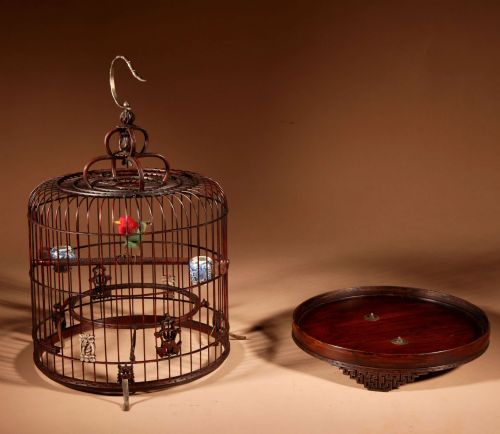
Secondary materials such as carved hardwood stands and bamboo components accompany some items, particularly larger jars and cages. The ceramic bodies received careful hand-painting before high-temperature kiln firing.
A turquoise glazed cockerel stands ready to crow from the nineteenth century.
Assessing quality
Quality rests in the precision of the hand-painting, where finer pieces display intricate feather detailing, expressive bird forms, and harmonious enamel placement across the ceramic surface. The clarity of the glaze and the crispness of moulded details, such as those on figural cockerels or square vases, distinguish superior examples.
The sophistication of the palette and the confidence of the brushwork separate standard decorative wares from more accomplished imperial or export productions. Preservation of the enamel colours and the integrity of the porcelain body further define the upper tier of these works.
The Qing Dynasty Porcelain Bird Glossary
- Famille rose
- A prominent palette of opaque pink and rose enamels introduced during the Qing dynasty, used extensively to render naturalistic bird and floral designs.
- Famille verte
- A predominantly green enamel palette employed on Qing ceramics to depict vibrant foliage, birds, and decorative borders.
- Famille noire
- A ceramic style characterised by a black enamel ground against which brightly coloured birds and floral reserves stand out.
- Underglaze
- Pigments such as cobalt applied to the unfired ceramic body before glazing and firing, creating durable blue designs beneath a glossy surface.
- Reserve
- A panel or shaped section left unpainted or treated differently on a ceramic body to highlight a distinct painted subject like a bird or flower.
Qing Dynasty Porcelain Bird: Frequently Asked Questions
What periods do these pieces date from?
The available selection primarily encompasses the nineteenth and eighteenth centuries, with specific items attributed to reigns such as the Jiaqing and Guangxu periods.
Datings derive from stylistic markers, marked reigns, and period manufacturing techniques recorded in the listings.
How were these porcelain birds used?
Many served as decorative figures placed within rooms, whilst others functioned as plates, chargers, vases, and jars designed for display or holding flowers.
Figurines such as cockerels and parrots acted purely as ornamental sculptures reflecting nature.
What colours appear on these ceramics?
Decorations utilise cobalt blue underglaze alongside polychrome enamel palettes including pink, green, turquoise, and chocolate brown.
These hues combine to depict detailed avian and floral scenes across the glazed ceramic bodies.
Are stands included with the vases?
Certain larger jars and vases are accompanied by original hardwood stands specifically carved to fit the base of the ceramic vessel.
These supports elevate the pieces and complement the dark wood tones found in traditional displays.