
Chinese Carved Wood Tables
Chinese carved wood tables bring historical craftsmanship into modern rooms, offering rich textures and varied forms from low opium tables to nesting sets.
Chinese Carved Wood Tables
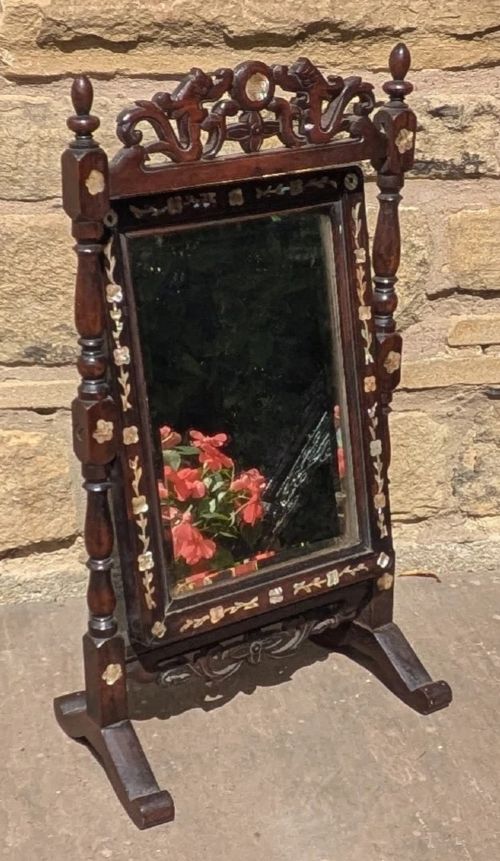
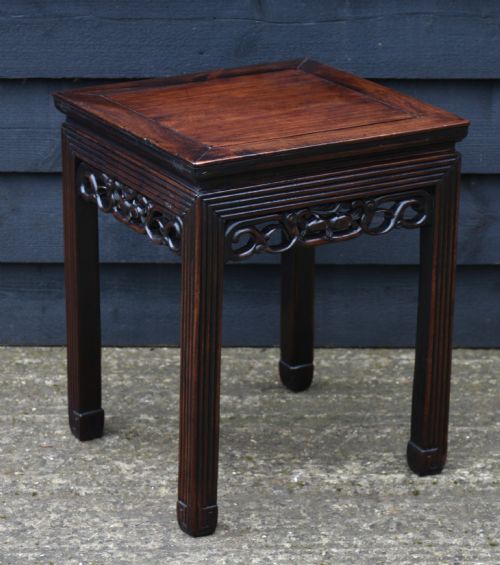
When you search for chinese carved wood tables, you encounter a diverse array of nineteenth and early twentieth-century furniture designed for specific domestic functions.
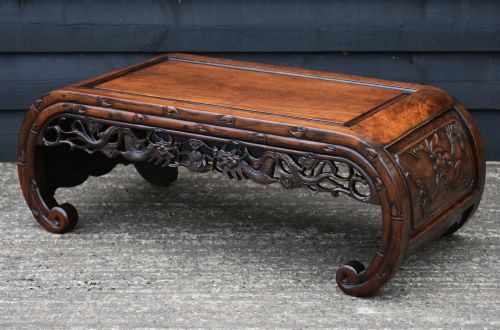
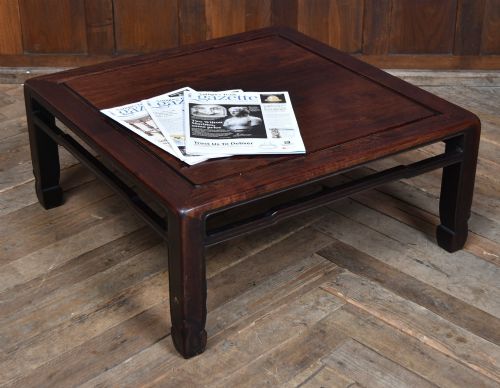
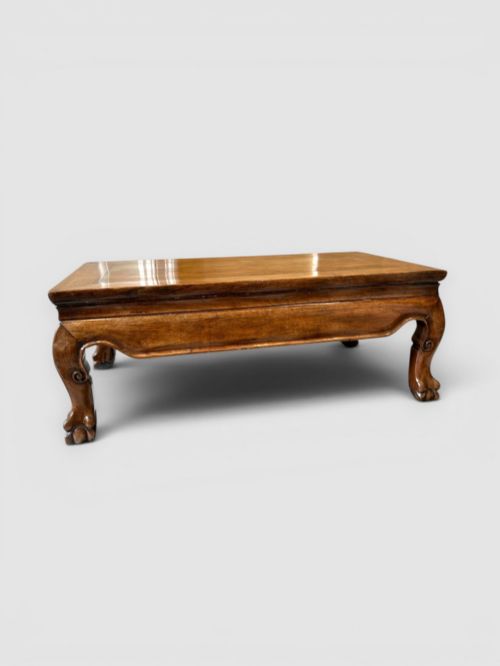
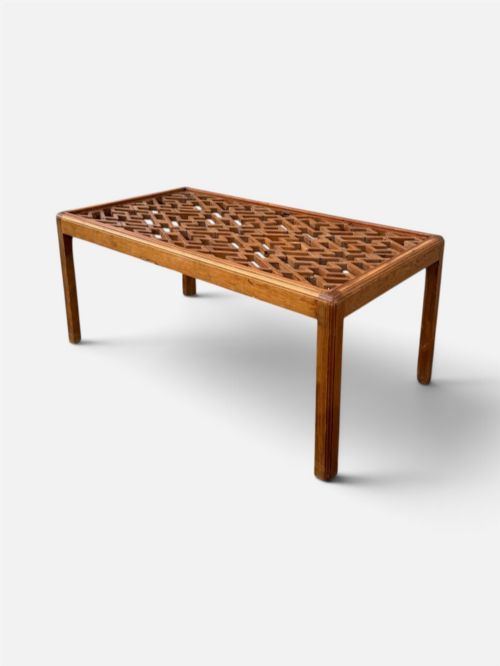
The selections span low coffee tables, plant stands, nests of tables, and altar tables originating from Qing Dynasty traditions and export markets.
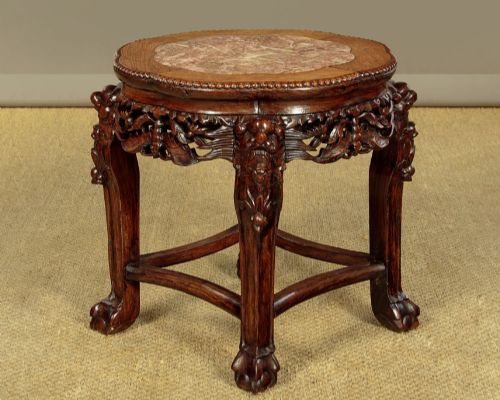
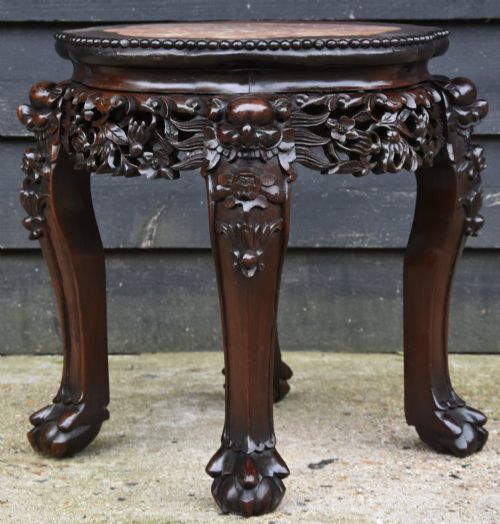
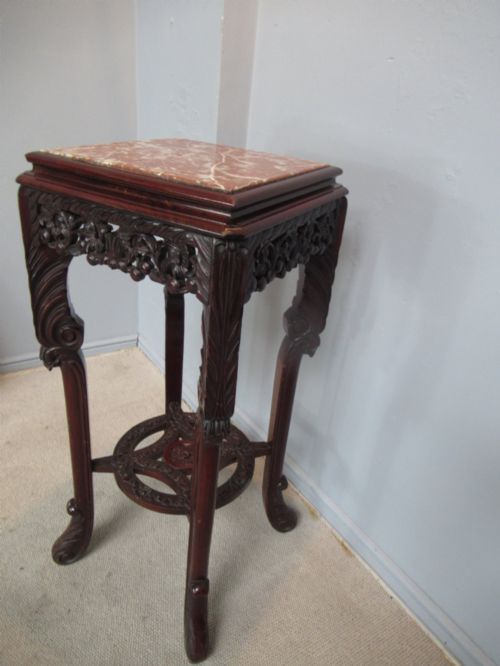
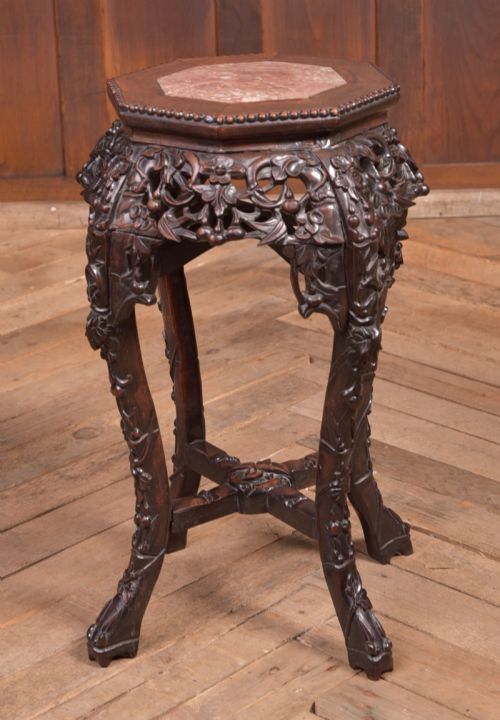
Most pieces met on this page are constructed from dense timbers, frequently incorporating inset marble tops or intricate relief carvings.
How they were made
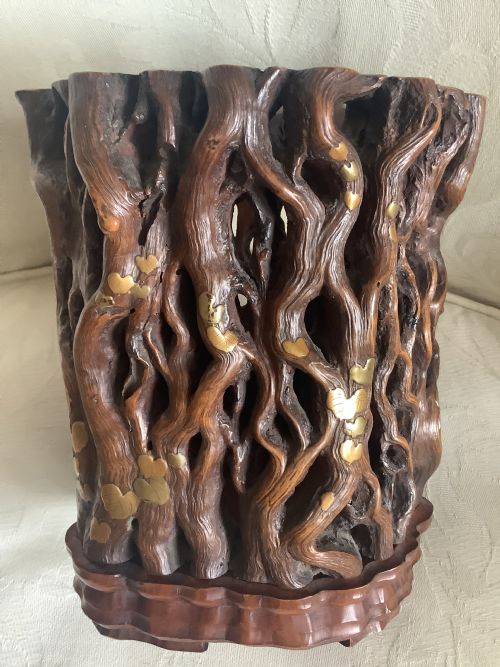
Cabinet makers utilised dense exotic timbers such as rosewood, padouk, and hongmu, valued for their natural strength and deep grain patterns.
Construction techniques relied on precise joinery to accommodate movement in the wood, often pairing carved frames with inset marble or burr wood panels.
Several items include dragons that appear to guard your morning cup of tea.
What varies in quality
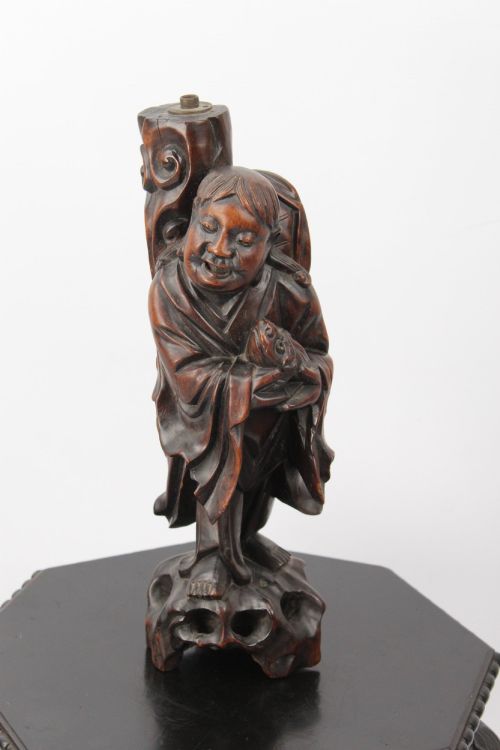
The distinction between standard and superior pieces rests upon the depth and crispness of the hand-carved relief work on the timber frames.
Material selection dictates overall grade, with heavier hongmu, rosewood, and matched marble inserts separating finer examples from simpler elm or mixed-wood variants.
The Chinese Carved Wood Tables Glossary
- Rosewood
- A dense, heavy tropical timber prized for its dark colour and durability in carved furniture. It forms the primary structural material for many nineteenth-century items.
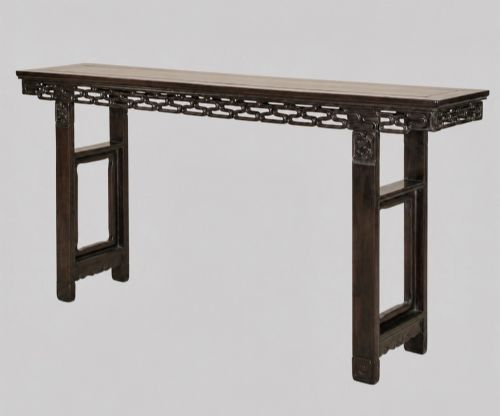
- Altar Table
- A long, narrow table traditionally utilised in domestic or ceremonial settings with upturned flange ends. These pieces feature prominent carved aprons and sturdy legs.
- Quartetto
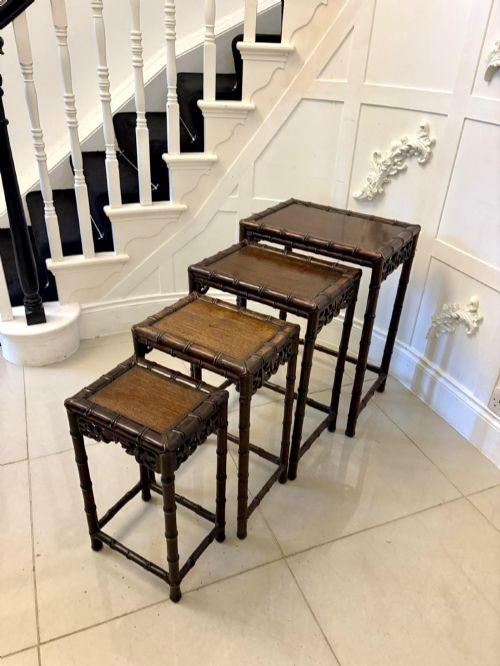
- A set of four graduating tables designed to nest neatly beneath one another. This form appears frequently in late nineteenth-century export furniture.
- Hongmu
- A translation meaning red wood, referring to a category of dense, prestigious Asian hardwoods. Items in this material display rich natural reddish-brown tones.
- Marble Insert
- A polished slab of stone fitted directly into the wooden top of a stand or low table. This feature provided a cool, durable surface for displaying plants or vessels.
Chinese Carved Wood Tables: Frequently Asked Questions
How were opium tables used?
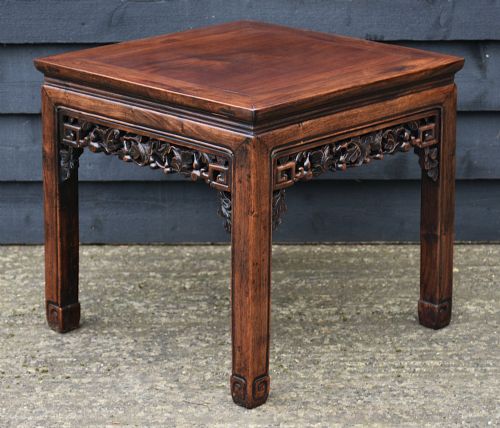
Opium tables served as low domestic furniture pieces positioned for sitting or reclining near floor level during social rituals.
Over time, these low tables transitioned into versatile low coffee tables within Western interior schemes.
What are plant stands used for?
Plant stands and jardiniere stands provided elevated platforms for displaying decorative flora and large ceramic vessels within traditional interiors.
Their compact footprints allowed them to occupy corners and narrow spaces effectively.
How do you identify a nest of tables?
A nest comprises multiple graduated tables designed to slide together into the space occupied by the largest single unit.
Cabinet makers produced these sets in groups of three or four for flexible entertaining.
What is an altar bench?
Altar benches function as long, narrow seating or display platforms originating from domestic architectural contexts.
They display substantial timber construction and detailed edge carvings suited for prominent placement.