





Chinese Carved Nephrite
Chinese carved nephrite pieces are dense, tactile objects that bring centuries of lapidary skill straight to your hands.
Chinese Carved Nephrite
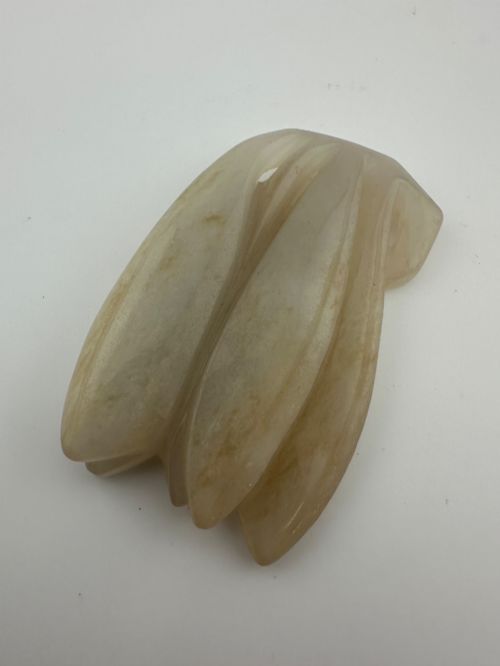
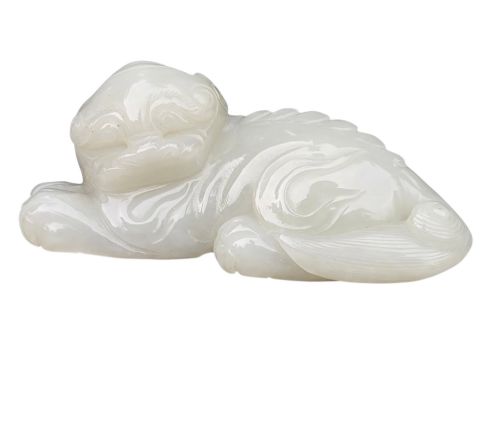
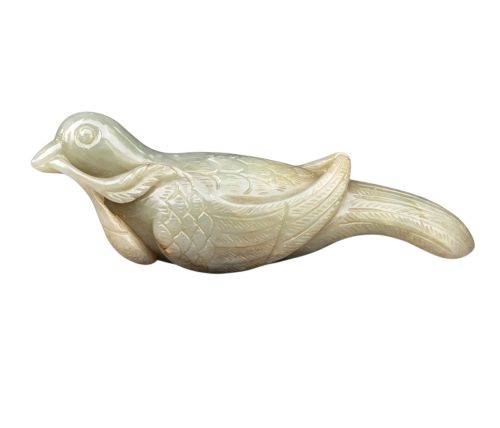
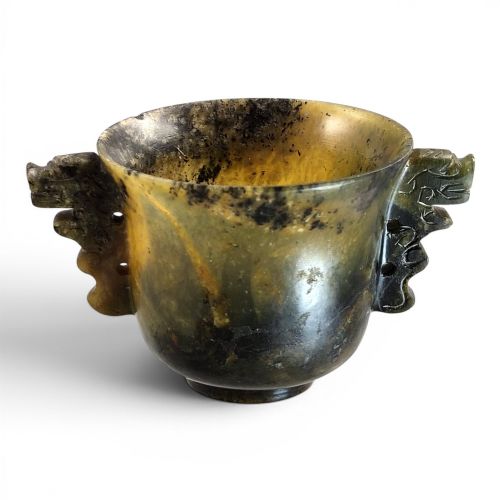
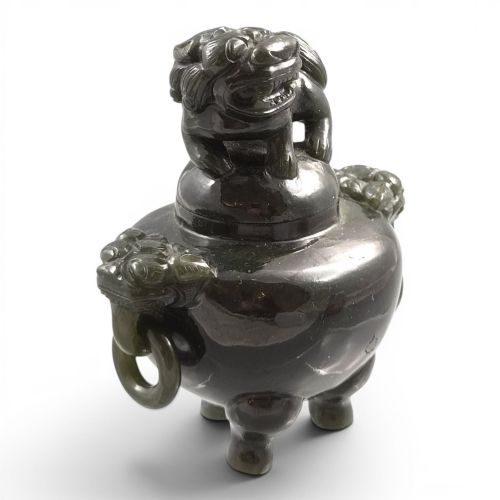
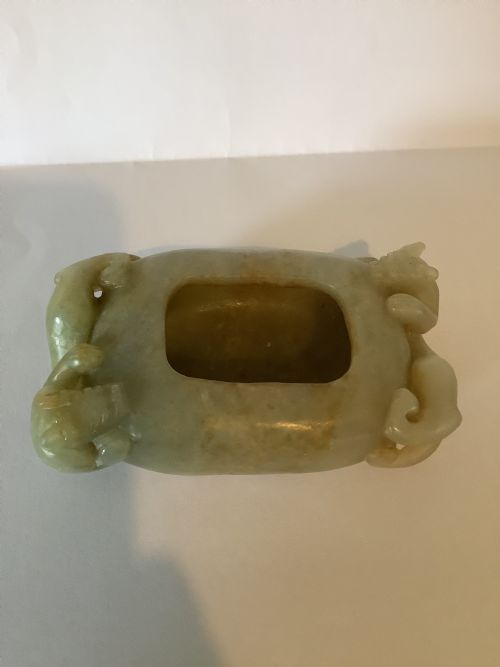
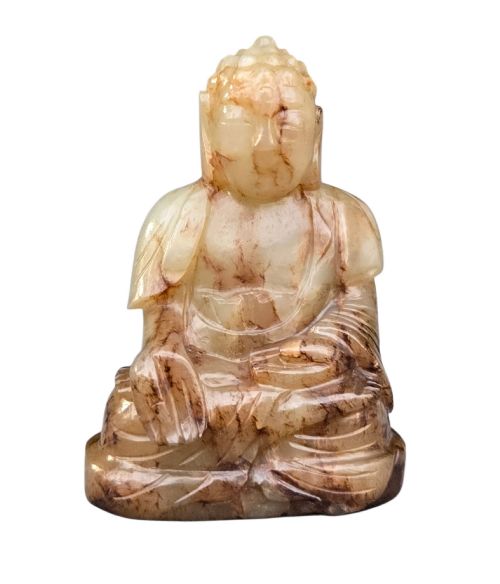
Chinese carved nephrite encompasses a diverse range of functional and decorative forms, from utilitarian scholar's objects like brush washers and water birds to mythical beasts, pendants, and large mountain landscape sculptures. When examining these objects, buyers frequently encounter pieces originating from the 18th century, the 19th century, and the Republic period up to 1930.
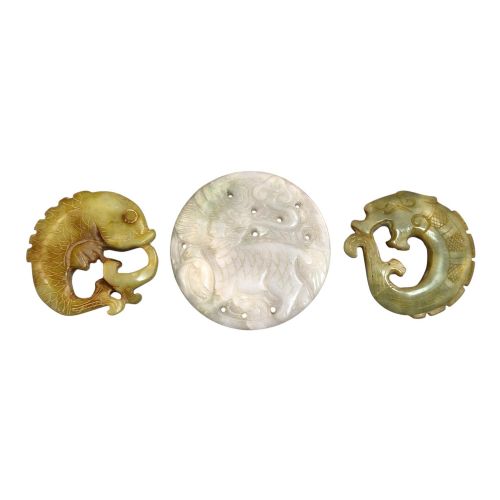
The aesthetic vocabulary draws heavily on traditional motifs, including qilin, chilong dragons, carp, and taotie handles, alongside archaistic designs that reference much older bronzes and jades. Forms range from miniature fish sculptures and amulets to tripod censers and lotus-form cups, reflecting both secular scholarship and spiritual symbolism.
While earlier examples from the Qing dynasty or late Ming transition periods demonstrate imperial ambitions and strict stylistic codes, later Edwardian and 1920s pieces maintain a high level of traditional lapidary skill. The material itself spans variations in natural colour, encompassing pale celadon, white jade, dark green, and russet tones.
Materials and technique
Carving nephrite requires immense patience and abrasive grit, as the stone's interlocking fibrous crystal structure makes it notoriously tough rather than brittle. Artisans utilised rotary tools, saws, and drills with wet abrasives like quartz sand or garnet to shape the dense mineral body.
A tiny boy holding a bird's nest with an egg reminds us that ancient carvers loved domestic whimsy just as much as imperial dragons.
Judging quality
Quality in these carvings rests primarily on the harmony between the natural characteristics of the raw stone and the sensitivity of the lapidary work. Superior pieces display fluid, confident undercut relief where details like hair, scales, and claws remain crisp without appearing stiff or mechanical.
The choice and utilisation of the jade itself define the upper tier of the range, where even tones like pale celadon or pure white are prized alongside skilful management of natural russet inclusions. Successful integration of traditional iconography into the three-dimensional form further separates masterworks from routine workshop output.
The Chinese Carved Nephrite Glossary
- Nephrite
- A compact, amphibole mineral comprising calcium and magnesium silicate that forms the traditional medium for historic Chinese carvings. It differs chemically and structurally from jadeite, possessing a characteristic greasy or waxy lustre.
- Celadon jade
- A subtle shade ranging from pale grey-green to olive, highly valued in traditional Chinese lapidary work for its association with natural tranquillity. This colour variation occurs naturally through iron impurities within the stone.
- Archaistic
- A design approach that deliberately emulates the shapes, patterns, and patination of ancient ritual bronzes or Neolithic jades. Such pieces borrow motifs like taotie masks to connect with historical dynasties.
- Bi disc
- A flat, circular piece of jade with a circular hole in the centre, historically associated with heaven and ritual status. In later decorative objects, these discs are often embellished with carved dragons or qilin.
- Brush washer
- A small vessel designed for rinsing calligraphy brushes, frequently carved from jade in the form of lotus leaves or naturalistic basins. These scholar's objects combine practical utility with refined artistic expression.
Chinese Carved Nephrite: Frequently Asked Questions
How were these carvings used?
Many pieces served specific functions within the scholar's studio, such as brush washers, water pots, and wrist rests used during calligraphy and painting. Others functioned as personal ornaments, belt buckles, or protective amulets worn or displayed in homes.
Larger items, including mountain landscape sculptures and tripod censers, were intended primarily for contemplation, decoration, and the display of refined taste.
How do I care for jade?
Nephrite is physically tough and resists scratching easily, but it benefits from gentle handling and occasional cleaning with warm water and a soft cloth. Avoid harsh chemical cleaners or sudden temperature extremes that might stress the stone.
Storing pieces on custom hardwood stands or in soft-lined boxes protects protruding elements like dragon tails or delicate handles from accidental impact.
How can I tell the period?
Dating relies on stylistic clues, including the depth and technique of the carving, the choice of motifs, and the specific form of the object. For instance, archaistic details and specific vessel shapes often correspond to Qing dynasty or Republic period revivals.
Examining the tool marks, polish, and how the lapidary handled the natural inclusions of the stone also provides vital context for determining an object's age.