


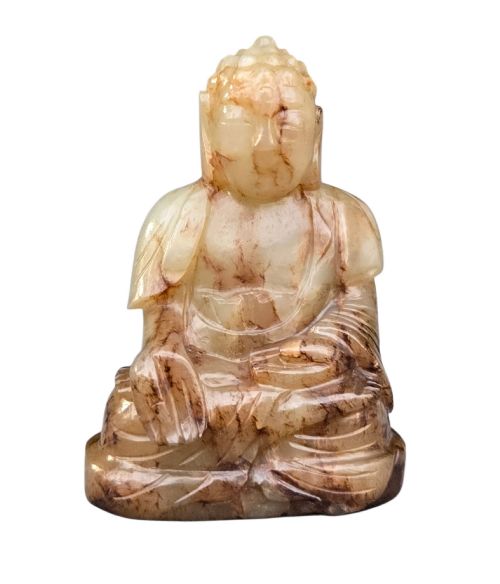


Antique Celadon Sculpture
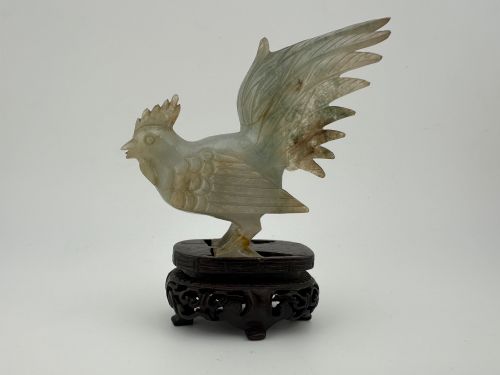
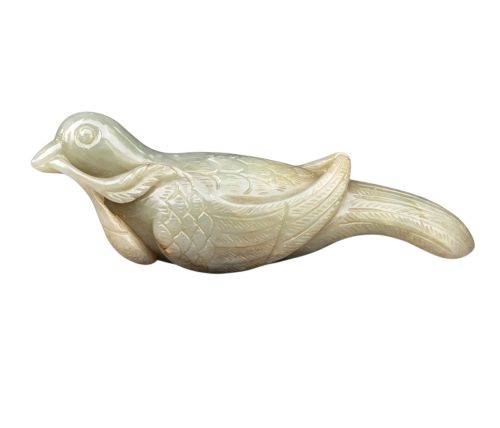
These antique celadon sculpture pieces are carved hardstone ornaments ranging from water birds to mythical beasts, sought after for their mineral depth.
Antique Celadon Sculpture
When you search for antique celadon sculpture, you are looking at carved mineral works spanning the Qing Dynasty and Victorian eras. These items include scholar's objects, figures, and animal groups fashioned from various green-toned stones.
The most common version on this page is the 19th-century Chinese pale celadon carving, often depicting fauna, figures, or ritual motifs. Many sit upon carved hardwood stands that complement the mineral form.
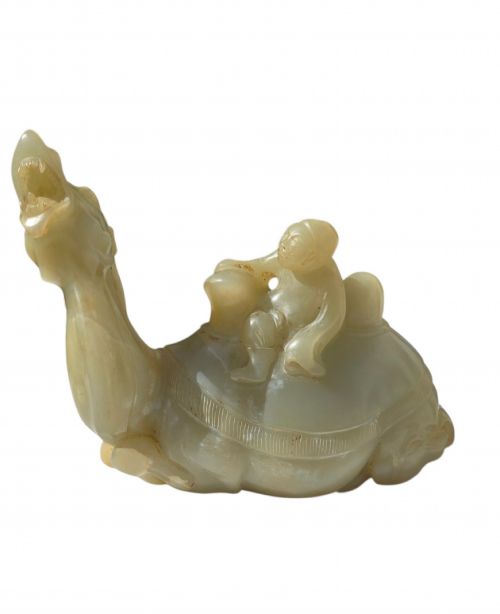
Pieces range from miniature fish sculptures to monumental camel and rider groups or landscape mountains. Each item reflects traditional Chinese carving styles passed down through generations.
How they were made
The materials recorded in these listings are predominantly jade, nephrite, jadeite, bowenite serpentine, and hardstone. Artisans selected these dense minerals for their natural colour variations and tactile qualities.
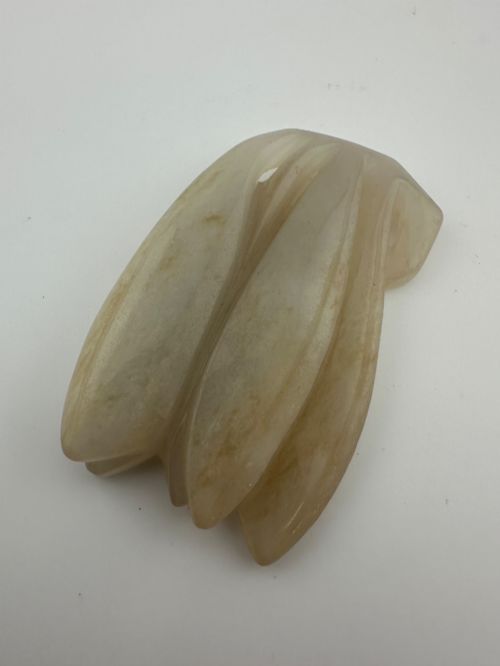
Carving these hard stones required patience and abrasion techniques using sand and water rather than direct striking. The resulting sculptures show meticulous detail in forms such as cicadas, dragons, and lotus cups.
One tiny sculpture captures a small boy holding a bird's nest complete with a delicate egg.
What varies in quality
Quality in these carvings lies in the depth of the stone and the skill of the execution. Superior examples show fluid lines that work with the natural inclusions and russet tones of the mineral.
The precision of the undercut work and the harmony of the composition separate standard decorative items from exceptional scholar's pieces. Integration with fitted hardwood stands also contributes to the overall presence of the sculpture.
The Antique Celadon Sculpture Glossary
- Nephrite
- A compact amphibole mineral used extensively in Chinese carving. It is tougher and more fibrous than jadeite.
- Bowenite
- A serpentine mineral of a hard variety often utilised as a jade substitute in carvings. It displays a translucent apple-green quality.
- Hardstone
- A general term for semi-precious stones harder than ordinary building stone, carved into decorative objects. These include jade, serpentine, and quartz varieties.
- Qing Dynasty
- The last imperial dynasty of China, lasting from the mid-17th to the early 20th century. Much of the carved hardstone output originates from this prolonged era.
Antique Celadon Sculpture: Frequently Asked Questions
How were these sculptures displayed?
Many carvings were created for the scholar's desk, functioning as brush washers, water pots, or contemplative objects.
Larger landscape pieces and figural groups frequently rested on custom-carved hardwood stands.
How do I identify a Qing Dynasty piece?
Identification relies on stylistic motifs, carving depth, and the specific characteristics of the mineral used.
Qing pieces often combine traditional iconography such as dragons, lotus motifs, or figures with intricate undercut details.
What is the difference between jade and bowenite?
Jade encompasses amphibole minerals like nephrite and pyroxene minerals like jadeite, known for extreme toughness.
Bowenite is a serpentine variety that mimics jade's appearance and hardness but possesses a distinct fibrous structure.