




Chinese Brass Vessels
Chinese brass vessels combine weight and utility, offering collectors enduring forms like censers, vases, and jardinières forged in historic workshops.
Chinese Brass Vessels
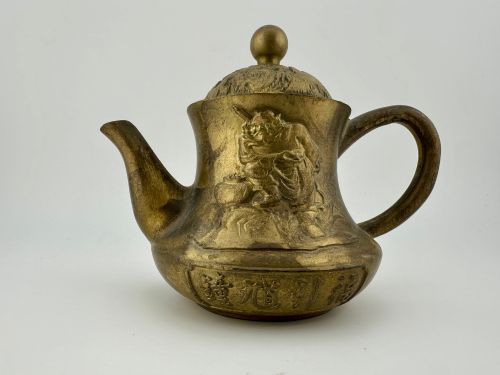
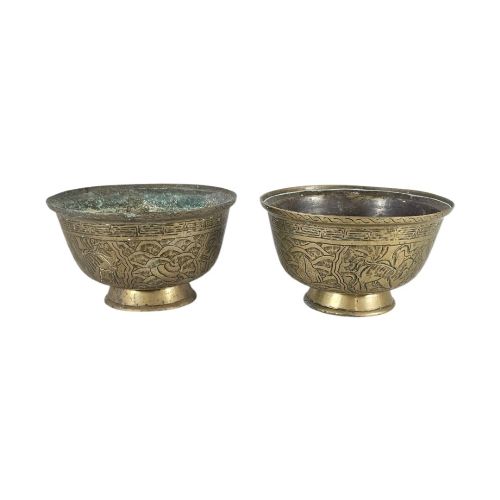
These items encompass domestic and ritual forms such as censers, vases, jardinières, and teapots originating from periods including the Qing Dynasty and the nineteenth and early twentieth centuries.
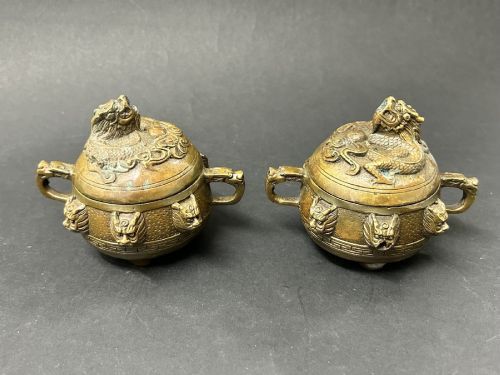
The buyer meets heavy cast metal containers, often featuring tripod feet, lion mask handles, or detailed surface decoration associated with scholar's studio items.
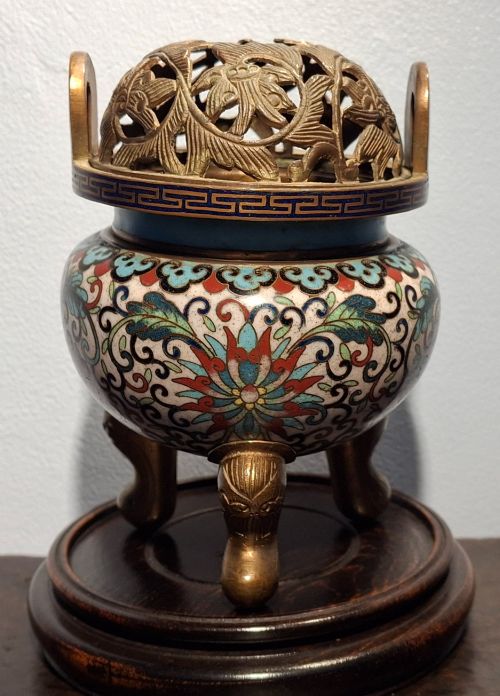
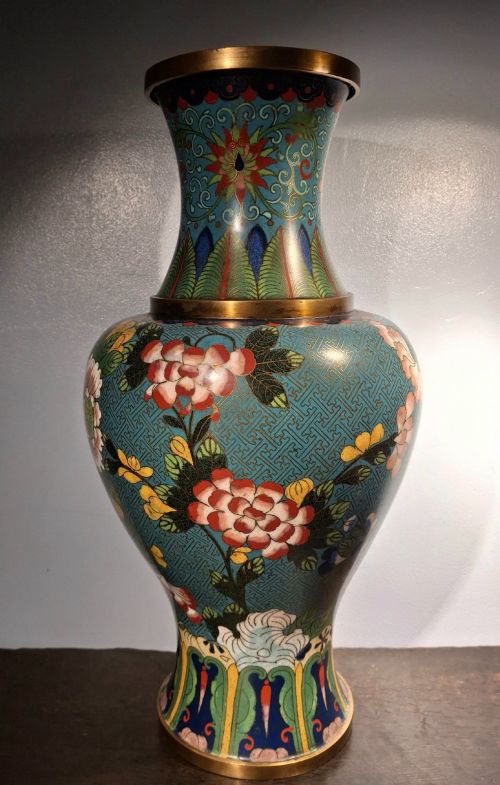
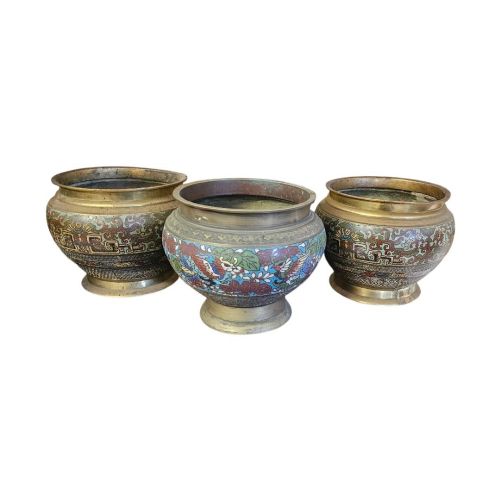
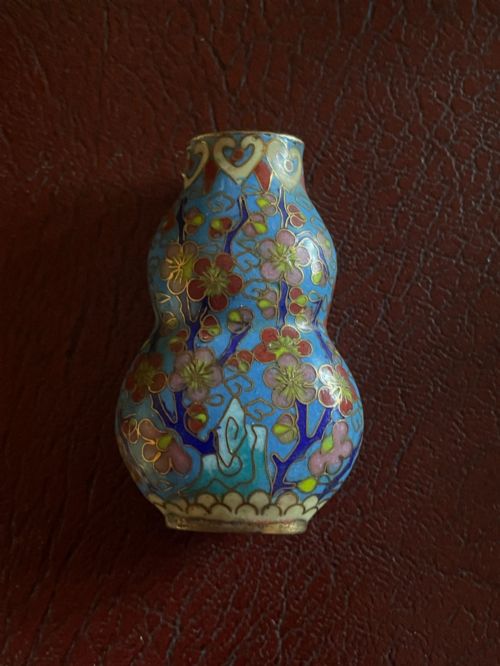
Many examples blend brass and bronze alloy construction with decorative accents like enamel, cloisonné, or hardstone inlay.
How they were made
Metalworking techniques rely on traditional casting methods using copper alloys, producing substantial weights in forms like baluster vases and heavy bowls.
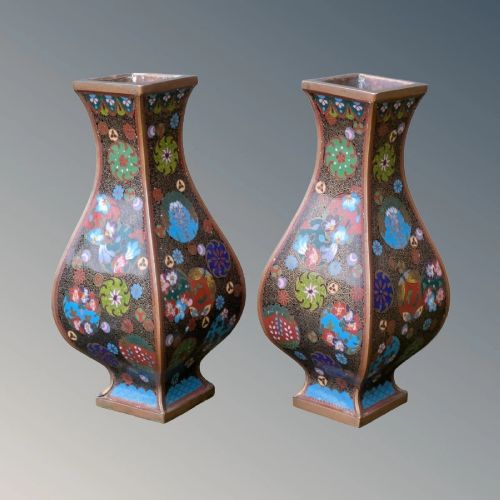
Surface ornamentation integrates champlevé and cloisonné enamel work, alongside high-relief chasing and applied gilding or patination.
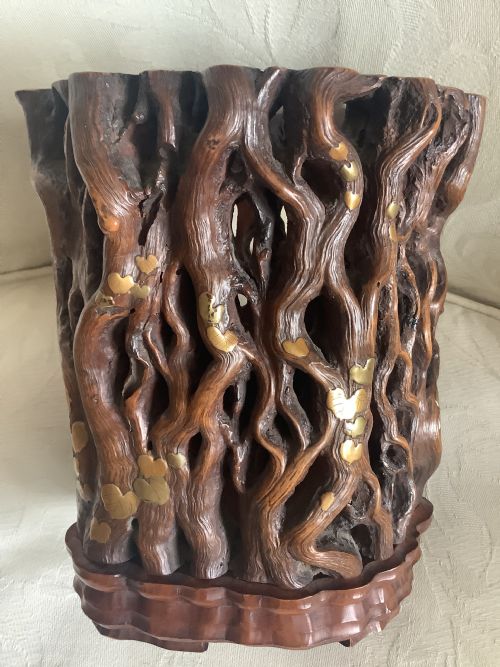
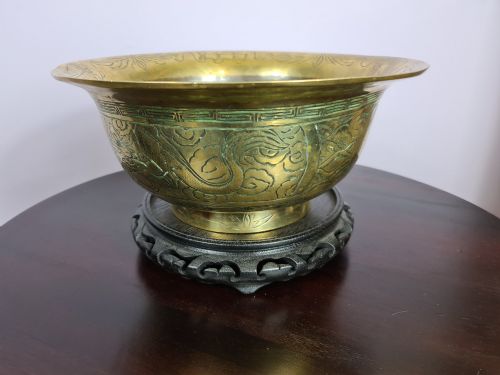
Makers occasionally combined the metal chassis with carved hardwood stands or lids to complete the decorative composition.
Chinese Brass Vessels Retail Price Guide 2026
Typical asking prices for chinese brass vessels among the pieces listed under this phrase on Sellingantiques today, from the lower quarter to the upper quarter. They describe what is for sale here now, not the wider market.
Listings feature brass, bronze, and copper-alloy vessels alongside enamel and hardwood elements across the eighteenth, nineteenth, and early twentieth centuries.
What varies in quality
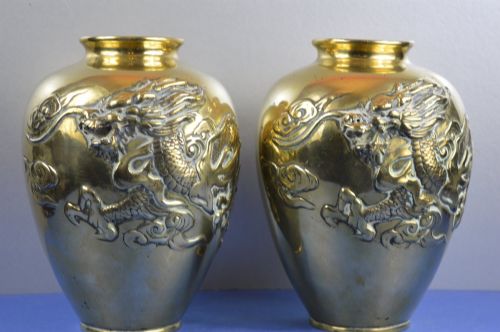
The distinction between tiers rests upon the crispness of the casting detail, particularly around handles, feet, and relief motifs such as dragons or immortals.
Complexity of surface decoration separates standard utilitarian containers from finer pieces bearing intricate enamel work or reign and maker marks.
Substantial physical weight and the integrity of the metal alloy indicate superior craftsmanship in the heavier censers and jardinières.
Wu Bangzuo·Xuande Mark·Ya Tang Qing Wan
The Chinese Brass Vessels Glossary
- Censer
- A vessel designed for burning incense, frequently supported on three tripod feet with fitted covers and decorative handles.
- Cloisonné
- An enamelwork technique where thin metal wire creates cells on the surface, which are then filled with coloured paste and fired.
- Jardinière
- A large decorative pot or stand intended for holding plants or floral arrangements.
- Xuande Mark
- An identifying seal referencing the Xuande Emperor, often applied to later pieces in tribute to historical imperial bronze production.
- Champlevé
- A technique where troughs or cells are carved directly into the metal body to receive enamel before firing.
Chinese Brass Vessels: Frequently Asked Questions
How are chinese brass vessels cleaned?
Dusting with a dry soft cloth preserves the natural aged patina of the metal. Avoid abrasive polishes that strip historical surface character.
Water and harsh chemical cleaners can damage inlaid enamel or soft bronze alloys, so gentle maintenance is essential.
What were incense burners used for?
Incense burners held aromatic materials during domestic relaxation, scholarly contemplation, or formal ritual ceremonies. The pierced covers allowed fragrant smoke to disperse evenly.
Many examples remained on scholar's desks as decorative objects of contemplation rather than functional items.
How can I date a brass vessel?
Dating relies on stylistic clues, casting weight, and traditional reign or studio marks stamped onto the base. Comparing the metal patina and decorative motifs helps narrow the era.
Pieces from the Qing Dynasty often exhibit distinct archaistic styling or detailed relief work characteristic of nineteenth-century production.
Where do I place a jardiniere?
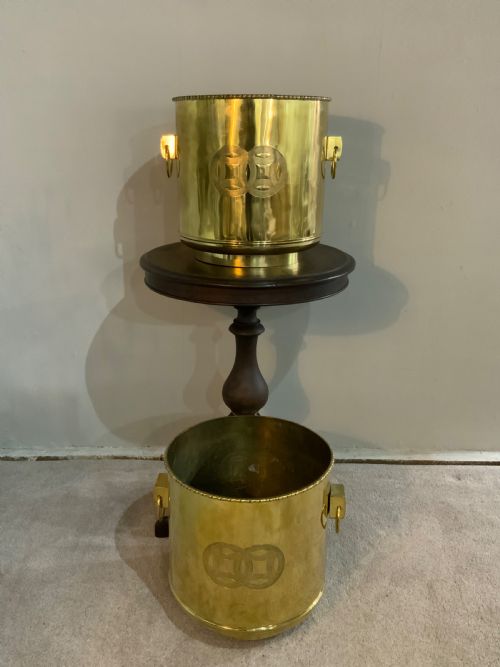
Large jardinières and planter bowls suit heavy wooden tables, sideboards, or floor stands where their substantial weight is supported. They function well with large foliage or left empty as sculptural items.
Ensure the surface is protected from any moisture if used to house live potted plants.